Madhya Pradesh Court Tests the Integrity of an MLA’s Candidacy
The Madhya Pradesh High Court issued notice on a plea challenging the election of the Datia MLA over alleged incomplete disclosure of criminal antecedents. The case places electoral law, judicial review and the constitutional demand that officeholders disclose disqualifying conduct against one another.
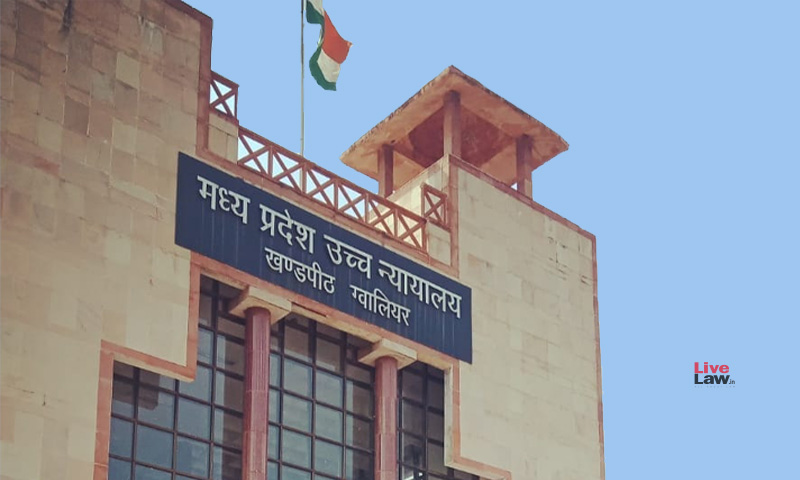
The Madhya Pradesh High Court has issued notice on a plea seeking to challenge the election of the Datia MLA, alleging that the returned candidate failed to disclose criminal antecedents in full. Although the notice does not resolve the allegations, it moves a serious constitutional question into formal judicial consideration. The central issue is whether a material omission in an election affidavit can undermine the legitimacy of the returned candidate and the authority of the assembly.
The case reflects the institutional friction between political representation and the legal rules designed to keep candidates honest. Criminal antecedents are not merely private history; where disclosure is legally required, the information can affect public judgment about suitability for office. A challenge based on incomplete disclosure therefore reaches beyond the defeat of one candidate to the integrity of the electoral process. Courts must assess the petition without allowing unverified claims to become judicial findings, while still demanding a response to the specific omission alleged.
The immediate casualty may be the stability of the assembly if the election is disturbed, and the MLA faces the prospect of a contested mandate. More broadly, the petition could sharpen the enforcement of affidavit rules and clarify how courts should treat omissions discovered after an election. The outcome will determine whether disclosure remains a formal administrative burden or a meaningful condition of public trust. For voters in Datia, the consequence is direct: the chamber's democratic legitimacy rests on whether the legal framework can distinguish a minor paperwork error from a material failure to reveal disqualifying conduct.
Comments 0