Madhya Pradesh High Court Dismisses Habeas Corpus Petitions from CEC Protest Detainees
The high court has disposed of petitions filed by individuals detained during a recent civil‑society protest against the Chief Election Commissioner, ordering their release to families. The judgment underscores the judiciary’s stance on the limits of police authority in mass‑detention scenarios. The decision may reshape how future demonstrations are policed across the nation.
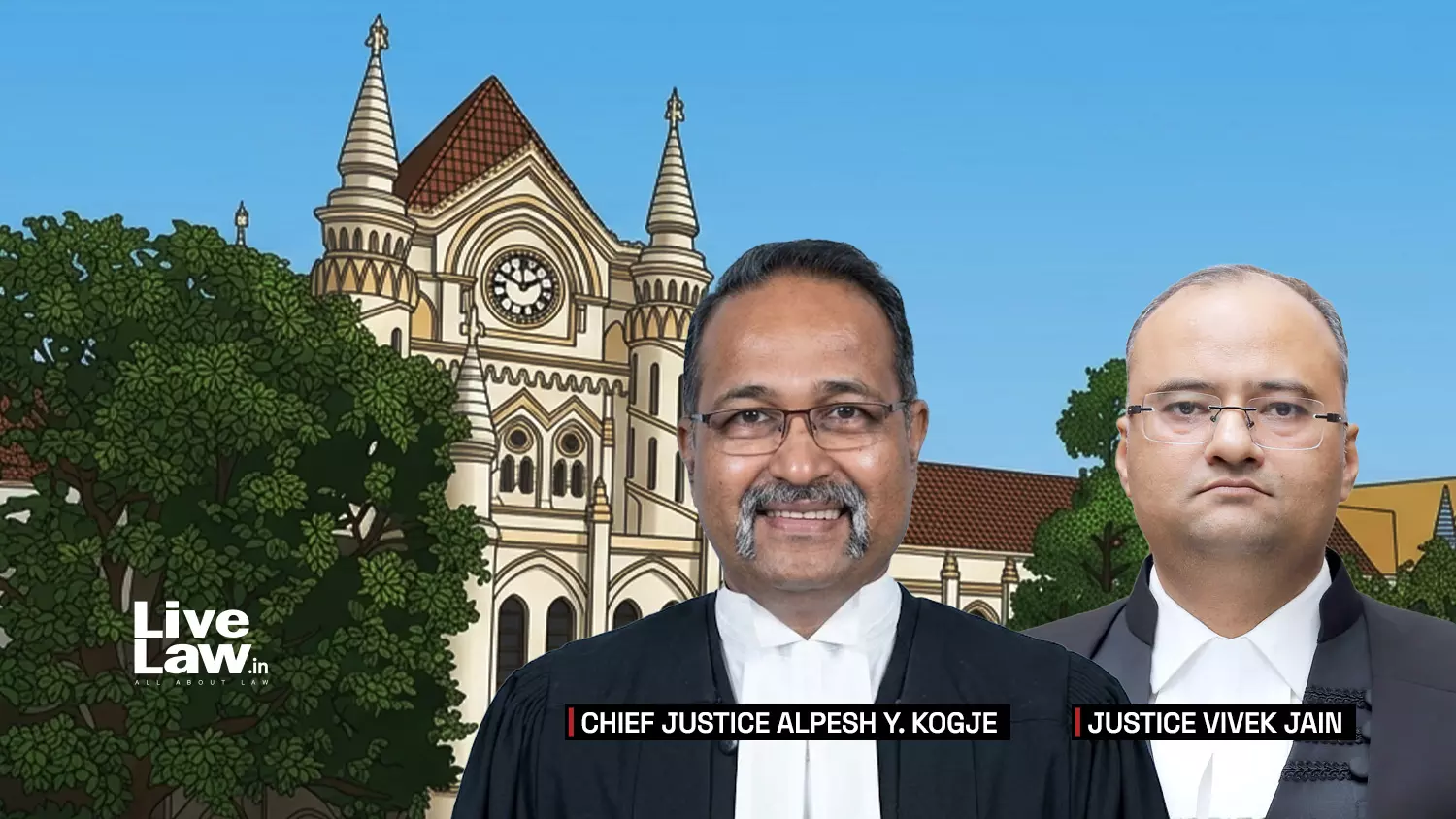
In a landmark ruling, the Madhya Pradesh High Court examined a series of habeas corpus petitions submitted by activists and ordinary citizens who were taken into custody during a large‑scale demonstration demanding reforms in the election commission’s functioning. The court found that the detentions, which were carried out without clear legal justification, violated constitutional safeguards of personal liberty. Consequently, the bench ordered the immediate release of the detainees to their families and directed the police to furnish a detailed account of the circumstances that led to the arrests, emphasizing the need for procedural propriety.
The judgment arrives at a time when India’s democratic institutions are grappling with heightened public scrutiny and an increasingly vocal civil‑society. Law‑enforcement agencies have, in recent months, faced criticism for employing broad powers to curb dissent, often invoking public‑order concerns. By rejecting the blanket use of detention as a crowd‑control tool, the high court has signalled a willingness to curtail executive overreach, thereby reinforcing the judiciary’s role as a check on state authority. Legal scholars anticipate that the ruling will prompt police departments to revise standard operating procedures, ensuring that any future arrests are backed by concrete evidence and are proportionate to the alleged offence.
The immediate impact of the decision is evident in the relief experienced by the families of those released, many of whom had endured weeks of uncertainty and financial strain. In the longer term, the precedent may deter authorities from resorting to mass detentions during protests, encouraging the adoption of alternative methods such as dialogue and targeted enforcement. Civil‑rights organisations have welcomed the outcome, viewing it as a step toward safeguarding democratic participation, while political parties are likely to cite the ruling in debates over law‑and‑order policies ahead of upcoming elections.
Comments 0