Madras High Court Orders Passport Clearance for Perarivalan
The Madras High Court directed passport authorities to process the application of the Rajiv Gandhi assassination convict, Perarivalan, without further delay. The order removes a long‑standing bureaucratic hurdle for the former militant seeking international travel.
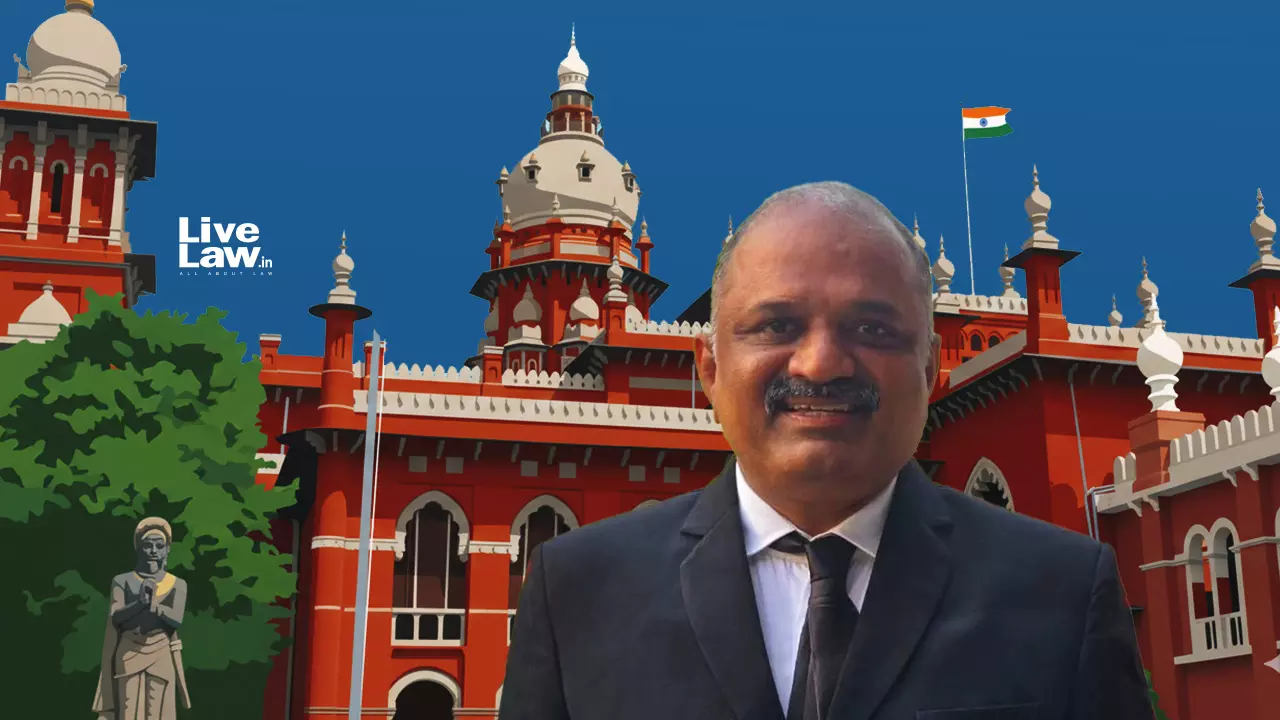
In a landmark ruling, the Madras High Court instructed the regional passport office to advance the application of Perarivalan, a former member of the Liberation Tigers who was convicted in the 1991 assassination of former Prime Minister Rajiv Gandhi. The court noted that the applicant had fulfilled all legal requirements for a passport, and that any lingering administrative resistance lacked statutory basis. By mandating prompt processing, the bench affirmed the principle that even individuals with controversial pasts retain fundamental civic rights once legal penalties have been served.
The decision arrives amid a broader national conversation about the reintegration of former militants and the balance between security concerns and civil liberties. Over the past decade, several high courts have examined cases involving individuals released under various amnesty schemes, weighing public sentiment against constitutional guarantees. The Madras High Court's order underscores a judicial willingness to prioritize procedural fairness over lingering political sensitivities, signaling a potential shift in how similar cases may be handled in the future.
The immediate effect is the removal of a bureaucratic barrier that had prevented Perarivalan from traveling abroad, a restriction that had drawn criticism from human‑rights advocates. In the longer term, the ruling may influence passport authorities to adopt more transparent criteria when evaluating applications from individuals with criminal histories, fostering a more predictable administrative process. It also serves as a reference point for other petitioners seeking relief from analogous constraints.
Comments 0