Maharashtra CM Blocks Flight Diversion to Navi Mumbai
Maharashtra Chief Minister Devendra Fadnavis has firmly rejected any proposal to shift existing flights from Mumbai's Chhatrapati Shivaji Maharaj International Airport to the new Navi Mumbai airport. This decision protects the economic interests of the current aviation hub while raising questions about the viability and funding of the new infrastructure project.
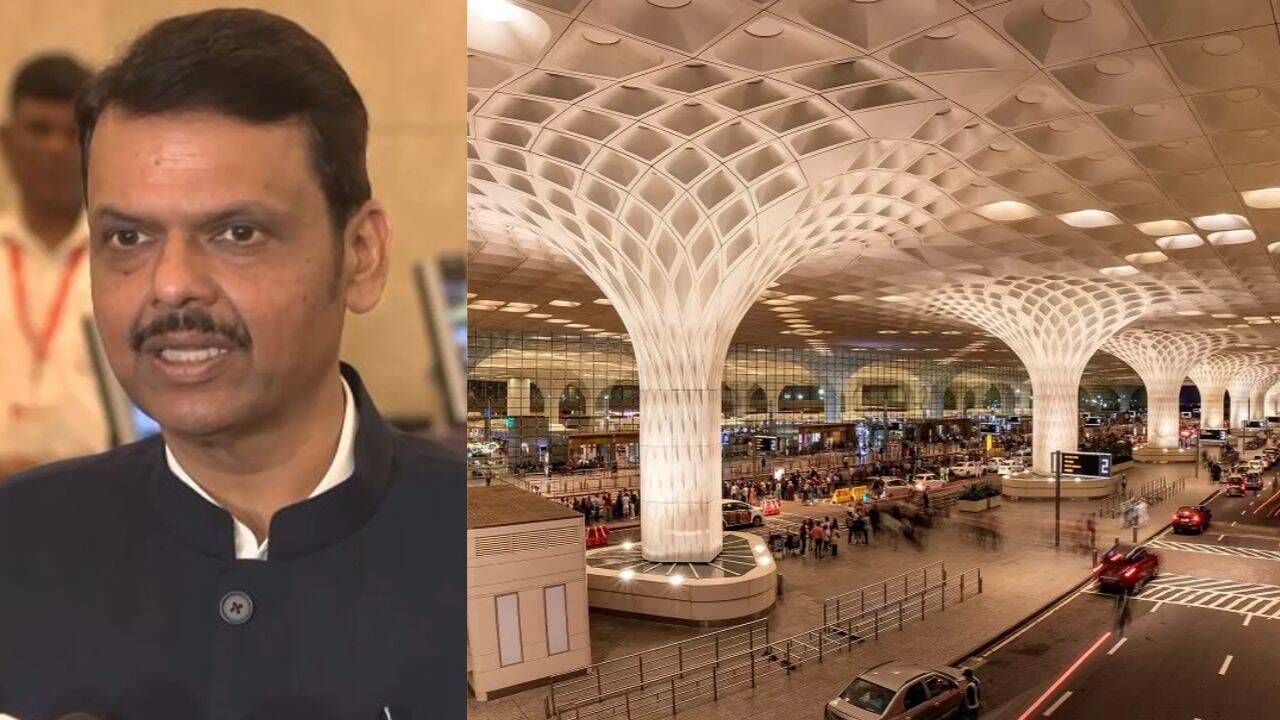
The Chief Minister of Maharashtra has put an end to speculation that the state government would force a transfer of air traffic from Mumbai to the newly constructed Navi Mumbai airport. Fadnavis's statement is a clear signal that the state intends to maintain the status quo, where Mumbai remains the primary gateway for international and domestic flights. This decision is driven by the economic reality that Mumbai's airport is a major source of revenue and employment for the city, and that shifting flights would disrupt established business networks. The move also reflects a political calculation, as the airport is a symbol of Mumbai's global status, and any perceived diminishment of its role would be politically damaging.
The underlying tension is between the need to alleviate congestion at Mumbai's airport and the desire to maximize the return on investment for the new Navi Mumbai facility. The Navi Mumbai airport was built with the expectation that it would eventually handle a significant portion of the traffic, but the lack of a clear transition plan has left it underutilized. The state government's refusal to shift flights suggests that they are prioritizing the short-term economic benefits of Mumbai over the long-term strategic goal of creating a dual-airport system. This friction is compounded by the fact that the Navi Mumbai airport was built with significant central government funding, and the state is now reluctant to bear the costs of a transition that may not yield immediate returns.
The downstream impact of this decision is a continued strain on Mumbai's airport infrastructure, which is already operating at or above capacity. This will likely lead to increased delays, higher costs for airlines, and a poorer experience for passengers. The Navi Mumbai airport, meanwhile, will struggle to attract traffic without a government mandate, potentially leading to a financial loss for the operators. The tangible outcome is a missed opportunity to create a more efficient aviation network in the region, and a continued reliance on an aging infrastructure that is ill-suited to handle the growing demand for air travel.
Comments 0