Maharashtra CM Fadnavis Directs Ministers to Spend Diwali with Farmers
Chief Minister Devendra Fadnavis has instructed state ministers to spend the Diwali festival with farmers, a move aimed at addressing agrarian distress and reinforcing the government’s commitment to the agricultural sector. This directive highlights the political sensitivity of the farming community in the state.
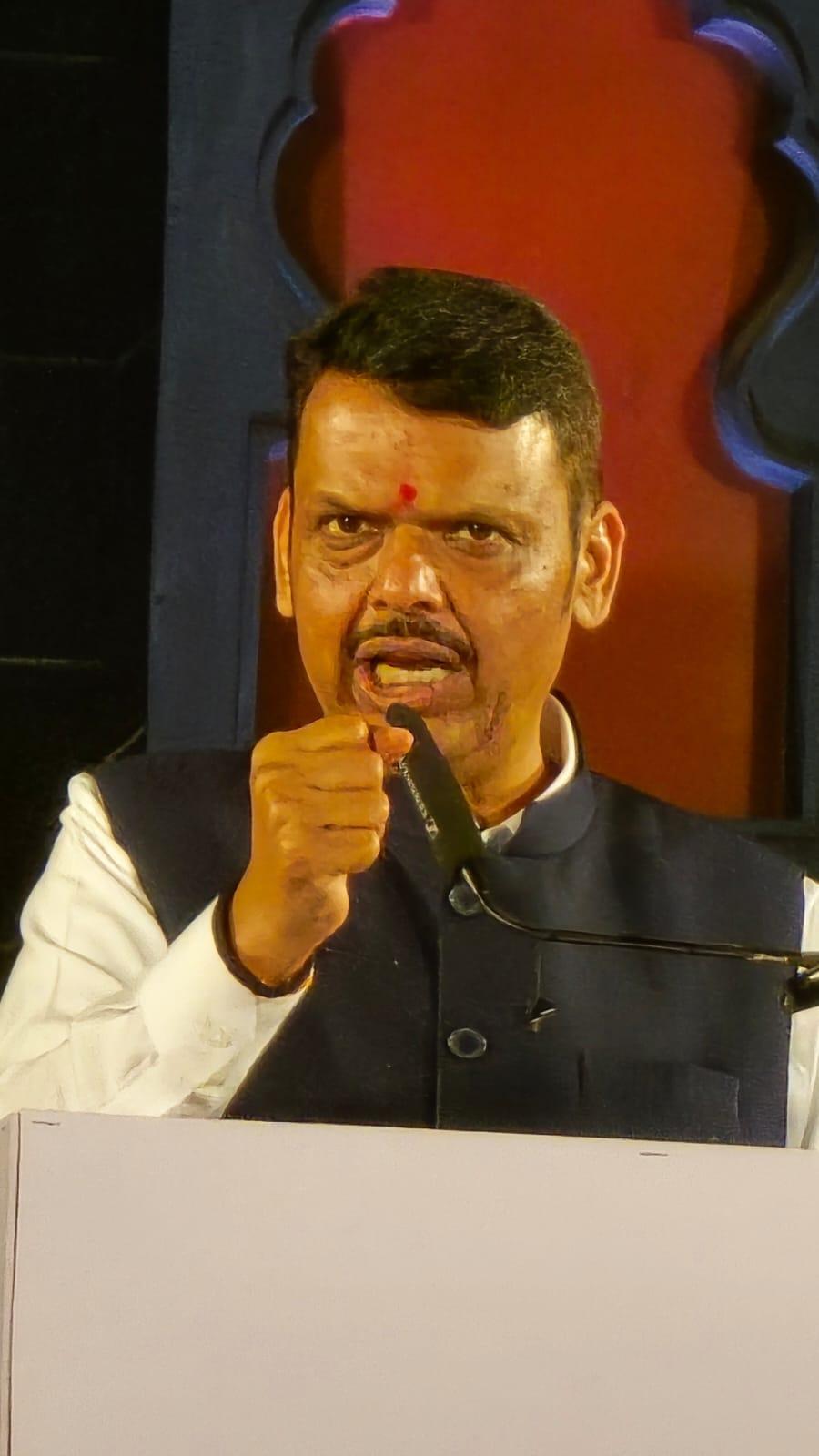
The directive from Chief Minister Devendra Fadnavis for ministers to spend Diwali with farmers is a calculated political gesture that underscores the centrality of the agricultural sector in Maharashtra’s political economy. By mandating personal engagement with farmers during a major festival, the state government is signaling a direct line of communication and empathy, attempting to bridge the gap between the bureaucratic machinery and the agrarian populace. This move is particularly significant in a state where farmer protests and agrarian distress have been recurring themes, often leading to significant political upheaval. The gesture is designed to humanize the administration and demonstrate a tangible commitment to the welfare of the farming community.
The underlying tension in Maharashtra’s political is driven by the persistent economic challenges faced by farmers, including debt burdens, crop failures, and market volatility. The state government faces pressure from opposition parties and farmer unions to provide concrete relief measures, and the Diwali directive is part of a broader strategy to manage these expectations. The institutional friction is evident in the need for the government to balance fiscal constraints with the political necessity of showing support for the agricultural sector. This engagement is not merely symbolic but is intended to gather on-ground intelligence on the specific grievances of farmers, which can then inform policy adjustments.
The downstream consequence of this directive is a potential strengthening of the government’s rapport with the farming community, which could translate into political support in future elections. However, the tangible outcome will depend on whether this symbolic gesture is accompanied by substantive policy changes, such as debt waivers, improved market access, or increased subsidies. If the engagement is perceived as merely performative, it could backfire, leading to increased skepticism and unrest among farmers. The 12-month outlook suggests that the government will need to deliver visible results in the agricultural sector to maintain the goodwill generated by this initiative.
Comments 0