Maharashtra Faces Accelerating Groundwater Crisis as Drought Deepens
Groundwater levels have receded in an additional 80 tehsils, pushing the total number of districts confronting severe water scarcity past 300. State authorities have launched an emergency program to dig recharge pits, but the scale of the shortfall threatens agricultural output and rural livelihoods.
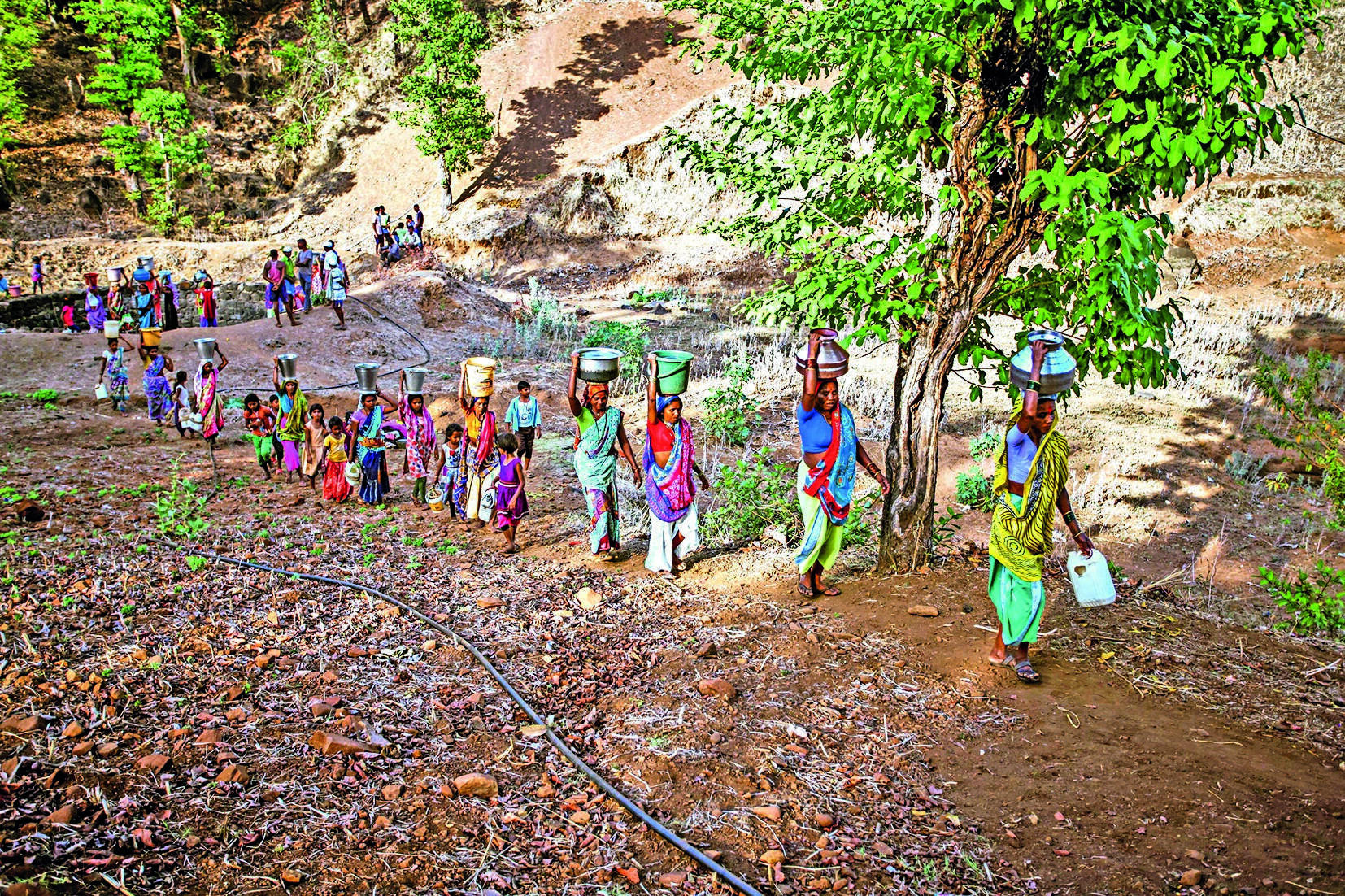
The concrete rupture emerged when the latest hydrological survey revealed that groundwater tables in eighty new administrative blocks had fallen below critical thresholds, joining a growing list of over three hundred areas teetering on the brink of water failure. The data, released by the state water department, painted a stark picture of a region where monsoon variability and over‑extraction have converged to create a chronic deficit. Immediate response measures included the rapid deployment of excavation crews to construct shallow recharge pits aimed at capturing seasonal runoff.
Underlying tension lies in the clash between agrarian demand and limited hydraulic capacity, compounded by policy friction between state ministries responsible for irrigation and those overseeing environmental regulation. Farmers, reliant on tube wells for irrigation, have long lobbied for relaxed extraction limits, while environmentalists warn that continued depletion will irreversibly damage aquifer structures. The state government’s hurried pit‑digging initiative has been criticized for its piecemeal nature, lacking a coordinated basin‑wide management plan and risking inefficient allocation of scarce resources.
The downstream casualties are already manifesting as reduced crop yields, heightened farmer indebtedness, and a surge in migration from rural hamlets to urban centers. Water‑dependent industries face operational disruptions, and public health concerns are rising due to reliance on contaminated shallow sources. The crisis is expected to reshape agricultural practices, prompting a shift toward less water‑intensive crops and accelerating the adoption of micro‑irrigation technologies, albeit unevenly across the region.
Comments 0