Maharashtra FDA Demands Price Caps on Essential Medical Disposables
State regulators have formally petitioned the Union government to institute strict price ceilings on critical medical devices to curb runaway retail markups. The intervention exposes vast pricing discrepancies where routine hospital consumables are billed to patients at exponential margins.
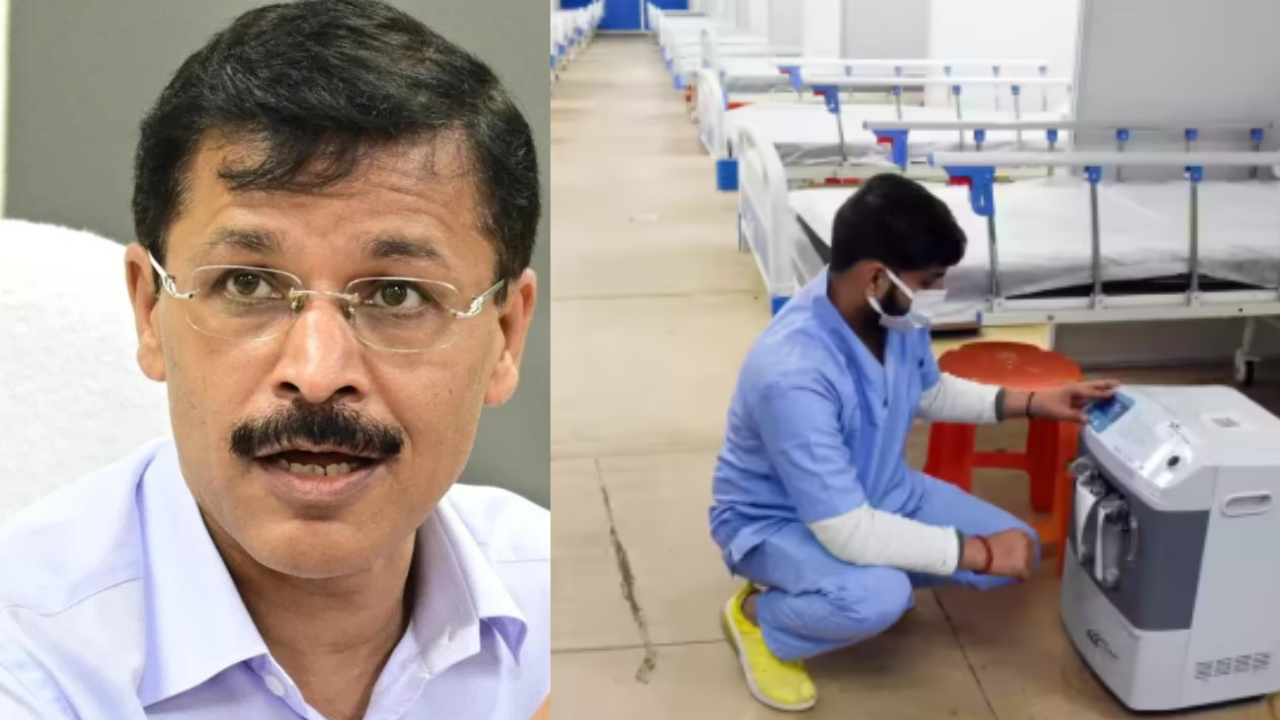
The economic mechanics of modern healthcare often hinge on invisible line items, where humble commodities acquire extraordinary valuations by the time they reach a patient's bedside. Recent inquiries by the Maharashtra Food and Drug Administration brought this reality into stark relief by highlighting intravenous administration sets procured for a mere eleven rupees yet retailed to vulnerable families for upwards of three hundred rupees. Such astronomical markups transform routine medical care into an economic hazard, compelling state regulators to bypass traditional advisory channels and demand direct central intervention under national price control frameworks. This regulatory push exposes a persistent structural vulnerability within India's medical retail architecture, where pharmaceuticals face rigorous price monitoring while essential consumables and surgical accessories remain largely untamed by statutory caps. Manufacturers and distributors defend these margins by citing logistic overheads, specialized sterilization protocols, and supply chain complexities, yet hospital procurement practices frequently rely on captive purchasing arrangements. Patients admitted for emergency care find themselves with zero leverage to negotiate these costs, absorbing arbitrary billing structures that consistently erode household savings during health crises. The formal proposal submitted to the Centre now forces federal authorities to weigh public welfare against industry lobbying pressures from domestic medical device manufacturers. If the Union government accedes to the demand, hospitals and retail pharmacies face an immediate compression of margins on non-drug consumables, altering the revenue models of private healthcare providers across the country. Conversely, a rejection of the plea will cement a two-tier economic reality where life-saving interventions remain tethered to predatory commercial extraction.
Comments 0