Maharashtra Orders Seed Companies to Pay Soybean Farmers for Verified Losses
Maharashtra has directed seed firms to compensate soybean farmers whose losses are verified, shifting the financial burden of crop failure back towards the suppliers. The order could deliver relief to affected growers while exposing the agriculture sector’s disputes over seed quality, liability and proof of loss.
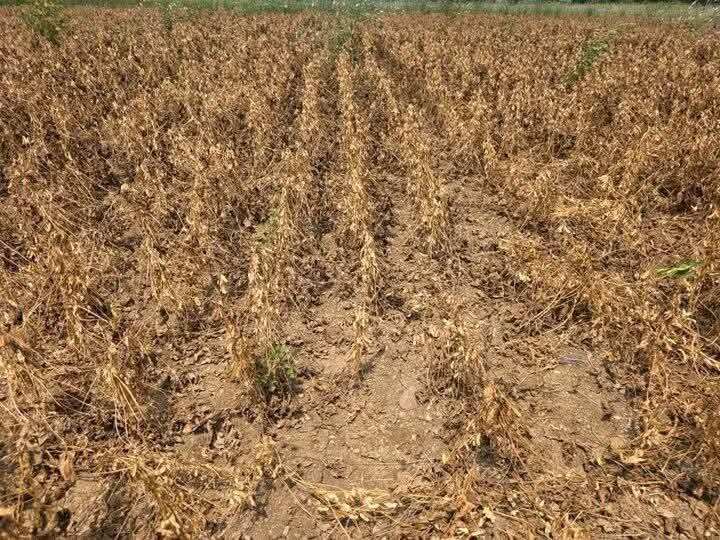
Maharashtra has directed seed companies to compensate soybean farmers for losses that can be verified, placing a measurable financial obligation on the firms that supplied the crop’s starting material. For growers whose harvests failed, the order offers a route beyond prolonged argument with companies or distant insurance processes. Its success will depend on the standard of verification, a phrase that will determine who qualifies for payment and how quickly compensation reaches the fields where the loss was suffered.
The dispute exposes the difficult position of farmers caught between two forms of risk. Weather, pests and changing cultivation conditions can depress a crop, while seed performance and the claims made at the point of sale shape how much damage is attributed to the supplier. Without a clear division of responsibility, agricultural companies can treat complaints as exceptional, and farmers can absorb losses that public policy intended to distribute more fairly. A state directive moves that argument from individual bargaining into a formal system of accountability, making corporate participation in agricultural markets more consequential than a simple sale of seed.
The beneficiaries will be farmers who can document their losses and establish the link between seed purchased and the failed crop. At the same time, the order may lead seed firms to tighten recordkeeping, improve complaints procedures and price the risk of liability into their products. The principal danger is that cautious verification could become delay, leaving smaller growers without cash when they need it most. Maharashtra’s intervention therefore matters beyond the immediate payment: it tests whether agricultural commerce can absorb genuine failure without allowing either corporate negligence or every seasonal loss to be shifted wholesale onto suppliers.
Comments 0