Maharashtra Political Fracture Deepens as NCP Leadership Faces Internal Discontent
Parth Pawar has emerged as the focal point of discontent within the Nationalist Congress Party, prompting Sunetra Pawar to convene a meeting with party seniors. This internal strife threatens to destabilize the ruling coalition in Maharashtra, with potential implications for the state's political stability.
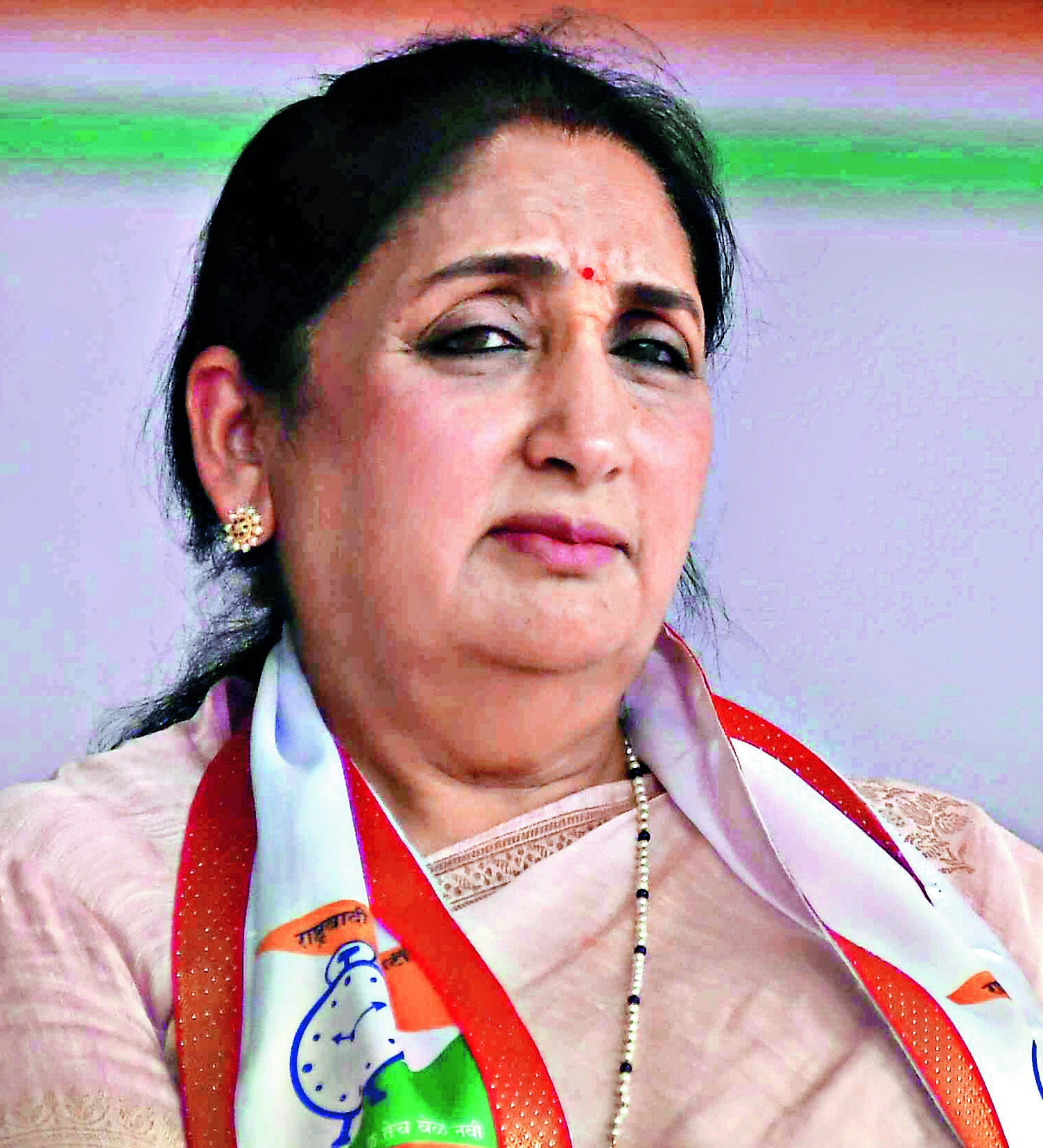
The Nationalist Congress Party (NCP) in Maharashtra is grappling with a significant internal crisis, with Parth Pawar at the center of growing discontent. Sunetra Pawar has called a meeting with party seniors to address the issues, signaling a serious attempt to manage the fallout. This concrete rupture within the party reflects the fragility of the ruling coalition and the challenges of maintaining unity in the face of political pressures. The move to convene a high-level meeting underscores the urgency of the situation and the potential for further fragmentation if the discontent is not effectively addressed.
The underlying tension is rooted in the complex power dynamics within the NCP and the broader coalition government in Maharashtra. The party has historically been a key player in the state's politics, but recent developments have strained its internal cohesion. The friction is exacerbated by external pressures, including opposition from rival parties and the need to navigate a challenging political . The institutional challenge is to balance the interests of different factions within the party while maintaining a unified front against external threats. This requires careful negotiation and a clear communication strategy to reassure party members and the public.
The downstream consequences of this internal strife could be significant for the state's political stability. If the NCP fails to resolve the discontent, it could lead to a split in the party, weakening the ruling coalition and potentially triggering a political crisis. The tangible outcome is an increase in political uncertainty, which could affect policy implementation and public confidence in the government. Over the next 12 months, expect to see intensified political maneuvering within the NCP and the coalition, with potential implications for the state's governance and the upcoming electoral cycle. The situation highlights the importance of internal party discipline and the need for a strong leadership to navigate complex political challenges.
Comments 0