Maharashtra’s Aquifer Crisis: A Silent Emergency in the Deccan
Expanding data reveals a critical decline in groundwater levels and soil moisture across multiple talukas in Maharashtra, signaling a severe hydrological emergency. This depletion threatens the state’s agricultural backbone and exacerbates rural distress, demanding immediate policy intervention to prevent long-term ecological collapse.
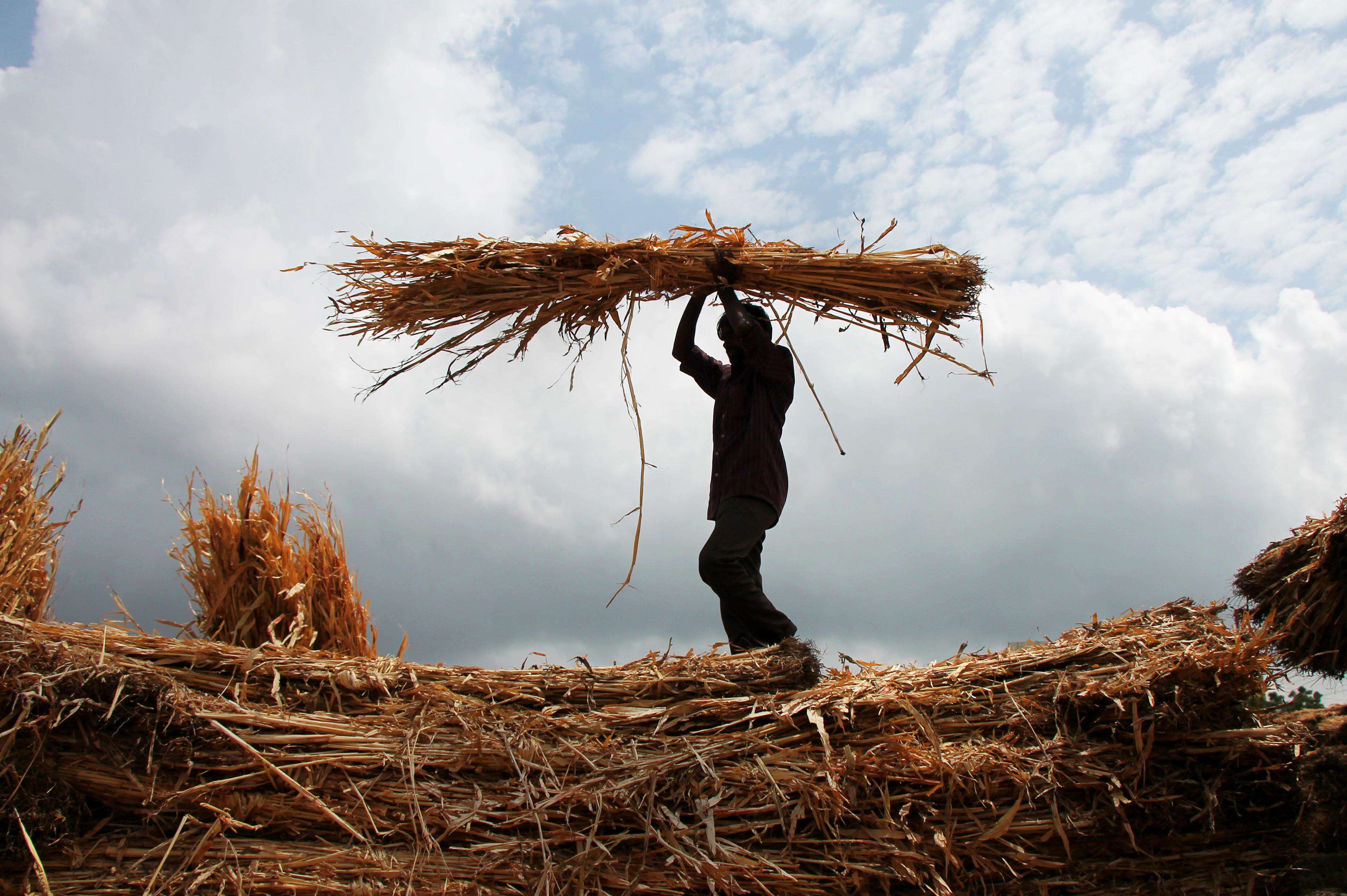
The hydrological crisis in Maharashtra is no longer a distant threat but a present reality, with data showing a significant shrinkage in groundwater levels and soil moisture across an increasing number of talukas. This decline is particularly alarming in the Deccan plateau, where agriculture is heavily dependent on irrigation. The depletion of aquifers is outpacing recharge rates, driven by excessive pumping for agricultural and industrial use. This trend is not isolated to a few regions but is spreading, indicating a systemic failure in water management. The immediate consequence is a reduction in crop yields and an increase in the cost of irrigation, placing a heavy burden on farmers who are already struggling with debt and market volatility.
The underlying tension in this crisis stems from the conflict between agricultural demand and sustainable water use. Maharashtra’s agricultural policies have historically encouraged water-intensive crops, leading to over-extraction of groundwater. The lack of effective regulation and monitoring has allowed this depletion to continue unchecked. The state government faces a difficult choice between supporting the agricultural sector, which is a major contributor to the state’s economy, and implementing strict water conservation measures that could be politically unpopular. This institutional friction is compounded by the lack of coordination between state and central agencies, leading to fragmented and often ineffective responses to the crisis.
The downstream casualties of this aquifer crisis are primarily the rural poor and smallholder farmers. As water levels drop, the cost of pumping increases, making it difficult for farmers to sustain their livelihoods. This leads to a cycle of debt and distress, with many farmers being forced to abandon their lands or migrate to urban areas in search of work. The long-term impact is a decline in agricultural productivity and a shift in the state’s economic structure, with a greater dependence on non-farm employment. The crisis also has environmental consequences, including the drying up of wells and rivers, which affects the local ecosystem and biodiversity. Addressing this crisis requires a comprehensive approach that includes water conservation, crop diversification, and investment in water infrastructure.
Comments 0