Maharashtra’s Drought‑Stricken Talukas Report Zero Crop Yield
A central survey team has confirmed that numerous talukas across Maharashtra have recorded no agricultural output this season. The shock has sent ripples through state markets, prompting urgent calls for relief and water management reforms.
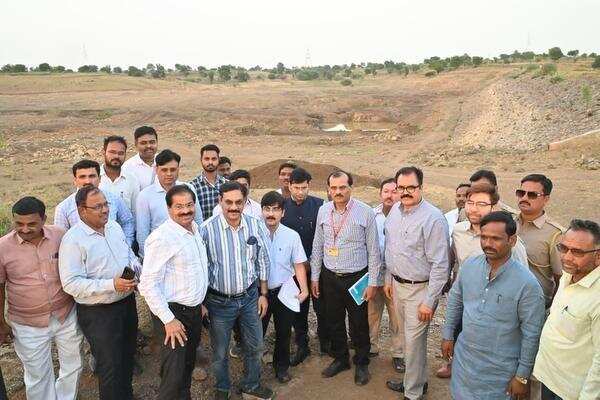
The latest field reports from a central agricultural survey team reveal that a swath of talukas in Maharashtra have returned zero tonnes of grain, pulses or oilseeds for the current cropping cycle. The drought, which has persisted for more than a year, has depleted groundwater tables, left irrigation canals dry, and rendered rain‑fed fields barren. Farmers who once relied on modest yields now face empty granaries, and local cooperatives report an abrupt halt to the usual flow of produce to regional markets.
State officials have convened emergency meetings with the central government, seeking additional cash assistance, subsidised diesel for pumps and accelerated water‑release schemes from major reservoirs. The drought has exposed long‑standing frictions between the state agriculture department and water‑resource agencies, with accusations of delayed approvals and inadequate infrastructure investment. Local farmer unions have staged protests in major towns, demanding transparent allocation of relief funds and a revision of crop‑insurance policies that many deem insufficient for such extreme failures.
The immediate fallout extends beyond the fields. Urban centres in Maharashtra are already witnessing a modest uptick in staple food prices, a trend that threatens to erode household budgets in low‑income neighborhoods. Rural labourers, deprived of seasonal work, are migrating to nearby industrial zones, adding pressure to urban employment markets. Over the next twelve months, the state is likely to see a contraction in agricultural credit, a slowdown in rural consumption, and a heightened political focus on water‑security legislation.
Comments 0