Maharashtra’s ‘Khet Bachao Abhiyan’ Launched to Cushion Drought‑Stricken Farmers
The state government unveiled an agricultural relief programme that promotes oilseed and jowar cultivation in drought‑affected districts. The initiative aims to stabilize farmer incomes while conserving scarce water resources.
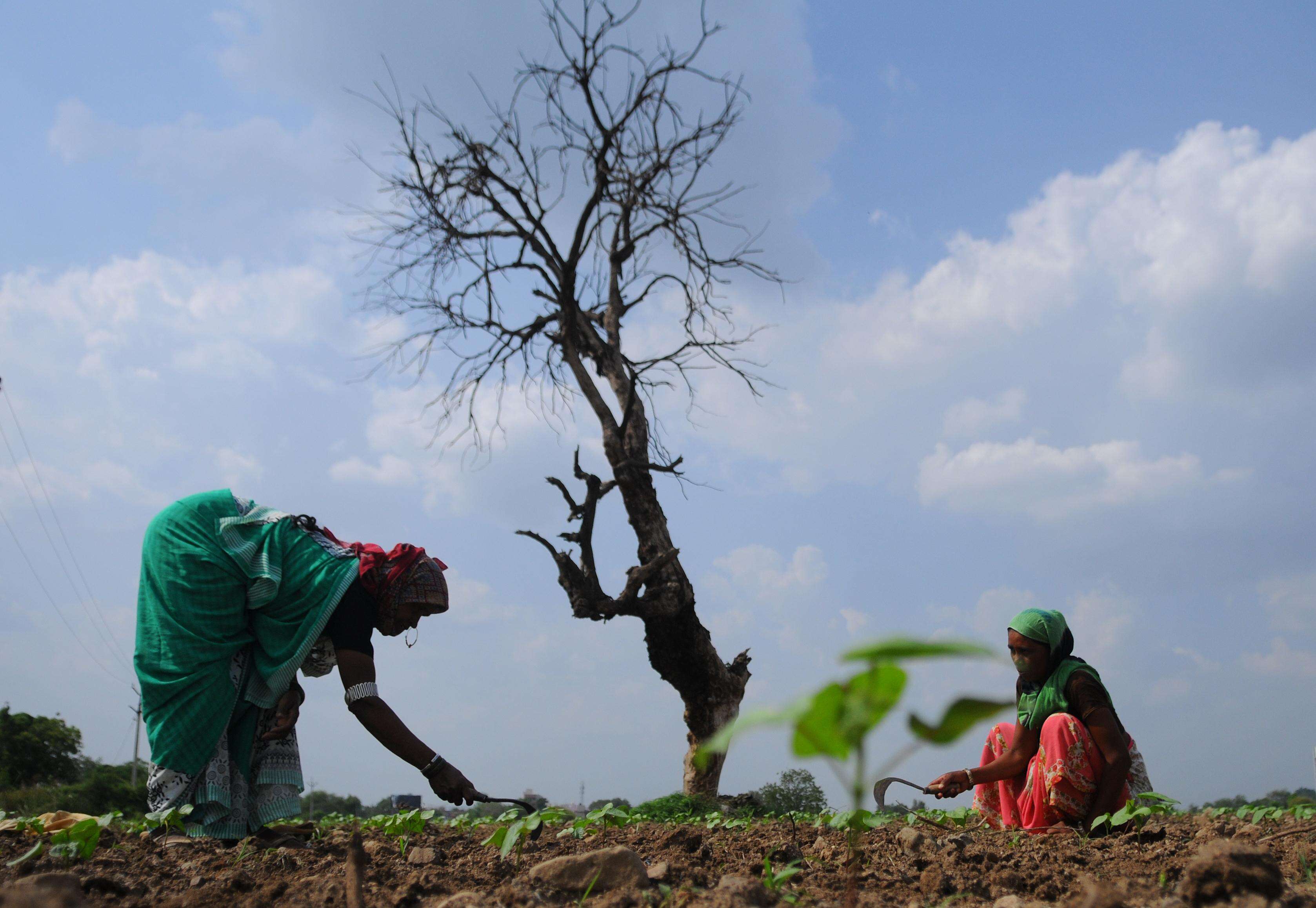
The concrete rupture arrived when the Maharashtra chief minister announced the ‘Khet Bachao Abhiyan’, a scheme that subsidises seeds and irrigation equipment for oilseeds and jowar, crops known for lower water demand. The rollout was accompanied by a press conference in Pune, where officials presented a detailed budget allocation and a timeline for distribution across the most arid talukas. The immediate shockwave was felt among farmer unions, who welcomed the financial assistance but cautioned that implementation speed would determine the programme’s effectiveness.
Underlying tension revolves around the chronic water scarcity that has plagued the state for several monsoon cycles, pitting agricultural interests against urban water needs. Critics argue that the scheme, while well‑intentioned, may not address the root causes of over‑extraction from groundwater tables, and they call for a parallel push toward rainwater harvesting and drip irrigation. The state’s agricultural department has responded by pledging to integrate modern farming techniques and to monitor soil health, seeking to balance short‑term relief with long‑term sustainability.
Downstream casualties include a potential shift in market dynamics as the increased supply of oilseeds and jowar could depress prices, affecting traders and processors. Conversely, the reduced reliance on water‑intensive crops may alleviate pressure on the region’s aquifers, offering a modest environmental reprieve. The programme also sets a precedent for other drought‑prone states, which may adopt similar models, thereby influencing national agricultural policy and resource allocation in the coming year.
Comments 0