Mapping the Neural Code: Three Scientists Secure Nobel Prize for Optogenetics Breakthrough
Karl Deisseroth, Peter Hegemann, and Georg Nagel have been awarded the Nobel Prize in Physiology or Medicine for pioneering light-gated ion channels that manipulate neural activity. This paradigm-shifting recognition validates optogenetics as the definitive framework for charting complex brain circuitry and behavioral mechanics.
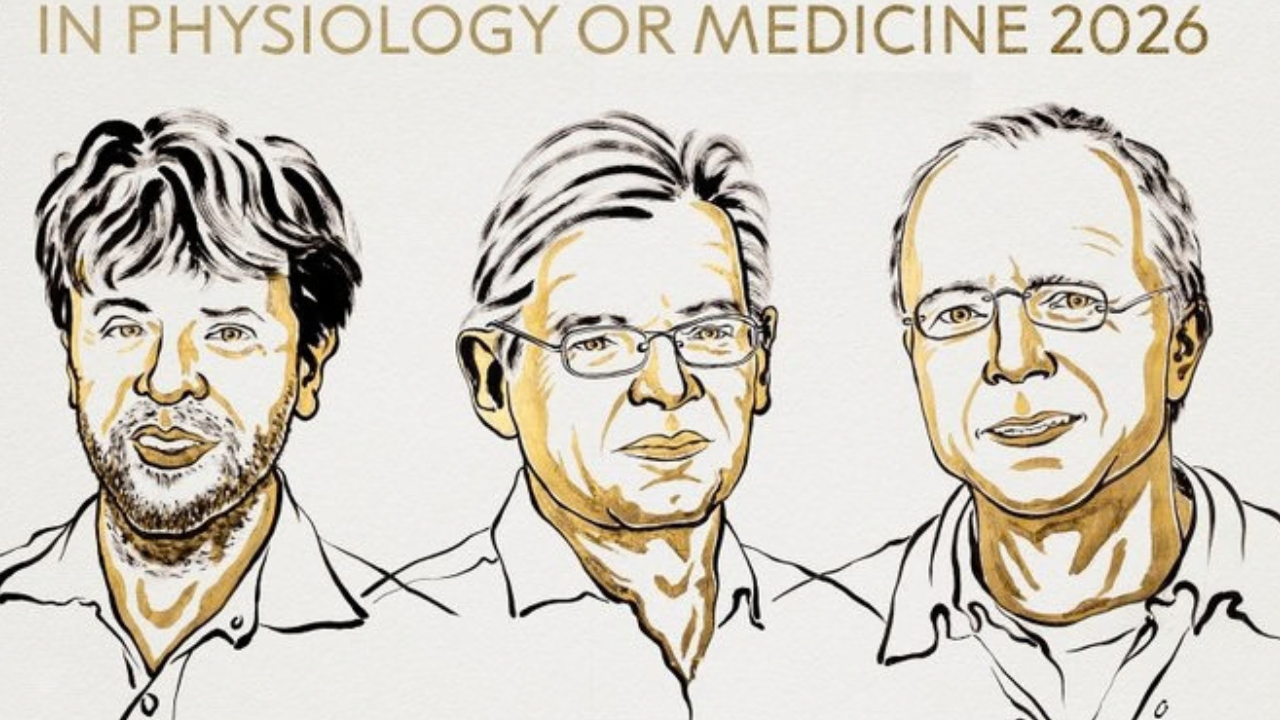
The 2026 Nobel Prize in Physiology or Medicine marks a watershed moment for neurobiology, formally honoring the architects of optogenetics. By identifying and implementing light-gated ion channels, Karl Deisseroth, Peter Hegemann, and Georg Nagel transformed how science interacts with living neural tissue. Researchers can now switch individual nerve cells on and off with millisecond precision using flashes of light, bypassing the blunt instruments of traditional pharmacology and electrical stimulation. For decades, the brain remained an opaque black box of billions of interconnected neurons firing in seemingly impenetrable symphonies. The foundational work of these three laureates pierced that darkness by introducing microbial proteins into mammalian neurons, effectively wiring biological circuits to optical switches. This methodology bridged molecular biology and optics, allowing laboratories worldwide to observe how specific neural clusters construct fear, memory, and physical sensation. Institutional laboratories and pharmaceutical giants are already restructuring their neurological research pipelines around these optogenetic models. The immediate consequence is a profound acceleration in targeted therapies for psychiatric disorders, degenerative neuropathies, and paralysis. As this technique moves from academic validation to clinical deployment, the medical community stands on the precipice of engineering precise interventions for conditions previously deemed intractable.
Comments 0