Maritime Collision in the Arabian Sea Tests Rules of Engagement Between India and Pakistan
An abrupt high-speed encounter between Indian and Pakistan naval vessels in international waters has heightened regional tensions. The near-miss incident highlights the fragility of communication channels between rival military commands.
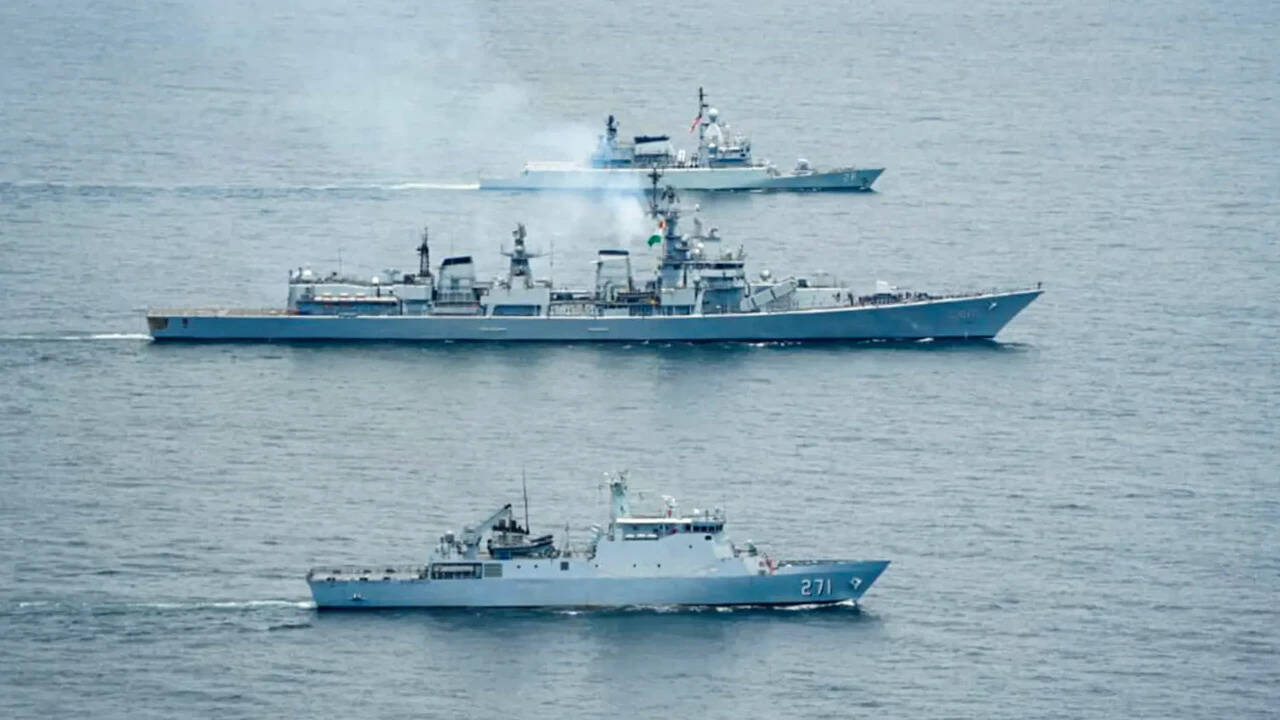
The operational parameters of naval patrols in the Arabian Sea shifted dramatically following a high-speed interception course taken by opposing vessels. Military authorities confirmed that the ships came dangerously close to physical impact before emergency maneuvers averted a direct collision. This episode exposes the latent volatility persisting in contested maritime domains where standard protocols often fail under high-stress operational environments. Institutional friction between the two naval commands has intensified as both sides trade accusations regarding the breach of international maritime protocols. Defense analysts note that automated tracking systems and rapid-response directives frequently compress decision-making windows for commanders on duty. Such operational realities leave little room for diplomatic nuance when vessels operate in proximity without immediate, direct hotline communication channels active at sea. Downstream casualties of this incident include the immediate freezing of bilateral confidence-building measures and an escalation in routine threat assessments across western command centers. The tangible outcome manifests as a permanent hardening of naval posture, with both nations deploying additional surveillance assets to monitor the maritime border. Regional stability now faces renewed pressures as naval doctrines prioritize defensive readiness over cooperative risk reduction.
Comments 0