Maritime Escalation in the Persian Gulf as United States Forces Neutralize Iranian Watercraft
American military forces destroyed two small Iranian boats attempting to seize an uncrewed sea drone in Middle Eastern waters. This kinetic engagement deepens maritime friction between Washington and Tehran.
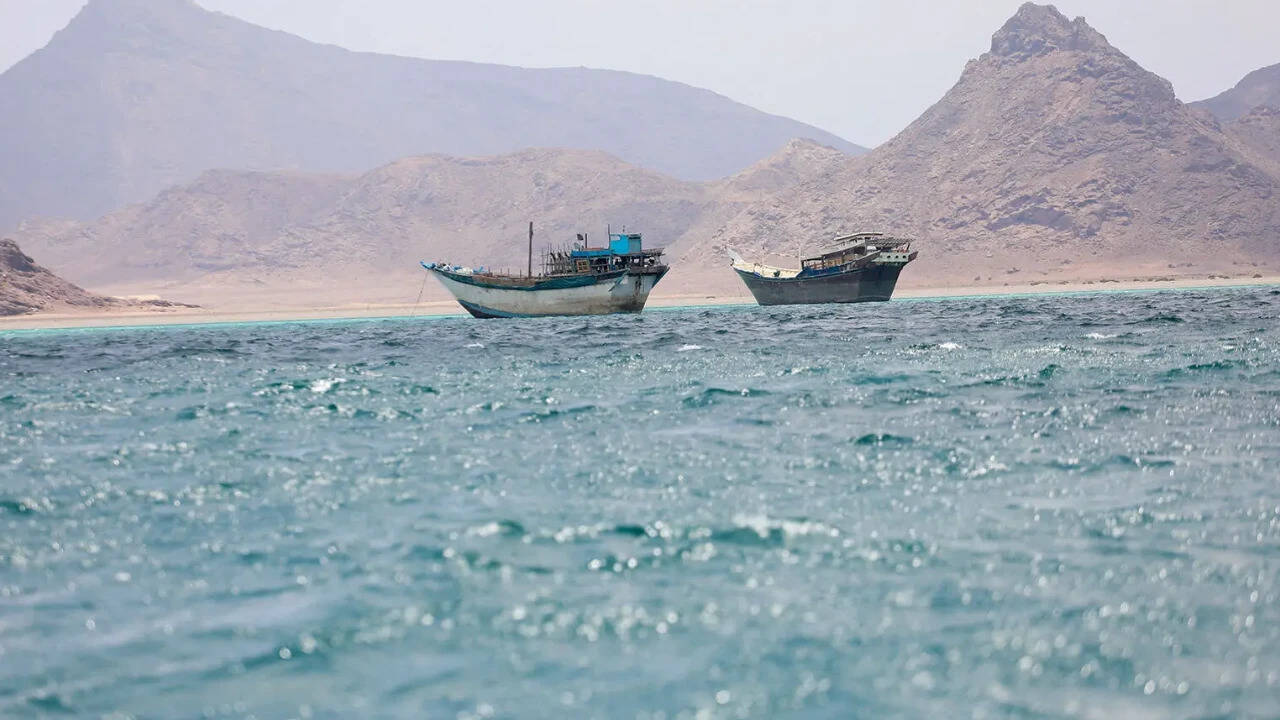
The waters of the Persian Gulf witnessed another kinetic rupture when American naval personnel engaged and destroyed two Iranian vessels. The confrontation erupted after the small craft moved aggressively to capture an autonomous maritime drone operated by the United States Navy. Such uncrewed surface vessels represent the frontier of modern naval reconnaissance, functioning as silent sentinels across contested shipping lanes. The attempt by Iranian forces to sequester the hardware signals an escalating contest for technological dominance and tactical intelligence in strategic waters. Beneath the immediate tactical exchange lies a persistent institutional friction concerning sovereignty and freedom of navigation. Tehran views the omnipresence of American unmanned hardware near its coastline as an intolerable provocation and a direct challenge to regional security perimeters. Conversely, Washington maintains that these autonomous assets operate strictly within international waters, asserting a legal doctrine of open transit that the Islamic Republic routinely contests. This doctrinal clash turns routine patrols into powder kegs where minor tactical misunderstandings escalate rapidly into lethal force. The immediate consequence of the engagement is a hardening of postures across both military establishments and a spike in regional insurance premiums for commercial shipping. By demonstrating a zero-tolerance threshold for the interference of autonomous assets, the Pentagon has effectively militarized the defense of its robotic fleet. Regional allies now brace for asymmetric retaliation, ranging from electronic warfare disruptions in the Strait of Hormuz to proxy actions targeting commercial tankers, ensuring that the maritime frontier remains profoundly unstable.
Comments 0