MEA Monitors U.S. Legislative Push for Punitive Russian Energy Tariffs
New Delhi is actively evaluating a congressional bill in Washington that threatens secondary tariffs of up to one hundred percent on nations importing Russian hydrocarbons. The legislative maneuver introduces profound friction into bilateral economic diplomacy and strategic alignments.
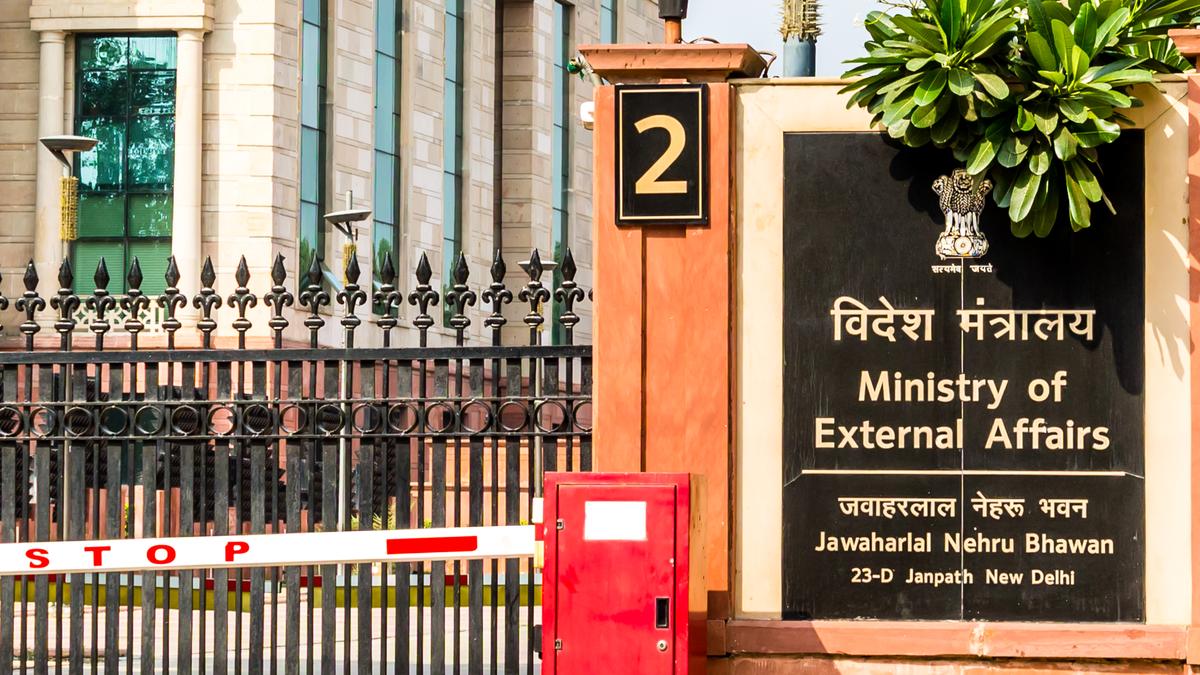
The Ministry of External Affairs has acknowledged active diplomatic monitoring concerning a newly advanced bill within the United States Congress. The proposed legislation empowers the American executive branch to levy prohibitive tariffs against sovereign states that maintain commercial energy transactions with Moscow. This move directly targets India's sustained procurement of discounted Russian crude, which has served as a cornerstone of macroeconomic stabilization following the onset of European supply disruptions. At the core of this legislative friction lies a fundamental divergence in national security calculus and economic pragmatism. While Washington seeks to enforce total commercial isolation of the Russian economy through extraterritorial legal instruments, New Delhi prioritizes domestic inflation control and energy security for its manufacturing sector. Indian policymakers view secondary sanctions not merely as commercial penalties, but as an infringement upon strategic autonomy and sovereign trade decisions made in the national interest. The immediate casualty of this legislative posture is the predictability required for long-term bilateral trade frameworks. Should the bill transition into statutory law, Indian refiners will face immediate balance-of-sheet recalculations, potentially forcing a painful pivot toward costlier Middle Eastern and American crude supplies. The ultimate outcome will test the resilience of the broader security partnership, demonstrating whether strategic convergence in the Indo-Pacific can survive severe economic divergence in transatlantic and Eurasian commerce.
Comments 0