Metropolitan Atmospheric Shift as Monsoon Recedes in Delhi
Meteorologists forecast dry conditions and steady surface winds for the capital while widespread precipitation affects surrounding states. Urban residents face shifting atmospheric dynamics as local air quality indices react to changing seasonal wind patterns.
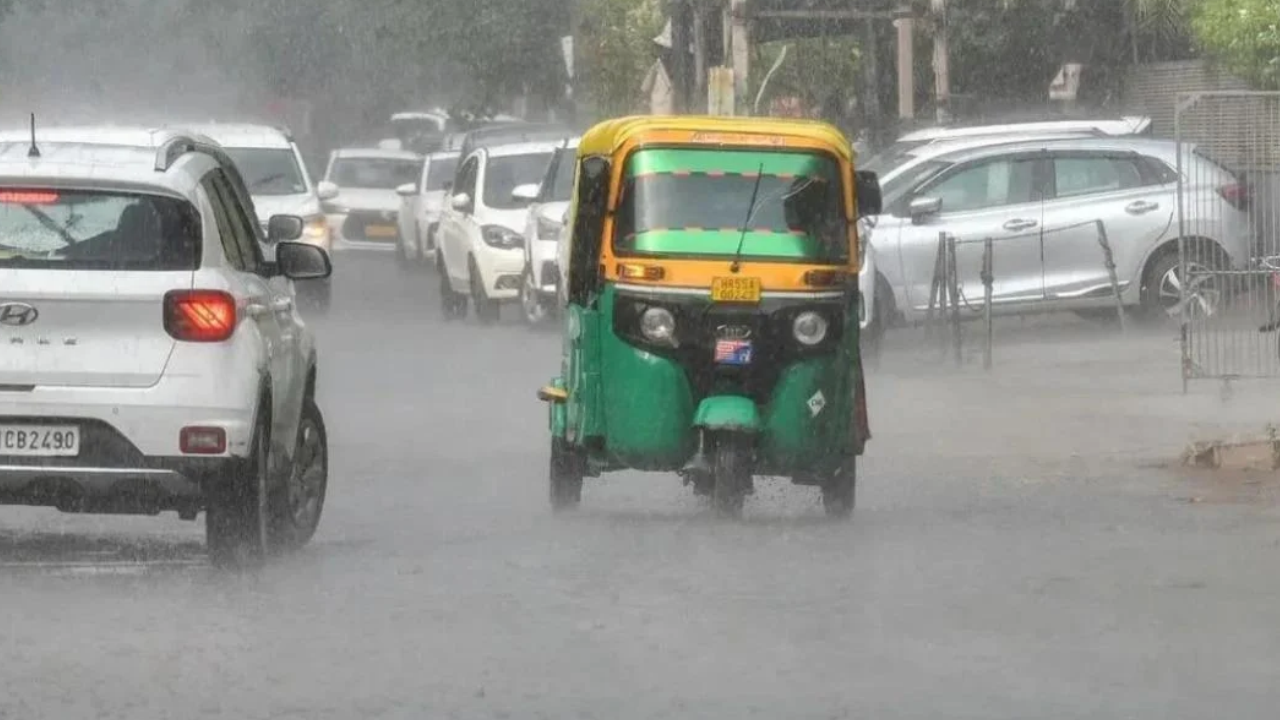
The Indian Meteorological Department has released comprehensive regional forecasts indicating a definitive break in local precipitation patterns for the National Capital Territory. While neighboring jurisdictions brace for unseasonal thunderstorms, Delhi is projected to experience sustained surface winds reaching twenty-two kilometres per hour. Urban planners and environmental regulators monitor these meteorological shifts closely because sustained wind velocities directly influence airborne particulate dispersal. The transition from monsoon humidity to dry continental air initiates the annual cycle of air quality degradation across the northern plains. The immediate outcome is a temporary stabilization of urban atmospheric clarity before winter temperature inversions trap vehicular and agricultural emissions. Municipal authorities remain unprepared for the impending pollution crisis despite predictable annual meteorological indicators.
Comments 0