Metropolitan Connectivity Boost: Barapullah Phase Three Opens to Alleviate Delhi Transit Gridlock
The newly completed nine-kilometer Barapullah Phase Three corridor has officially opened to public traffic, bridging East and South Delhi. Commuters anticipate drastically reduced travel times and relief from chronic arterial congestion during peak hours.
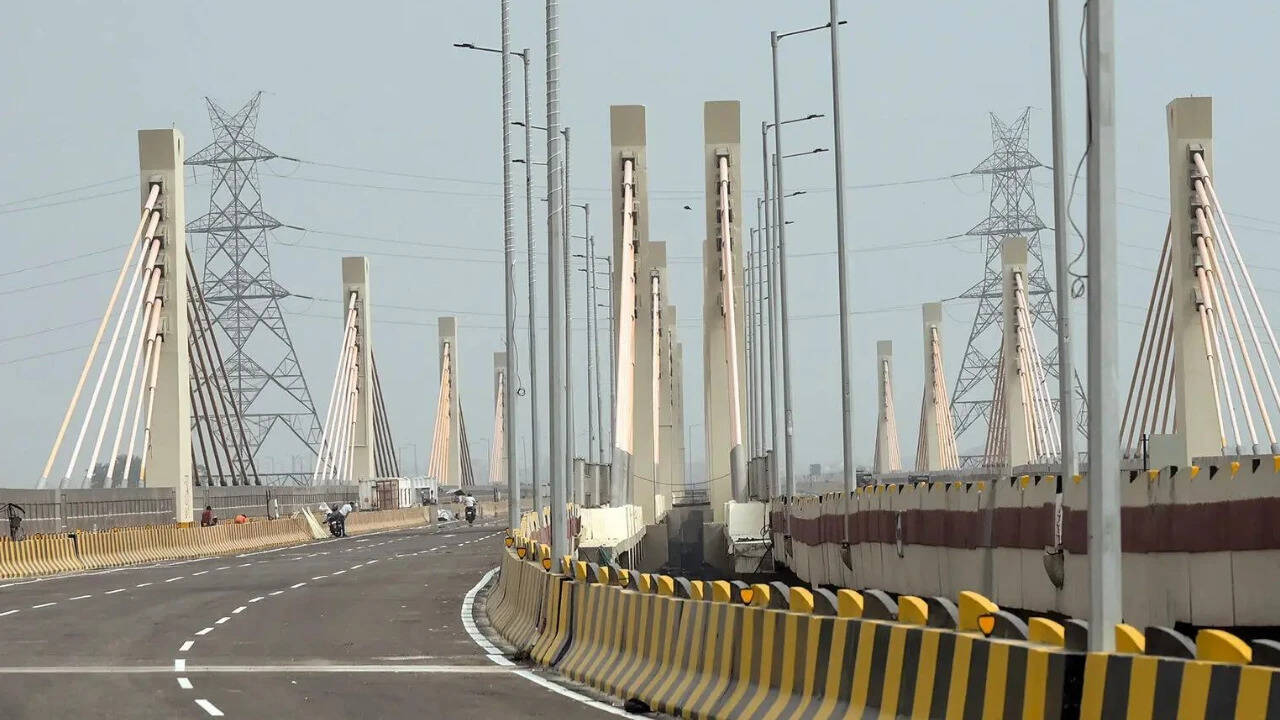
Urban planners and transport authorities inaugurated the final stretch of the elevated roadway project after years of construction delays and escalating project expenditures. The corridor creates a direct, signal-free transit path across the Yamuna floodplains and dense urban neighborhoods, connecting Mayur Vihar directly to INA and South Extension. Motorists making the daily inter-district commute can now bypass notoriously congested choke points like the Ashram intersection and Nizamuddin bridges. This infrastructure milestone reflects the ongoing battle between rapid urban expansion and public works execution capacity in the national capital. Delays driven by land acquisition bottlenecks and environmental clearances have plagued the project since its inception, inflating costs and frustrating commuters who absorbed years of daily gridlock. The successful opening demonstrates the transformative impact of elevated corridors in bypassing surface-level bottlenecks caused by mixed vehicular traffic. The immediate beneficiaries are thousands of daily commuters who will experience shorter transit durations and lower fuel consumption on cross-city journeys. However, urban mobility analysts warn that funneling additional vehicles directly into South Delhi hubs may simply shift traffic congestion points rather than eliminate them entirely. Local transit authorities must now reconfigure feeder routes and public bus networks to maximize the efficiency of the new expressway.
Comments 0