Michael Jackson did not create the iconic Thriller dance, claims choreographer
Vincent Paterson says Michael Jackson did not originate the famous Thriller dance, attributing its core moves to choreographer Michael Peters. The clarification reshapes how the iconic routine is credited in popular culture.
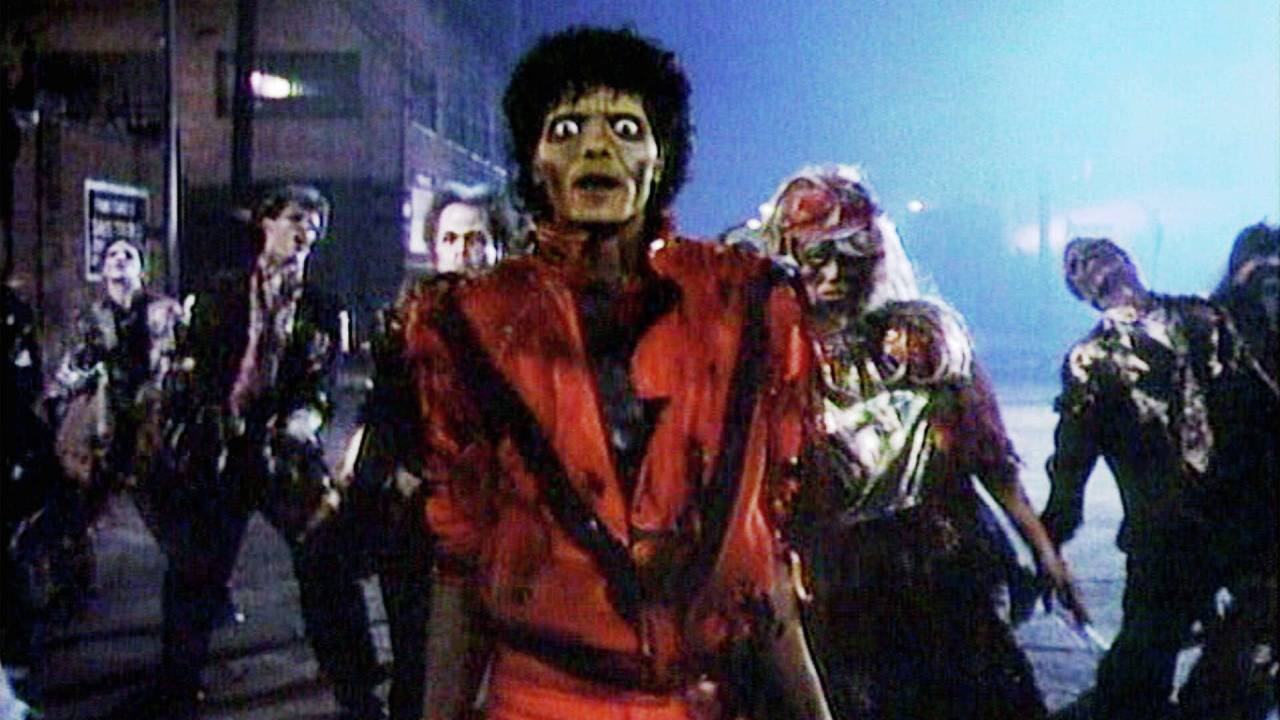
The music video for Michael Jackson’s 1983 hit “Thriller” remains one of the most recognizable pieces of pop culture, not only for its groundbreaking cinematography but also for the choreography that accompanied the iconic zombie walk. At the time of its release, the dance was widely attributed to Jackson himself, who was known for collaborating closely with choreographers to shape his performances. Among the professionals who worked on the project were Michael Peters, a veteran of Broadway and television, and Vincent Paterson, who later directed several of Jackson’s stage shows.
Vincent Paterson, who has spent decades designing movement for film, theater and live concerts, recently told a media outlet that the signature steps of the “Thriller” routine were not his own invention. He said the core sequence , the slow, deliberate arm lifts and the synchronized footwork that mimics a shuffling gait , was originally devised by Michael Peters during rehearsals in 1982. Paterson explained that his role was to refine the timing and to integrate the choreography with the video’s narrative, but the foundational pattern was already in place before he joined the production.
The clarification matters because the “Thriller” dance continues to be performed at Indian weddings, school functions and television talent shows, where it is often presented as a hallmark of Jackson’s personal creativity. Recognising Michael Peters’ contribution provides a more accurate picture of how international collaborations shaped a moment that still influences Indian pop culture and dance education. As Indian choreographers and fans revisit classic routines, the story underscores the importance of crediting all artists involved, a lesson that resonates in today’s increasingly collaborative entertainment industry.
Comments 0