Mid-Air Helicopter Collision Near Oregon Airport Kills Three
Three people were killed when two helicopters collided mid-air near an airport in Oregon, highlighting persistent safety concerns in the region's busy airspace. The incident has prompted an immediate investigation into the causes of the crash and the adequacy of air traffic control measures in the area.
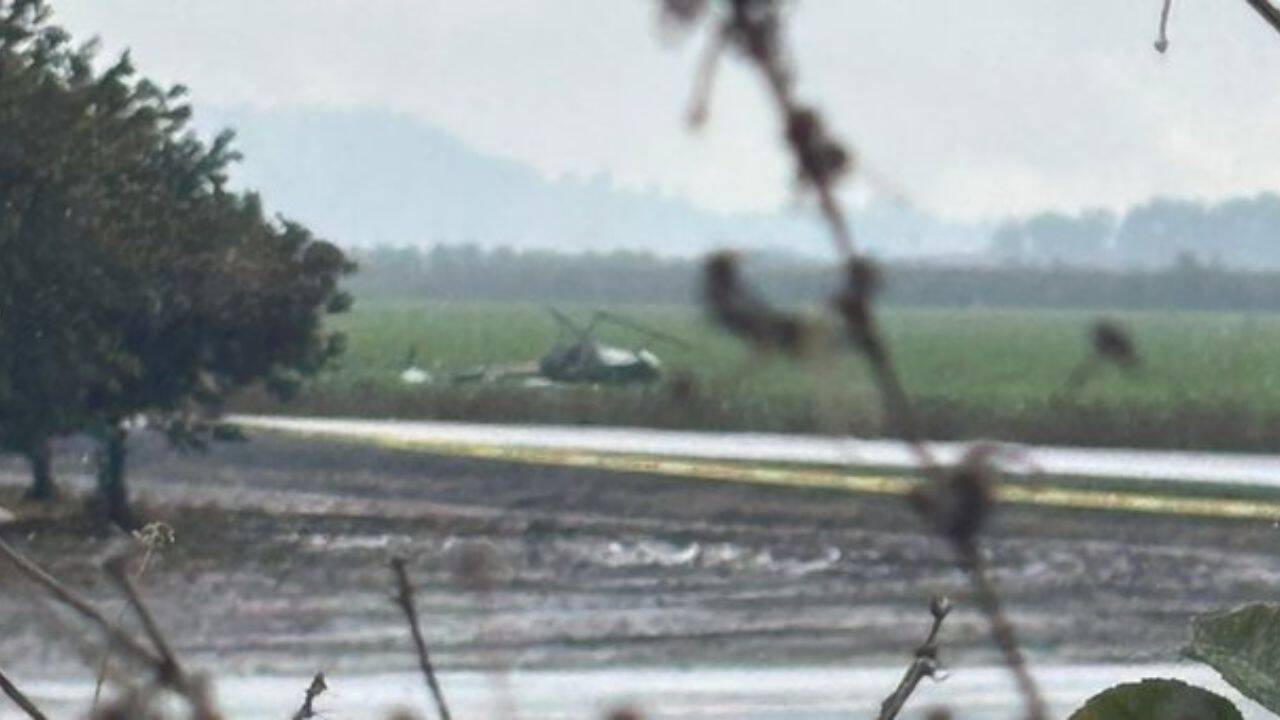
The concrete rupture in the safety record of the region's aviation sector is the mid-air collision of two helicopters near an Oregon airport, resulting in the deaths of three individuals. This tragic event underscores the inherent risks associated with helicopter operations in congested airspace, where the margins for error are slim. The collision has immediate and severe consequences for the victims' families and the local community, who are left to grapple with the loss of life and the questions surrounding the cause of the accident. The incident also raises urgent concerns about the safety of air travel in the region, particularly for those who rely on helicopter services for transportation and emergency response.
The underlying tension in this incident is the balance between the operational demands of the aviation industry and the need for rigorous safety protocols. Helicopter operations are often conducted in close proximity to airports and other aircraft, requiring precise coordination and communication between pilots and air traffic control. The collision suggests a breakdown in this coordination, whether due to human error, technical failure, or systemic issues in air traffic management. This institutional friction is not unique to Oregon but is a challenge faced by aviation authorities worldwide, particularly in regions with high volumes of helicopter traffic. The incident will likely lead to a thorough review of existing safety measures and a push for stricter regulations to prevent similar accidents in the future.
The downstream casualties of this collision extend beyond the immediate loss of life to the broader aviation community and the public. The incident will likely lead to increased scrutiny of helicopter operators and air traffic control systems, potentially resulting in stricter oversight and higher operational costs. For the public, the tragedy serves as a stark reminder of the risks involved in air travel and the importance of maintaining high safety standards. The tangible outcome is a renewed focus on aviation safety and a call for improved communication and coordination among all stakeholders in the aviation sector. The long-term impact will depend on the findings of the investigation and the effectiveness of the corrective measures implemented.
Comments 0