Middle East Medical Evacuation Gaps Exposed by Recent Drone Strikes
A comprehensive military inspector general report reveals critical vulnerabilities in United States battlefield casualty evacuation protocols across the Middle East. The findings highlight how modern unmanned aerial systems continue to outpace existing trauma response frameworks.
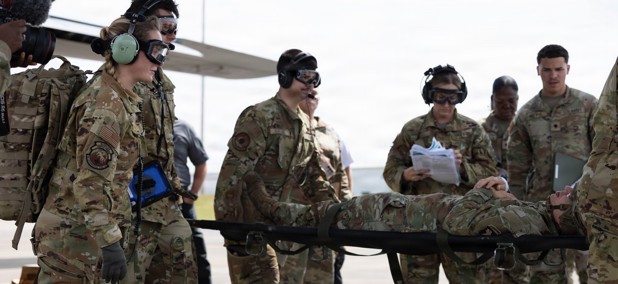
The proliferation of low-cost aerial munitions has fundamentally altered the calculus of regional defense, forcing military planners to confront stark realities regarding frontline medical logistics. Recent hostile engagements exposed severe logistical bottlenecks in transporting wounded personnel from remote outposts to advanced surgical facilities under active drone surveillance. These operational failures have reignited fierce debates among defense analysts regarding the sustainability of current troop positioning strategies in volatile theaters. Institutional inertia within military procurement cycles has historically prioritized heavy combat hardware over resilient, distributed medical support networks. Field surgeons and logistics commanders have repeatedly warned that electronic warfare jamming and localized air superiority denials render traditional helicopter-based evacuation hazardous if not impossible. The inspector general report validates these urgent warnings, documenting systemic delays in golden-hour trauma care that directly correlate with elevated morbidity rates among injured service members. The strategic fallout from these revelations forces the Pentagon to accelerate investments in autonomous casualty extraction and armored ground ambulance fleets tailored for contested environments. Regional commanders are currently mandated to redesign contingency plans, shifting away from centralized field hospitals toward decentralized, hardened medical nodes capable of operating independently under siege. Failure to bridge these operational gaps will ensure that future regional skirmishes inflict disproportionately higher human tolls on deployed forces.
Comments 0