Midterm Election Uncertainty Leaves Stock Market in Stalemate Amid Fiscal and AI Data Center Battles
Investors face a dual challenge as a looming government‑spending showdown and a growing contest over AI data‑center regulation create a volatile backdrop. The market's cautious posture reflects the weight of these unresolved policy fights.
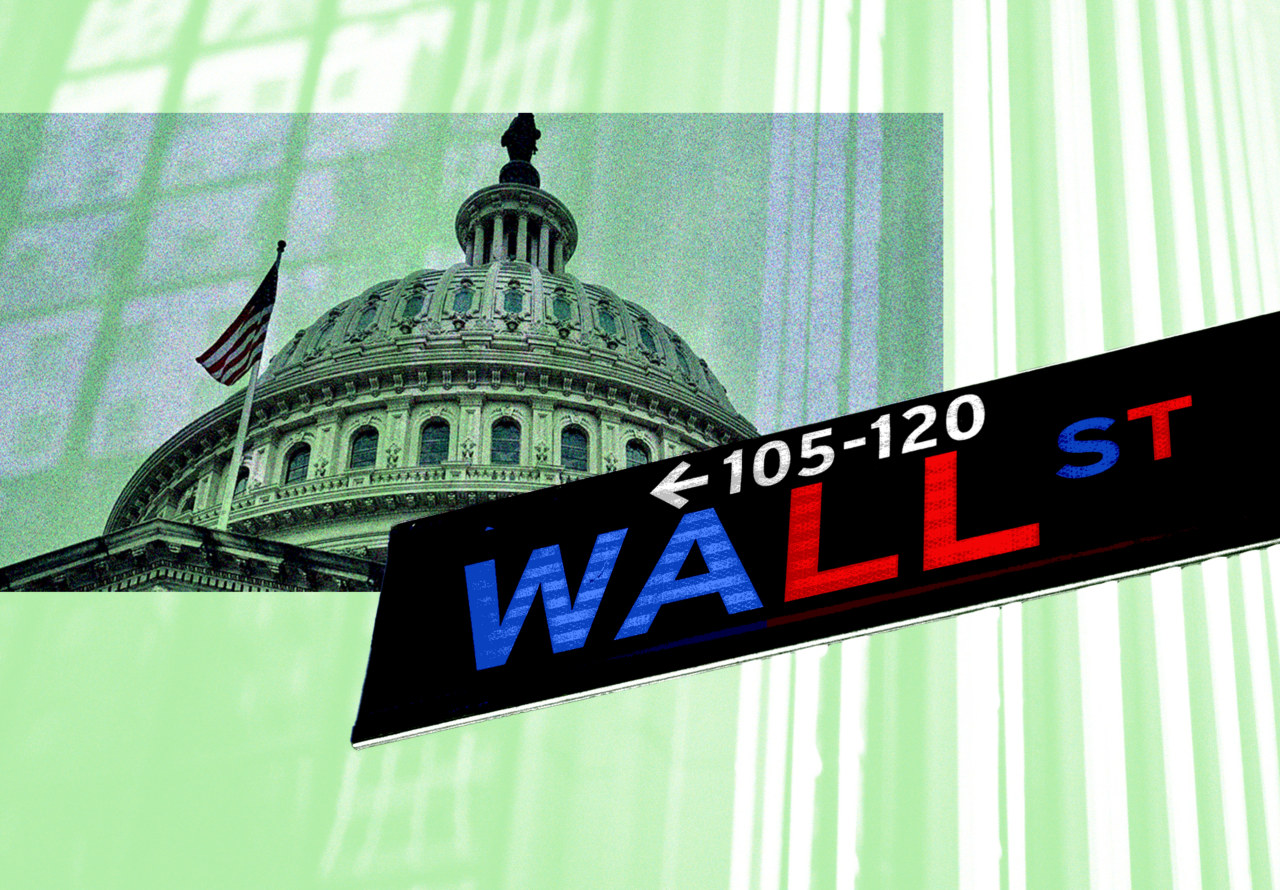
The recent analysis highlights how the stock market has settled into a pattern of cautious trading, driven by two intersecting policy disputes. On one front, lawmakers are locked in a debate over the size and timing of the next fiscal package, a contest that threatens to reshape public‑sector investment and tax policy. On the other, a coalition of legislators and industry groups is pressing for stricter oversight of artificial‑intelligence data‑center projects, citing concerns over energy consumption and data sovereignty. Together, these battles have stalled the market's usual rally ahead of the midterm elections.
The underlying tension stems from divergent visions of the nation's economic trajectory. Proponents of a robust fiscal stimulus argue that increased spending will spur growth and support vulnerable sectors, while fiscal conservatives warn of ballooning deficits and inflationary pressure. Simultaneously, the AI data‑center debate pits technology firms seeking rapid expansion against regulators wary of unchecked resource use. The stalemate reflects a broader struggle to balance innovation with sustainable governance, a theme that has become increasingly prominent in legislative discourse.
The downstream effects are already manifesting in portfolio adjustments and sector rotation. Investors are reallocating capital toward defensive assets, while technology stocks tied to AI infrastructure experience heightened volatility. Companies awaiting regulatory clarity may delay capital projects, potentially slowing job creation in emerging tech hubs. Over the next twelve months, the market's direction will likely hinge on whether policymakers can forge a compromise that addresses both fiscal responsibility and the strategic importance of AI development.
Comments 0