Midterm Shift Prompts Analysts to Forecast Direct US Trade Pressures on India
An unfavorable midterm election outcome for the ruling administration in Washington may accelerate bilateral trade negotiations. Economic analysts suggest executive authority will be leveraged to push New Delhi toward a quick agreement.
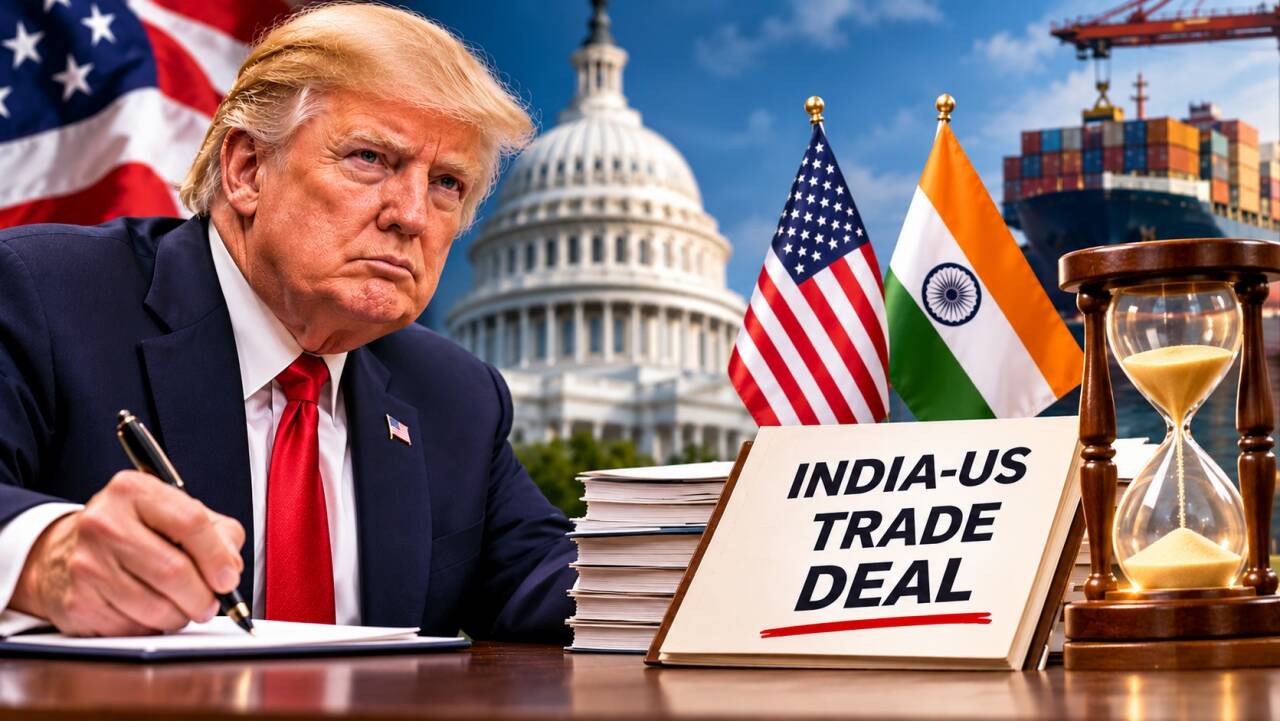
The unexpected political realignment resulting from the recent United States midterm elections has altered the domestic calculus for the presidential administration, creating new imperatives for foreign economic policy. According to recent trade policy assessments, the loss of legislative momentum on Capitol Hill will likely drive the executive branch to rely heavily on unilateral authorities to secure international victories. Bilateral trade pacts, particularly with large emerging markets like India, emerge as primary candidates for accelerated negotiation.
For months, trade discussions between Washington and New Delhi have moved at a measured pace, bogged down by disagreements over market access, agricultural tariffs, and digital data regulations. However, the domestic political constraints now facing the American president create an incentive to project diplomatic momentum abroad. Policy groups indicate that the administration may adopt a transactional approach, utilizing executive leverage to extract concessions or finalize a limited trade arrangement before domestic political opposition hardens further.
The downstream implications for Indian policymakers involve balancing the temptation of preferential market access against domestic protectionist demands in sensitive sectors like dairy and agriculture. New Delhi must navigate these external pressures while managing its own strategic autonomy objectives in international forums. Ultimately, a rushed trade accord could introduce regulatory friction, forcing industries on both sides to adapt swiftly to hastily constructed tariff structures.
Comments 0