Militarized Urban Architecture Proposed for Capital District
Plans for a heavily fortified security arch featuring sniper positions and drone surveillance spark intense debate over civil liberties. Critics argue the project militarizes civilian spaces, while proponents insist heightened protection is paramount.
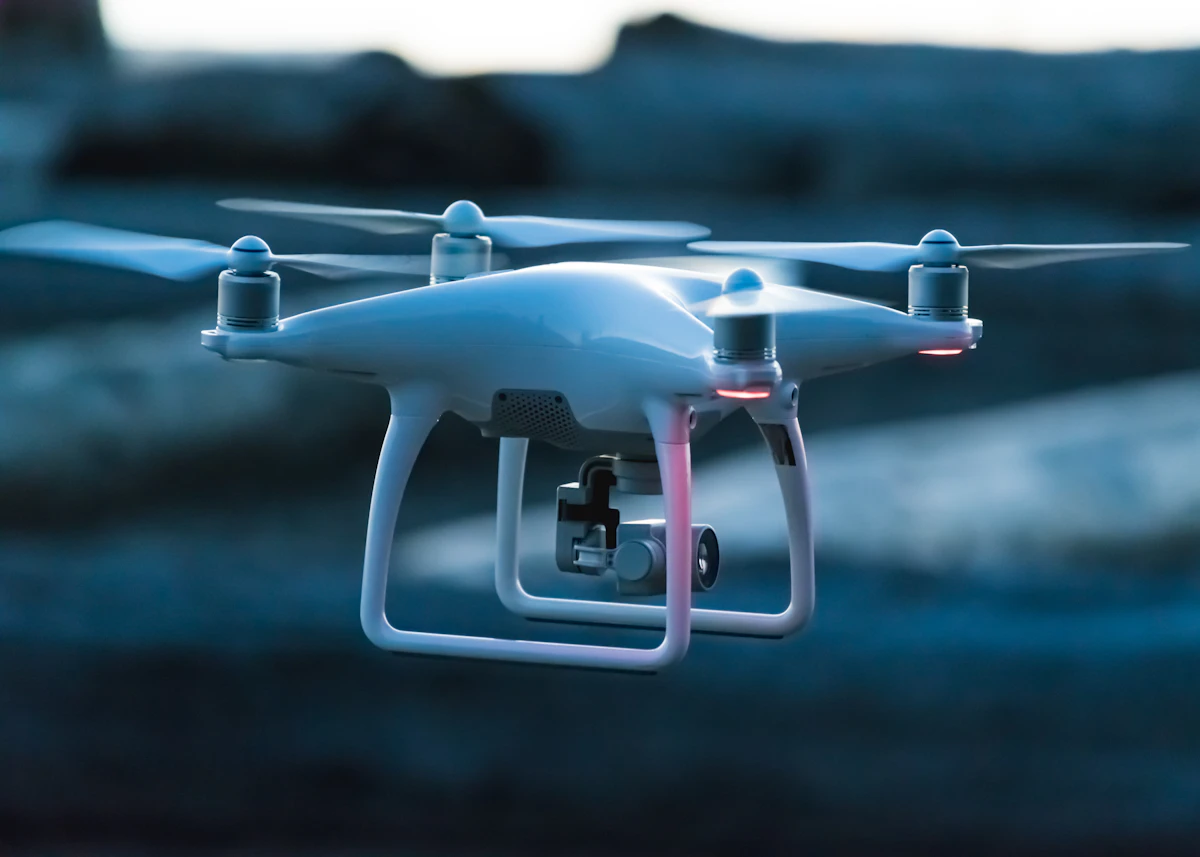
The physical geography of the capital region confronts a radical transformation following proposals to construct a heavily fortified monumental arch equipped with active military countermeasures. Envisioned as a defensive bulwark, the structure is slated to incorporate automated drone surveillance grids and elevated sniper nests. This design philosophy signals a profound shift toward embedding battlefield security protocols directly within the civilian urban fabric. Urban planners and civil rights advocates have raised immediate objections regarding the normalization of military hardware in municipal environments. The integration of lethal defensive capabilities into public architecture blurs the historic constitutional distinction between domestic law enforcement and military operations. Officials pushing the project maintain that contemporary security threats necessitate extreme architectural hardening, dismissing public concerns as naive nostalgia for a bygone era of open governance. Tangible outcomes of this initiative include skyrocketing property acquisition costs, prolonged civil litigation, and the permanent alienation of residents from their own public squares. As heavy construction begins, the character of the urban center undergoes a quiet metamorphosis from a democratic gathering place into a garrisoned enclave. The long-term architectural legacy will serve as a physical monument to permanent emergency governance.
Comments 0