Mobile PLI Scheme Generates Rs 25,000 Crore in Taxes and Promises Twelve Lakh Jobs
The production‑linked incentive programme has already yielded substantial fiscal receipts and projected employment on a massive scale. The announcement has intensified competition among states to attract manufacturing hubs.
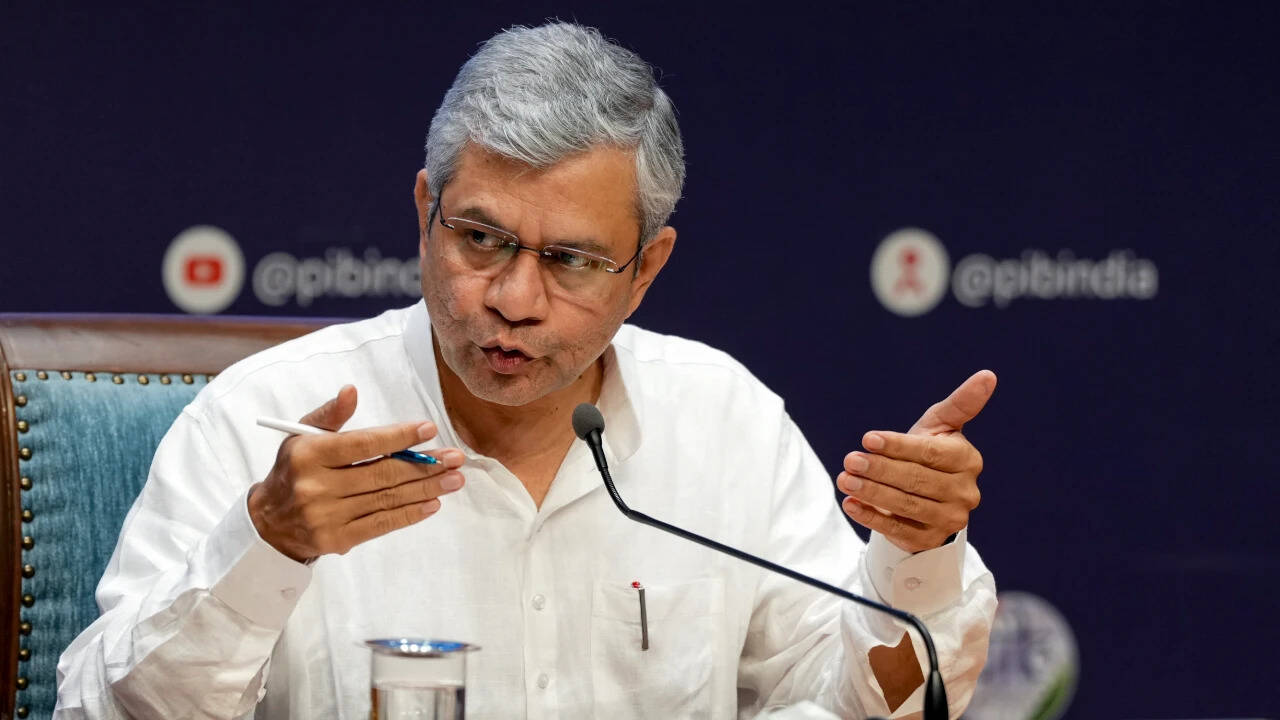
The concrete rupture materialised when the Union Minister of Commerce, Piyush Goyal, disclosed that the mobile phone manufacturing incentive scheme has amassed Rs 25,000 crore in direct tax collections and is projected to create twelve lakh jobs across the country. The figures were derived from the first two years of the scheme, during which participating firms expanded assembly lines, sourced components domestically, and benefitted from subsidies tied to output thresholds. The announcement underscored the government’s ambition to position India as a global hub for mobile device production.
Underlying tension revolves around the allocation of incentives and the readiness of state governments to provide requisite infrastructure. Several states have entered a bidding war, offering land, power subsidies, and streamlined clearances to lure manufacturers, while others caution that excessive fiscal concessions could strain their budgets. Industry observers note that the scheme’s success hinges on the stability of global supply chains, especially for semiconductors, and on the ability of Indian firms to meet quality standards demanded by international brands.
The downstream casualties and tangible outcomes are already shaping labour markets and regional economies. Regions that secure large contracts are witnessing a surge in skilled‑labour recruitment, prompting vocational institutes to expand curricula in electronics and supply‑chain management. Conversely, states that lag in offering incentives risk losing potential investment, widening regional disparities. In the longer term, the programme is expected to reduce India’s reliance on imported devices, improve trade balance, and stimulate ancillary sectors such as logistics and component manufacturing.
Comments 0