Modi and Trump Set for Manila Summit: A Strategic Pivot in Indo-Pacific Dynamics
The anticipated meeting between Prime Minister Modi and President Trump in Manila signals a renewed alignment between the two largest democracies in the region. This diplomatic engagement aims to solidify a counterweight to Chinese influence in the Indo-Pacific.
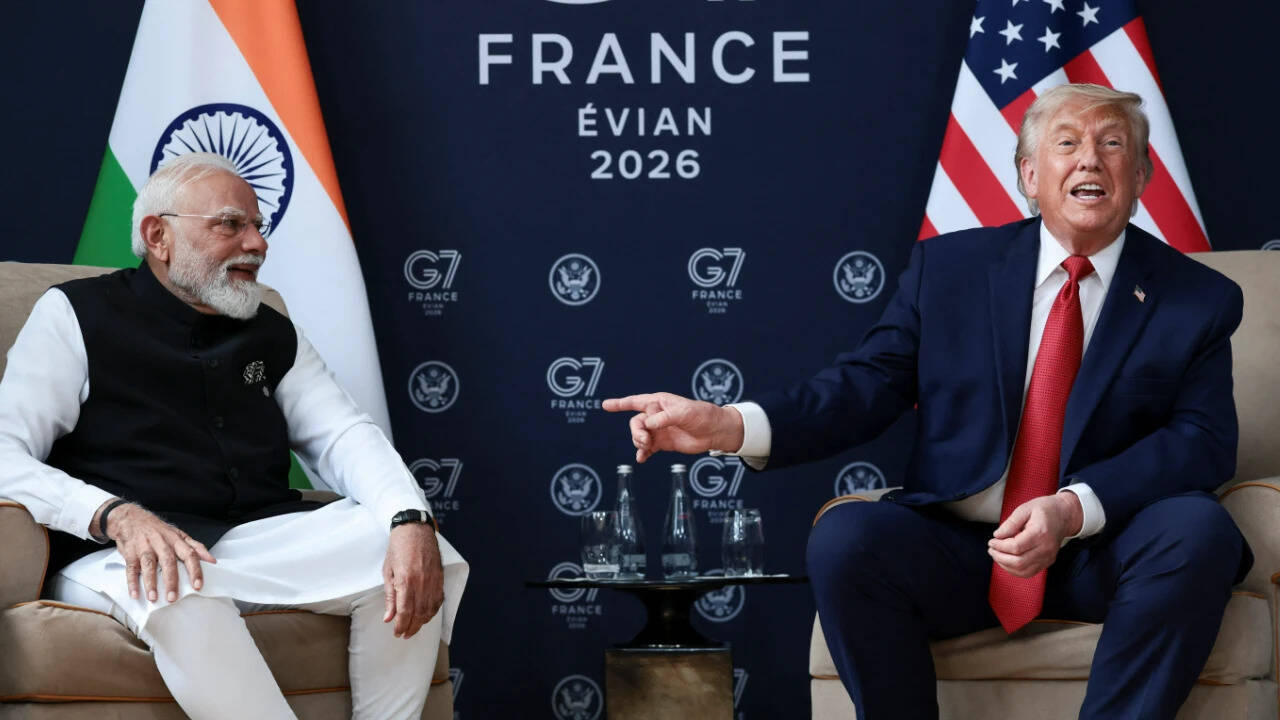
The scheduled meeting between Indian Prime Minister Narendra Modi and US President Donald Trump in Manila represents a critical juncture in the evolving geopolitical architecture of the Indo-Pacific. This is not a routine diplomatic courtesy; it is a strategic recalibration aimed at reinforcing the bilateral partnership at a time of heightened regional tensions. The choice of venue, the Philippines, underscores the shared concern regarding maritime security and the need for a coordinated response to assertive behaviors in the South China Sea.
The underlying tension driving this summit is the growing competition between the US and China for influence in Asia. Institutional friction exists between the desire for strategic autonomy and the need for security guarantees, a balance that India has historically struggled to maintain. However, the current administration in Washington appears willing to engage in a more transactional yet robust partnership, offering security assurances in exchange for India's alignment on trade and technology issues. This shift reflects a pragmatic recognition that countering Chinese hegemony requires the active participation of its largest neighbor.
The downstream impact of this summit will be felt across multiple sectors, from defense procurement to technology supply chains. A strengthened Indo-US axis could lead to accelerated defense collaborations, including joint development of advanced weaponry and intelligence sharing. For the broader region, this alignment may embolden other nations to seek closer ties with the US, potentially fragmenting the regional order into competing blocs. The tangible outcome is a more secure but also more polarized Indo-Pacific, where diplomatic alliances are increasingly defined by strategic utility rather than historical ties.
Comments 0