Modi’s Appeal to Shun Gold Purchases Sends Ripples Through Global Markets
Finance Minister Piyush Goyal relayed the prime minister’s request that citizens curb gold buying, prompting an immediate dip in international gold prices. The episode underscores the sensitivity of commodity markets to policy signals from India, the world’s largest consumer of the metal.
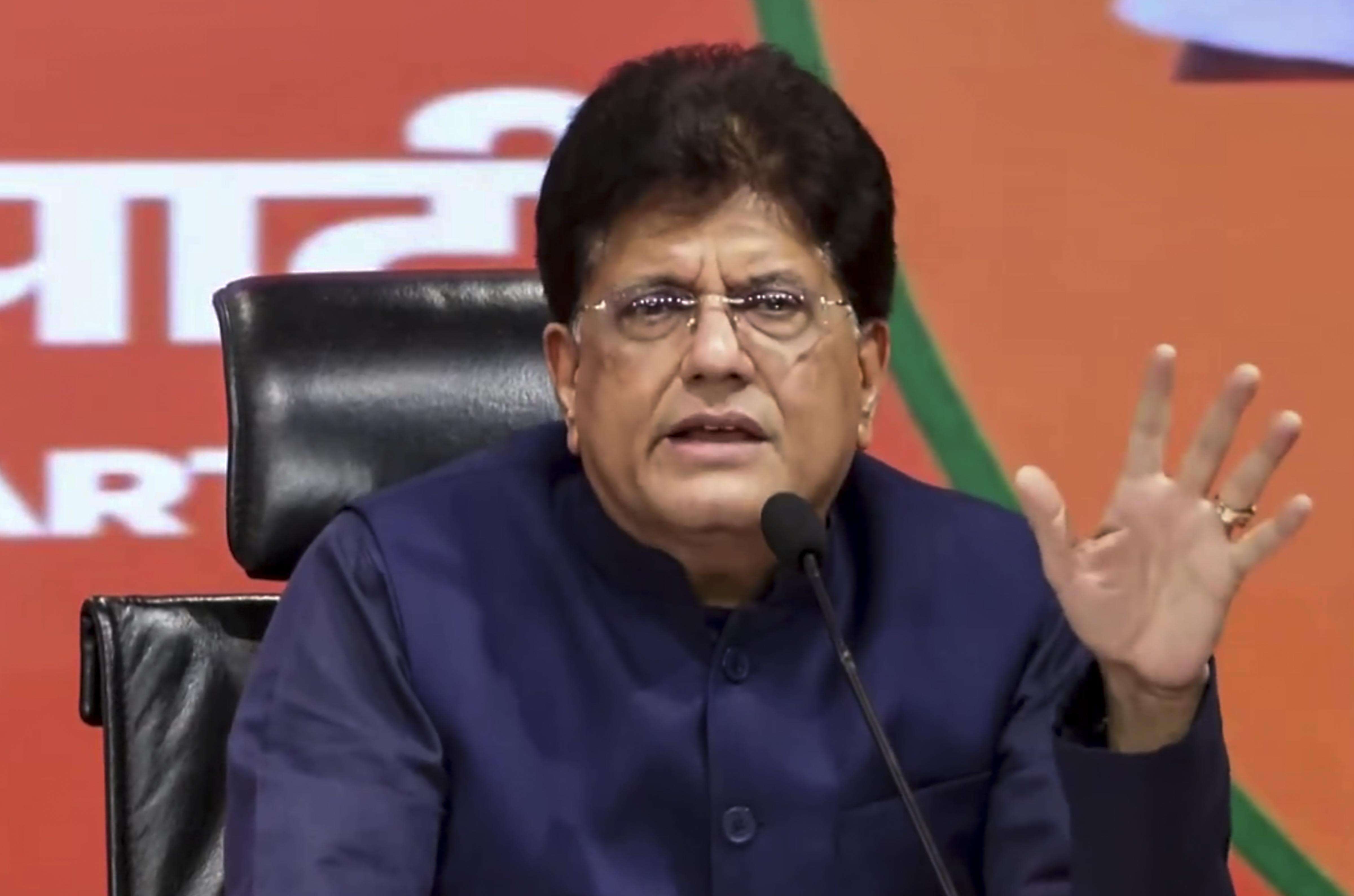
During a televised interview, the finance minister conveyed Prime Minister Narendra Modi’s plea for households to postpone new gold acquisitions, citing concerns over the trade deficit and foreign exchange reserves. Within hours, spot prices on major exchanges fell by a noticeable margin, and analysts noted a swift adjustment in futures contracts as traders recalibrated demand forecasts for the Indian market. The reaction was amplified by the timing of the statement, coinciding with a period of heightened volatility in precious‑metal markets.
The episode reflects a broader tension between domestic fiscal prudence and the cultural affinity for gold that pervades Indian society. While the government seeks to temper import‑driven pressure on the balance of payments, many consumers view gold as a traditional store of value, especially during festive seasons. The Reserve Bank of India has previously intervened to smooth out price swings, but the direct appeal from the prime minister adds a political dimension that can override market fundamentals.
The downstream impact may be felt in several arenas: import‑related customs revenue could see a modest decline, while domestic jewelers might experience a slowdown in sales, prompting a shift toward alternative investment avenues such as sovereign bonds. Internationally, the episode serves as a reminder that policy cues from large economies can reverberate across commodity chains, influencing price formation in markets far removed from the source of the statement.
Comments 0