Monsoon Shortfall in Maharashtra Threatens Rabi Harvest as El Niño Looms
A deficit in the monsoon season has left Maharashtra's reservoirs at critically low levels, prompting fears of inadequate irrigation for the upcoming rabi sowing. The shortfall has already triggered price spikes for staple grains across the state.
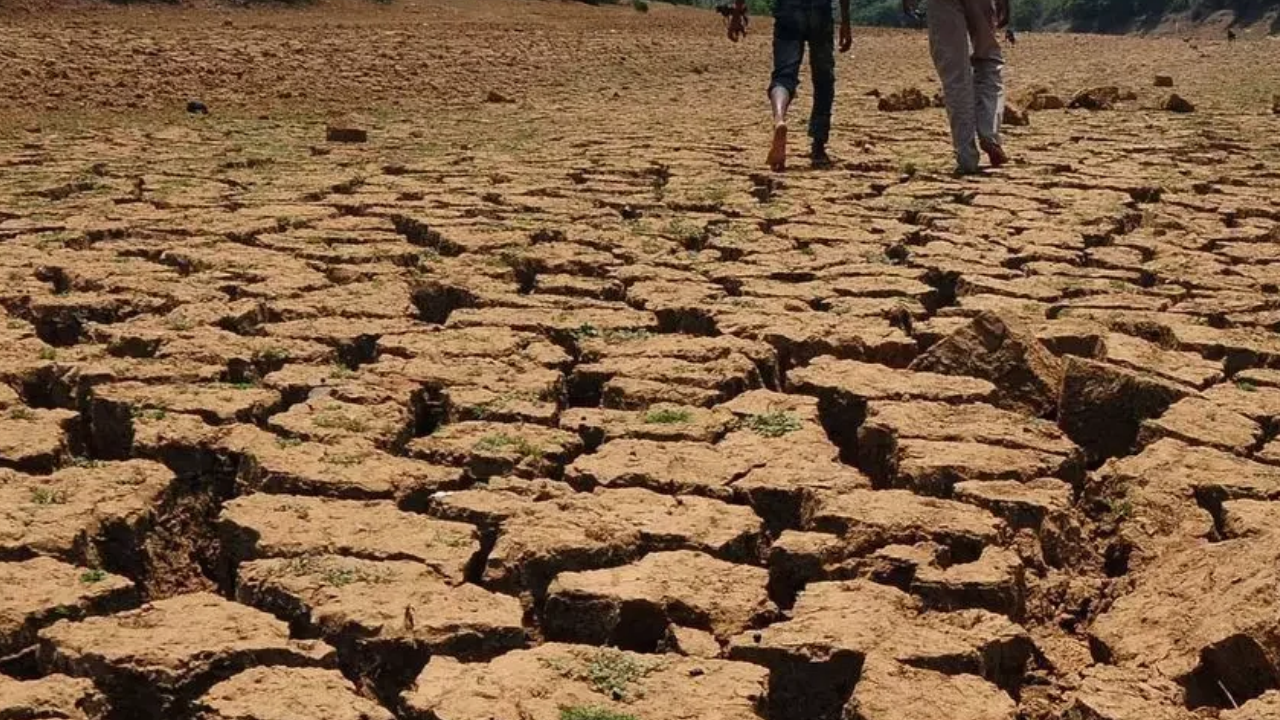
Meteorological data released this week confirmed that Maharashtra received significantly below‑average rainfall during the monsoon months, a condition compounded by the early onset of an El Niño pattern that is expected to bring warmer winter temperatures. Reservoirs such as the Jayakwadi and Bhima have recorded water levels that are insufficient to meet the irrigation demands of wheat and mustard farmers who rely on stored monsoon water for the rabi season. The agricultural department has issued advisories urging farmers to adopt water‑saving techniques and consider alternative cropping patterns.
The immediate economic impact is evident in local markets, where the price of wheat flour has risen sharply, reflecting concerns over supply constraints. Traders from neighboring states have begun to stockpile grain, anticipating a shortfall that could drive up food inflation not only in Maharashtra but also in adjoining regions that depend on its produce. Rural households, already burdened by rising input costs, now face the prospect of reduced incomes should the harvest falter.
Policy makers are under pressure to mobilise emergency water releases from the Krishna and Godavari basins, while also fast‑tracking the rollout of micro‑irrigation schemes that could mitigate the effects of future deficits. Over the next year, the state’s agricultural output may see a measurable decline, prompting a reassessment of crop insurance frameworks and prompting the central government to consider additional fiscal support for affected farmers.
Comments 0