Moscow Prolongs Fuel Curbs as Domestic Refineries Stagger Under Maintenance
The Russian government has extended its sweeping diesel export ban through October to safeguard domestic stockpiles ahead of winter. This restriction tightens global middle distillate supplies, pressuring importing economies across Europe and Asia.
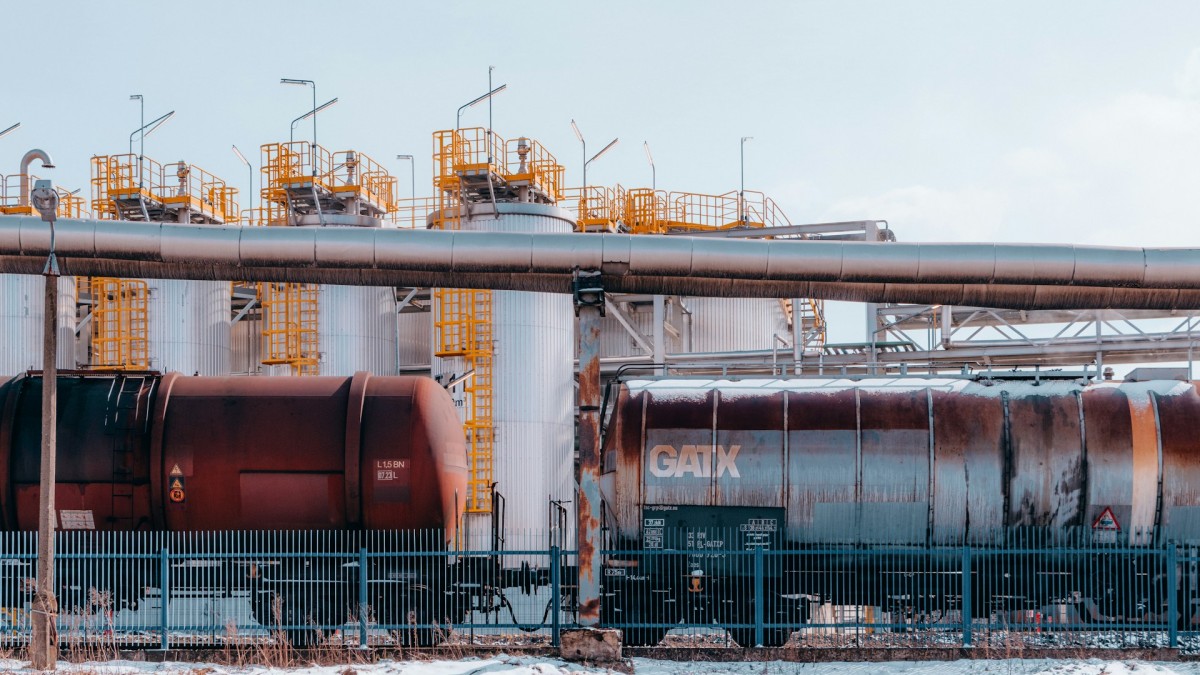
Global energy markets faced renewed friction as Moscow announced the prolongation of its diesel export prohibition through October 31. State directives, originally applied selectively, now encompass all fuel producers due to protracted refinery maintenance schedules and an acute domestic imperative to stockpile reserves ahead of the harsh heating season. The decision reflects administrative prioritization of local price stability over export revenues, sending immediate ripples through international commodity exchanges. This administrative intervention exposes structural vulnerabilities within Russia's refining sector, where aging industrial infrastructure requires constant upkeep that frequently conflicts with geopolitical supply commitments. Energy traders accustomed to relying on Russian diesel flows must now recalibrate their procurement strategies, seeking alternative refiners in the Middle East and the United States. The policy underscores how domestic political imperatives routinely override global market integration in major commodity exporting states. Downstream, the sustained absence of Russian barrels will likely inflate wholesale diesel margins, directly impacting freight, agriculture, and manufacturing sectors worldwide. Importing nations dependent on these maritime shipments face heightened price volatility just as autumn industrial demand begins to accelerate. Consequently, domestic consumers will absorb the residual cost of Moscow's energy security measures through more expensive goods and transport services.
Comments 0