Multinational Defense Pacts Face Operational Deficits as Saudi-Pakistani Military Agreement Stalls
Recent strategic defense agreements between regional powers face acute skepticism regarding actual operational commitments during active conflict zones. Observers note a stark disconnect between signed bilateral pacts and actual combat deployment in the face of Houthi security threats.
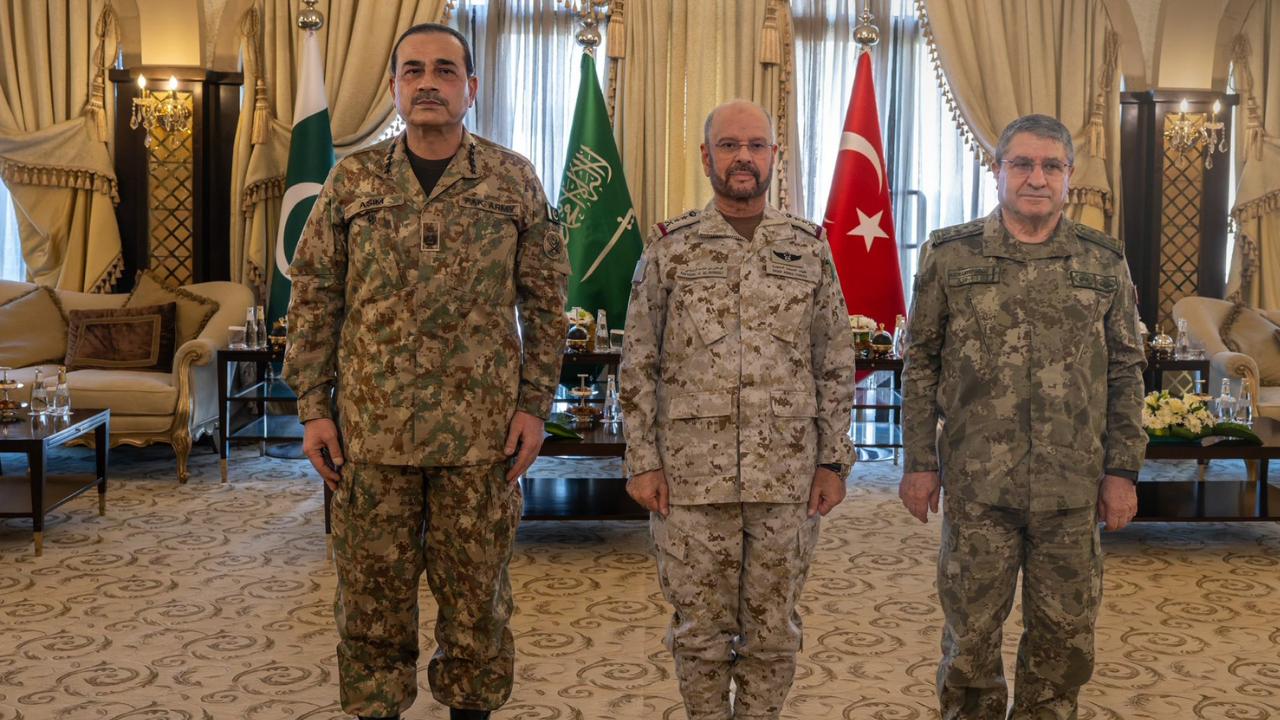
The mutual defense architecture linking Islamabad and Riyadh is undergoing a severe stress test as persistent drone and missile attacks threaten Saudi territorial integrity. Although diplomatic communiques highlight robust military cooperation and troop deployments, the precise rules of engagement remain opaque to regional analysts. This ambiguity reflects the delicate diplomatic tightrope allied nations must walk to avoid entanglements in asymmetric Middle Eastern conflicts. Domestic political pressures within contributing nations often preclude open-ended military engagements in foreign theaters, rendering formal defense treaties largely symbolic during acute crises. Military leaderships prefer advisory and logistical support roles over direct combat participation, limiting the strategic utility of such pacts for host nations. This dynamic exposes the limitations of relying on external mercenary or allied forces for domestic airspace and territorial defense. Gulf monarchies are increasingly forced to diversify their security partnerships and invest heavily in indigenous anti-missile defense manufacturing rather than relying on external allies. Meanwhile, contributing nations risk diplomatic estrangement if their financial benefactors perceive a lack of genuine battlefield reciprocity. The gap between treaty rhetoric and operational reality undermines the credibility of regional security frameworks across South Asia and the Middle East.
Comments 0