Mumbai-Ahmedabad highway gridlock: Protest causes fatal accident
A 10-hour traffic jam on the Mumbai-Ahmedabad highway, triggered by a protest in Thane, resulted in a fatal accident in Vasai. A woman on a scooter was struck by a truck while stuck in the congestion, highlighting the deadly consequences of infrastructure blockages.
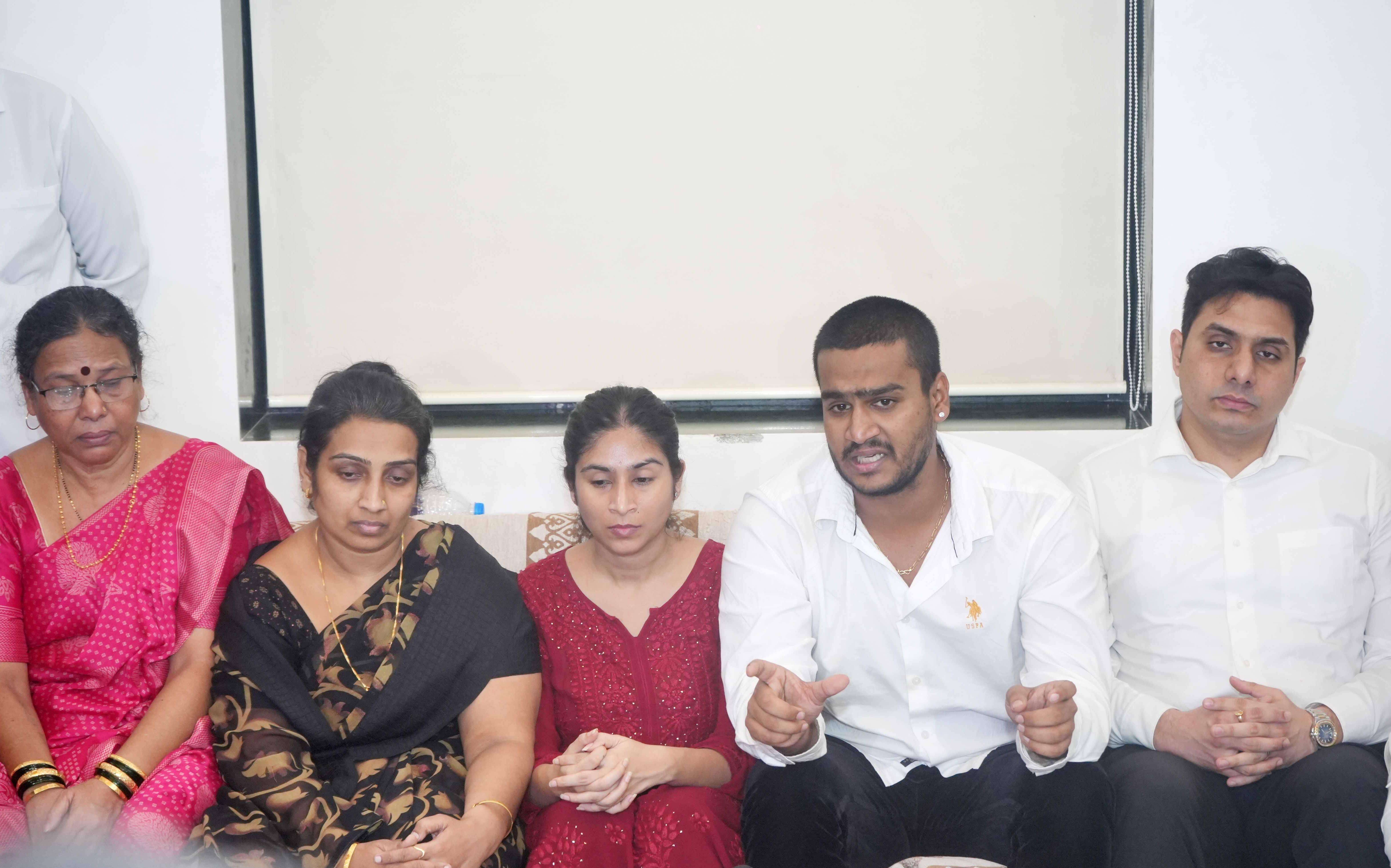
The 10-hour traffic jam on the Mumbai-Ahmedabad highway, caused by a protest in Thane, turned into a tragedy when a woman on a scooter was killed by a truck in Vasai. The incident underscores the severe risks associated with prolonged traffic congestion on major arterial roads, where drivers and pedestrians are forced into precarious situations. The protest, while a legitimate form of civic expression, had unintended and fatal consequences for those caught in the resulting gridlock, exposing the fragility of safety in India's transportation network.
The underlying tension here is between the right to protest and the public's right to safe and efficient mobility. The incident raises questions about the management of protests on critical infrastructure and the lack of adequate safety measures for those trapped in traffic jams. The institutional friction is evident in the failure to provide alternative routes or emergency access during such blockages, leaving vulnerable road users at the mercy of the situation. The tragedy highlights the need for better coordination between law enforcement, traffic management, and protest organizers.
The tangible outcome of this incident is a call for stricter regulations on protests near major highways and improved emergency response protocols for traffic jams. The downstream consequence is a potential shift in public opinion towards more controlled forms of protest, with greater emphasis on minimizing disruption to essential services. The case may lead to the implementation of new traffic management strategies and safety measures to prevent similar fatalities in the future, prioritizing the protection of life over the convenience of protest.
Comments 0