Mumbai Collects 443 Metric Tonnes of Diwali Waste
The municipal corporation reported a surge in waste collection during the Diwali period, highlighting the environmental strain of festive celebrations. The data has spurred calls for stricter waste‑management policies in the city.
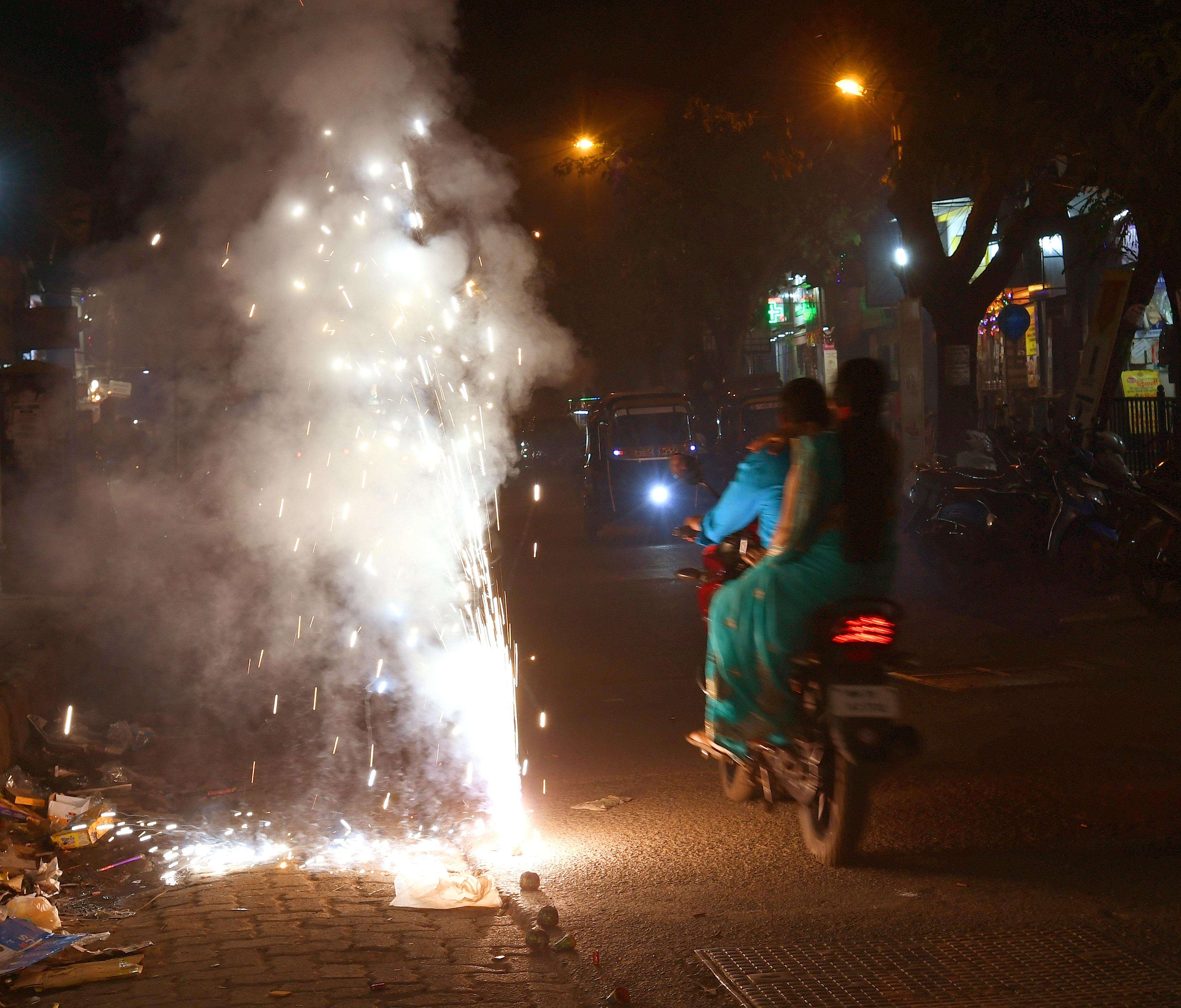
During the five days surrounding Diwali, the Brihanmumbai Municipal Corporation recorded the removal of 443 metric tonnes of waste, encompassing firecracker debris, gift‑box packaging, and other remnants of the festival. This unprecedented volume underscores the environmental toll of celebratory customs that generate large quantities of non‑biodegradable material. City officials noted that the surge strained existing collection infrastructure, prompting the deployment of additional trucks and temporary processing sites to prevent illegal dumping.
The municipal response has been accompanied by a public awareness campaign urging residents to adopt greener practices, such as using eco‑friendly fireworks and recycling packaging. Environmental NGOs have seized the moment to advocate for policy reforms, including stricter licensing for firecracker manufacturers and incentives for waste segregation at the household level. The corporation's data has also been shared with state authorities, who are evaluating the feasibility of imposing fines for non‑compliance with waste‑disposal regulations.
The longer‑term implications involve a potential shift in civic behavior and regulatory frameworks. If the heightened scrutiny persists, manufacturers may be compelled to redesign products with recyclable components, while consumers could become more conscious of the ecological footprint of their celebrations. Over the next year, the city may witness a measurable reduction in festival‑related waste if these initiatives gain traction, setting a precedent for other Indian metros.
Comments 0