Mumbai Court Sends Eleven Accused in Tiger Shroff Shooting to Police Custody, Invokes MCOCA
A Mumbai magistrate ordered that all eleven individuals charged in the Tiger Shroff firearm incident, including two women, remain in police custody until early November, invoking the Maharashtra Control of Organised Crime Act. The decision underscores heightened legal scrutiny of celebrity‑related violence.
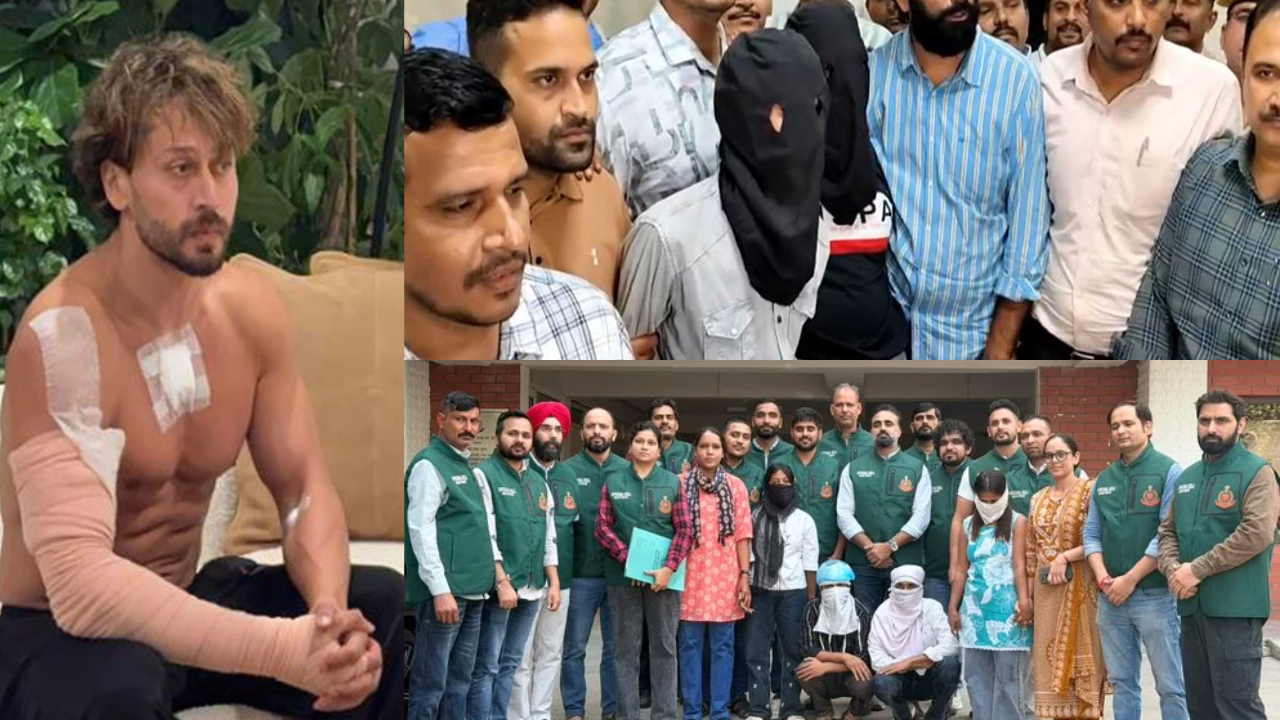
The concrete rupture materialised when the court, responding to a petition by the prosecution, ruled that the accused could not be released on bail, citing the seriousness of the alleged offences and the potential for tampering with evidence. By applying MCOCA, the judiciary signalled that the case transcended ordinary criminal conduct, suggesting the presence of organized elements or a broader network that facilitated the illegal discharge of a firearm during a public event involving the Bollywood star Tiger Shroff.
Underlying tension revolves around the intersection of celebrity culture, law enforcement capacity, and public perception of safety. The incident has ignited debate over the adequacy of security protocols at high‑profile gatherings and the influence of powerful individuals on investigative processes. Moreover, the invocation of MCOCA raises questions about the threshold for deploying anti‑organized crime legislation in cases that may involve a mixture of personal vendettas and opportunistic criminality, potentially setting a legal benchmark for future high‑visibility prosecutions.
The downstream casualties are likely to include a more cautious approach by event organisers in securing venues, heightened scrutiny of celebrity entourages, and a possible chilling effect on the willingness of witnesses to cooperate. Additionally, the legal precedent of employing MCOCA in a case tied to the entertainment industry may encourage prosecutors to pursue harsher charges in similar incidents, thereby reshaping the of criminal accountability for public figures and their associates.
Comments 0