Mumbai mangrove cover shrinks 17.41% in 18 years, study warns of threat to coastal biodiversity, concerns over fish breeding habitats
A new study shows that Mumbai's mangrove cover has fallen by 17.41% over the past 18 years. The loss threatens coastal biodiversity and fish breeding habitats that support local livelihoods.
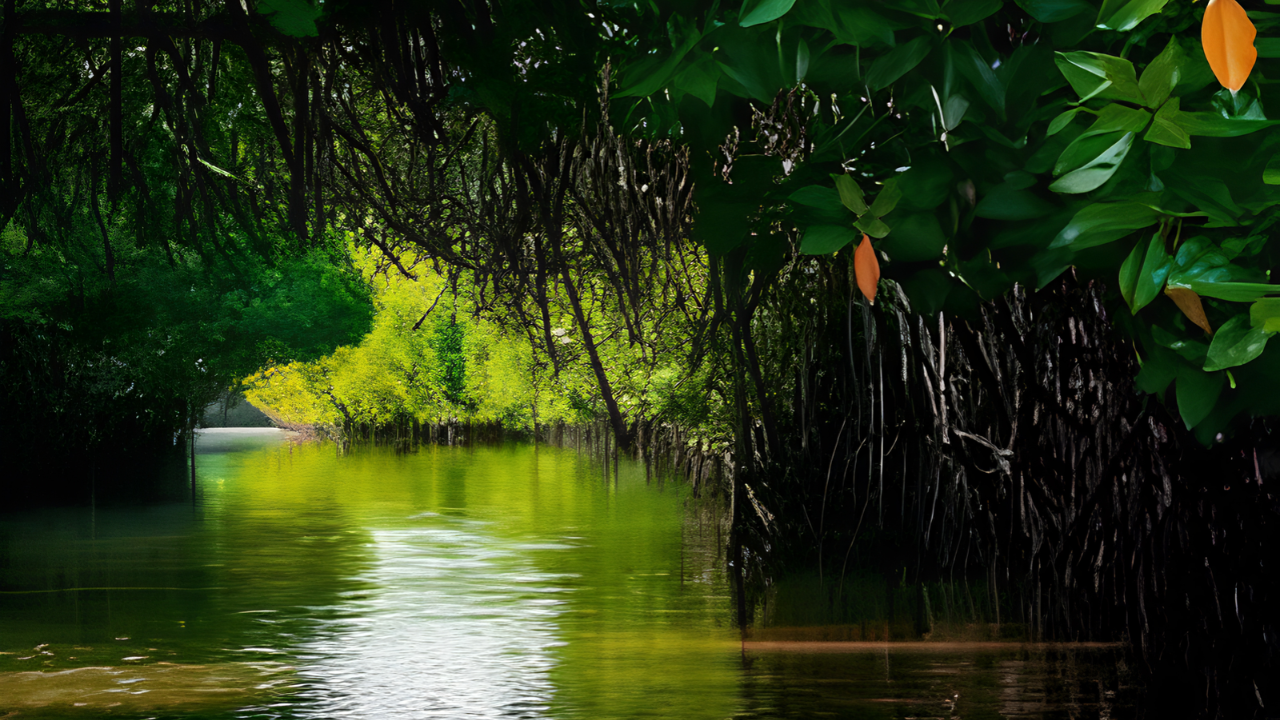
Researchers analysing satellite imagery and field surveys have found that the area of mangroves surrounding Mumbai has contracted by 17.41 percent since the late 1990s. The study, conducted by a consortium of environmental institutes, compared historic maps with recent data to quantify the reduction in green cover. The authors point to rapid urban expansion, illegal encroachment and pollution as the primary drivers of the decline, noting that many mangrove patches have been cleared to make way for housing, industrial zones and infrastructure projects.
Mangroves serve as a natural buffer against storm surges, help trap sediments and provide a nursery for a wide variety of fish and crustacean species. Their dense root systems create sheltered environments where juvenile fish can grow before moving to open waters, supporting both commercial and artisanal fisheries. The loss of these habitats therefore poses a direct risk to the biodiversity of the Arabian Sea coast and to the income of fishing communities that rely on the productivity of mangrove‑dependent species.
The findings have prompted calls for stronger enforcement of existing protection laws and for the inclusion of mangrove restoration in Mumbai's urban planning agenda. Environmental groups argue that preserving and expanding mangrove areas could improve coastal resilience, enhance water quality and create new green spaces for city dwellers. For readers in India, the study highlights the broader challenge of balancing development with ecological stewardship, especially in rapidly growing metropolitan regions where natural ecosystems are under pressure.
Comments 0