Mumbai Scrap Godown Fire Claims Two Lives
A fire at a scrap godown in Sakinaka, Mumbai, has resulted in the deaths of two workers and injuries to four others, highlighting the persistent safety hazards in the city's informal industrial sectors. The incident has renewed calls for stricter enforcement of fire safety regulations in densely populated urban areas.
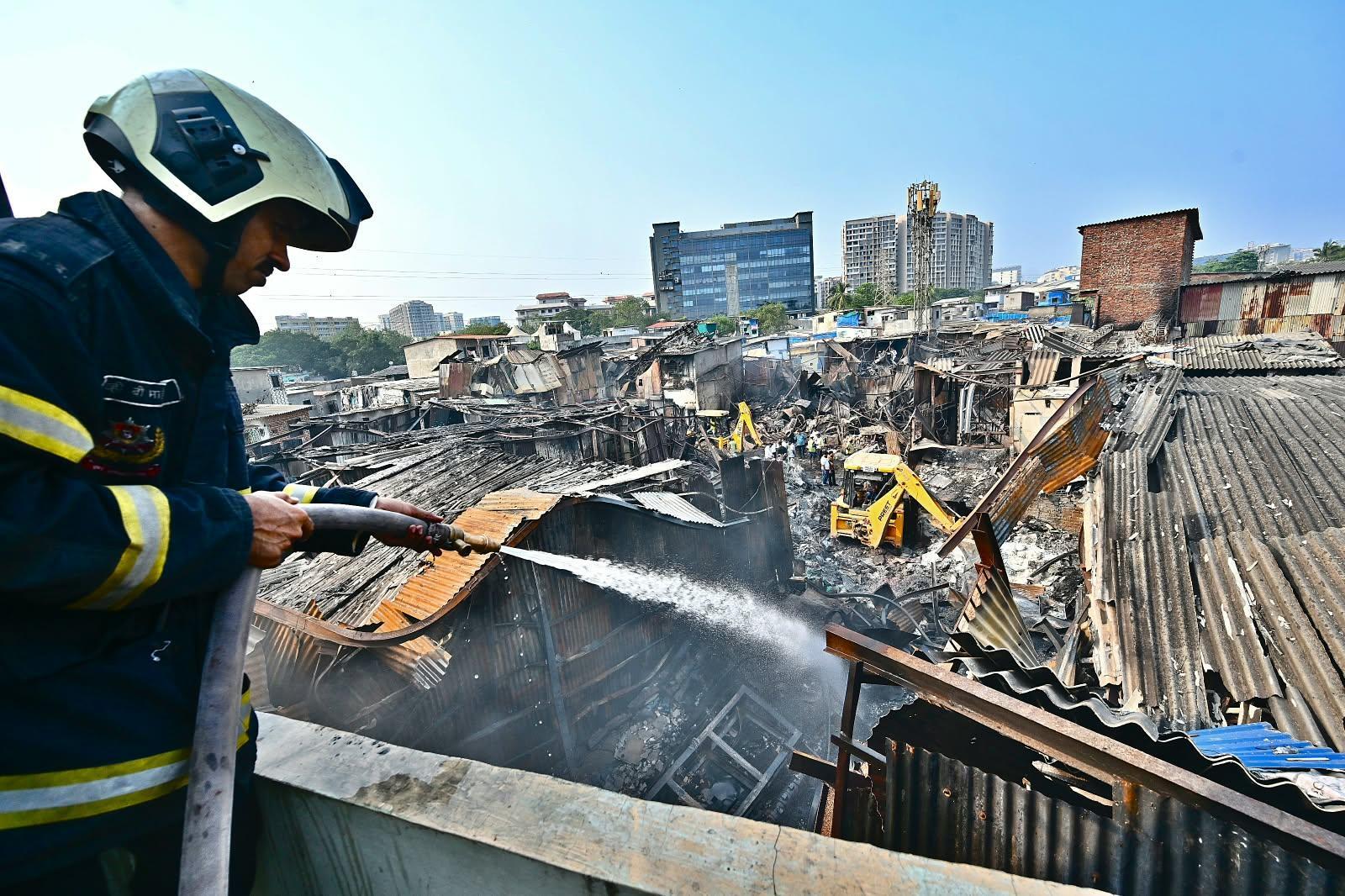
The fire at the scrap godown in Sakinaka, Mumbai, has exposed the dangerous working conditions that persist in the city's informal industrial zones. The loss of two lives and the injury of four others is a stark reminder of the human cost of inadequate safety measures in sectors that operate on the margins of the formal economy. The incident has drawn immediate attention to the lack of proper fire safety infrastructure in such facilities, where the storage of flammable materials often takes precedence over the safety of the workers.
The underlying tension in this issue is rooted in the economic pressures that drive the operation of such facilities. Scrap dealers and workers often operate in a gray area, where the cost of compliance with safety regulations is seen as a barrier to profitability. This creates a systemic failure in enforcement, where local authorities are unable or unwilling to impose strict safety standards on these businesses. The result is a cycle of neglect that leaves workers vulnerable to accidents and disasters.
The tangible outcome of this incident will be a renewed push for regulatory reform in the informal sector, with a focus on improving fire safety and worker protection. This shift will likely lead to increased inspections and penalties for non-compliance, which could have a significant impact on the operations of scrap dealers and other informal businesses. The long-term consequence is a potential reduction in the number of accidents and deaths in these sectors, as workers and business owners become more aware of the importance of safety. This development also highlights the need for a more comprehensive approach to urban safety, one that addresses the root causes of these hazards rather than merely responding to their consequences.
Comments 0