Mumbai's Aviation Shift: International Flights to Relocate to Navi Mumbai
Mumbai Airport has announced plans to transfer all flights to fourteen international destinations to the new Navi Mumbai airport, a move that will fundamentally reshape the city's aviation infrastructure. This strategic relocation aims to alleviate congestion at the existing terminal and position Navi Mumbai as a major global hub, with significant implications for logistics and urban development.
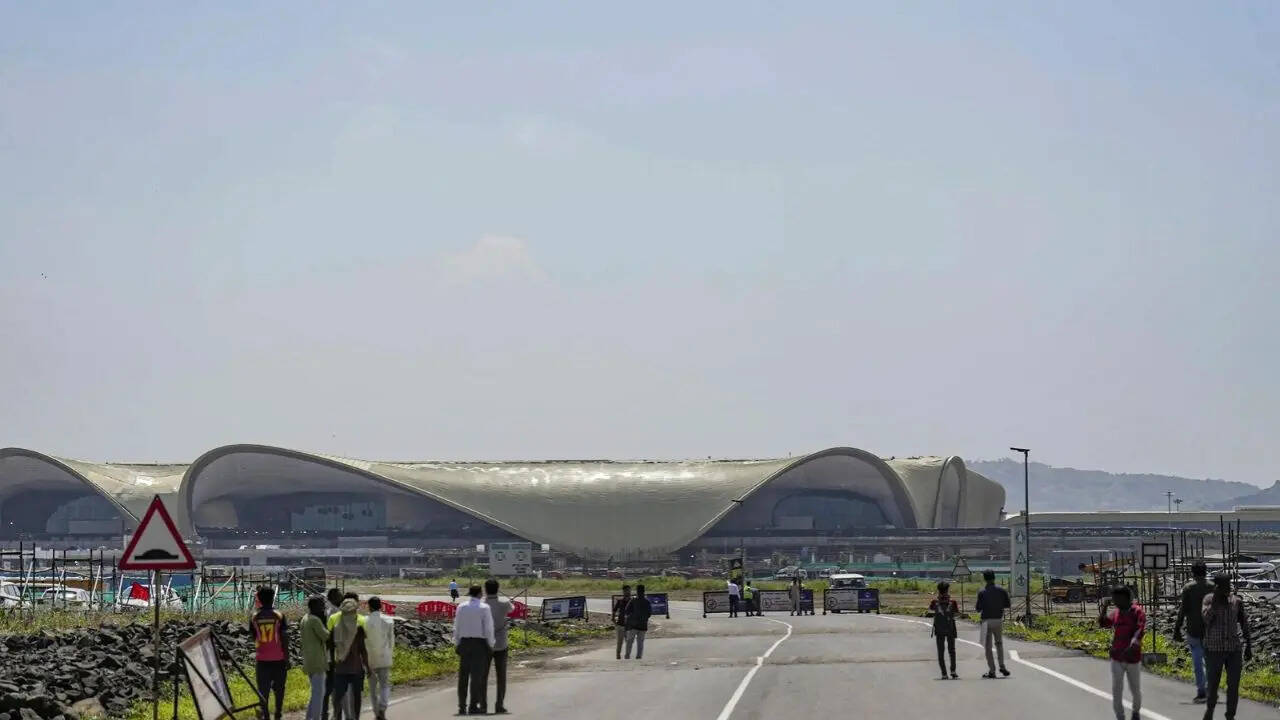
The announcement that Mumbai Airport will shift all international flights to fourteen key destinations to Navi Mumbai represents a major structural change in the city's transportation network. This move is designed to address the chronic congestion at the current terminal, which has struggled to accommodate the growing volume of international traffic. By offloading these flights to the new facility, the existing airport can focus on domestic operations, thereby improving efficiency and reducing delays. The strategic selection of fourteen international destinations suggests a careful calibration of routes that will maintain Mumbai's connectivity while leveraging the new airport's capacity.
The underlying tension in this transition lies in the logistical complexity of moving such a high volume of international traffic. The new airport in Navi Mumbai must be fully operational and equipped to handle the demands of global aviation, including customs, immigration, and cargo facilities. The success of this move depends on the seamless integration of these systems and the ability to attract airlines and passengers to the new location. There is also a significant urban planning dimension, as the development of Navi Mumbai as an aviation hub will drive infrastructure investment in the surrounding areas, potentially transforming the region's economic .
The immediate outcome of this shift will be a reduction in operational bottlenecks at Mumbai Airport, leading to improved passenger experience and increased reliability for international travelers. For the city, this move positions Navi Mumbai as a critical node in the global air network, enhancing its attractiveness for business and tourism. The downstream effects will include a boost to the local economy in Navi Mumbai, with new jobs and services emerging around the airport. This strategic relocation is a to the city's ambition to remain a leading aviation hub in the region, adapting to the changing demands of global travel.
Comments 0