Mumbai’s BEST Initiates Audit of Wet‑Lease Buses Amid Escalating Costs and Safety Concerns
The Brihanmumbai Electric Supply and Transport authority announced a comprehensive audit of its wet‑lease bus fleet, citing rising expenditures and mounting safety issues. Commuters anticipate service adjustments while the audit may trigger a restructuring of the city’s public‑transport procurement model.
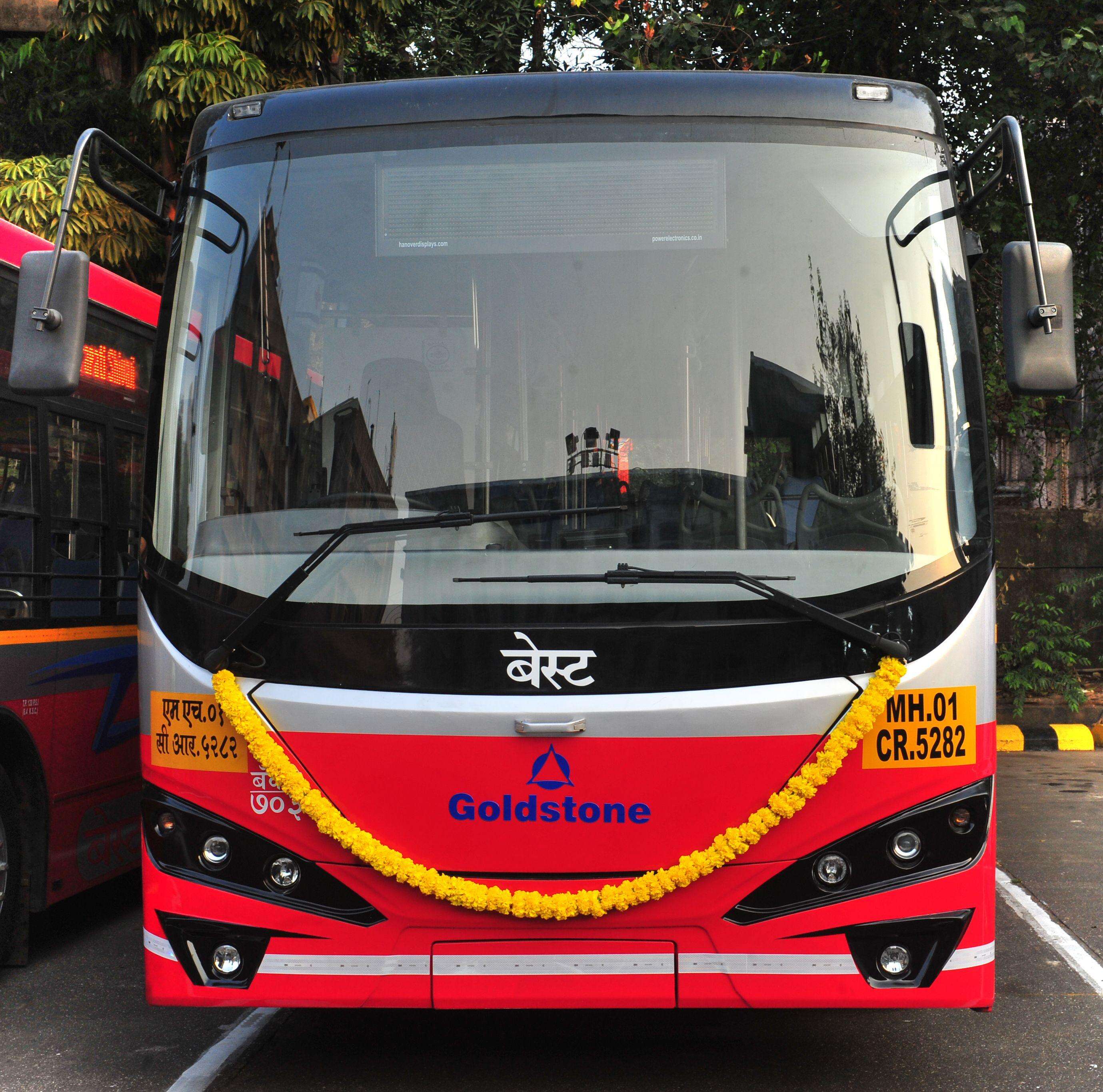
BEST officials disclosed that a task force will examine every contract associated with wet‑lease buses, scrutinising fare structures, maintenance records and compliance with safety standards. The move follows a series of incidents where hybrid buses have been reported to deteriorate in depots, leading to increased commuter wait times and public outcry. By cataloguing cost overruns and operational inefficiencies, the authority hopes to identify loopholes that have allowed private operators to profit at the expense of passenger welfare.
The audit arrives at a moment when Mumbai’s transport network is under pressure from burgeoning population growth and the city’s ambition to expand its fleet to 13,000 buses. Municipal leaders have been urged to balance fiscal prudence with the need for reliable service, especially as private operators wield considerable influence over route allocations. Stakeholders, including driver unions and consumer advocacy groups, have called for greater transparency, arguing that the current wet‑lease model undermines accountability.
Should the audit reveal systemic irregularities, it could precipitate a overhaul of procurement policies, potentially shifting BEST toward a greater reliance on directly owned vehicles or more stringent lease agreements. Such a transition may entail short‑term disruptions but could yield long‑term savings and improved safety outcomes. Moreover, the findings may serve as a template for other Indian metros grappling with similar public‑transport challenges, prompting a broader reexamination of wet‑lease practices nationwide.
Comments 0