Mumbai’s BMC Proposes Flat-Wise Waste Charges to Curb Residential Bulk Waste
The Brihanmumbai Municipal Corporation is considering a flat-wise monthly processing charge for residential bulk waste generators, aiming to incentivize waste segregation and reduce the burden on municipal systems. This policy shift represents a move towards a more sustainable and equitable model of waste management in one of India’s most densely populated cities.
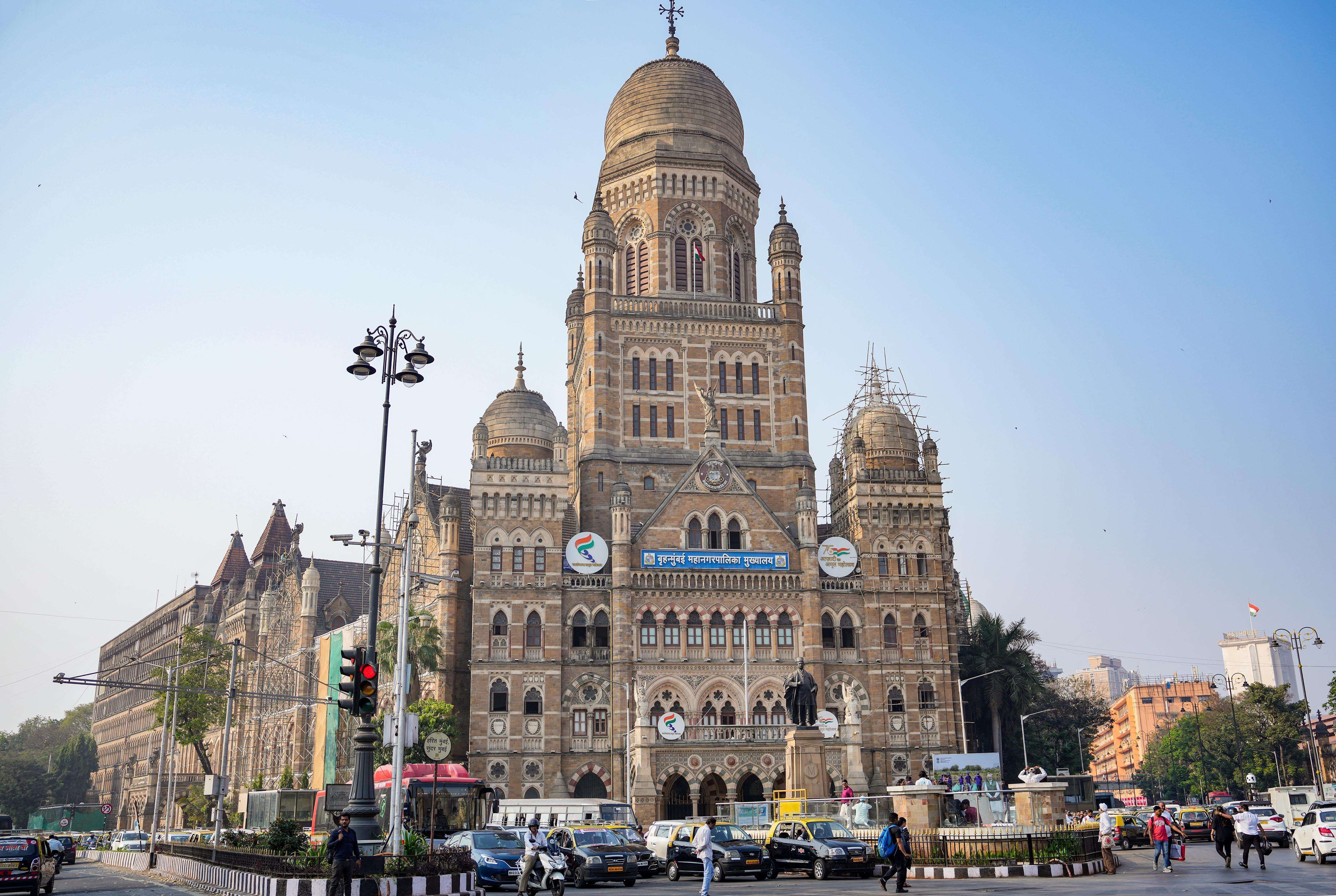
The concrete rupture is the proposed introduction of a new fee structure for waste management in Mumbai, targeting residential bulk waste generators. This move signals a departure from the traditional model of free or subsidized waste collection, shifting the financial burden to those who generate the most waste. The immediate shockwave is the potential for public resistance, as residents may view the new charges as an unfair tax, but it also represents a significant step towards a more sustainable and efficient waste management system. The proposal aims to encourage households to reduce their waste output and to segregate waste at the source, thereby reducing the volume of waste that needs to be processed by the municipal corporation.
The underlying tension involves the conflict between the financial constraints of the municipal corporation and the environmental and public health impacts of poor waste management. Mumbai’s rapid urbanization has led to a surge in waste generation, outpacing the city’s capacity to collect and process it. The institutional friction arises from the lack of a clear and consistent policy on waste segregation and the limited public awareness of the importance of reducing waste. The proposed fee structure is an attempt to address these challenges by using economic incentives to change behavior, but it also raises questions about equity and the ability of lower-income households to afford the new charges.
The downstream casualties of the current system include the environment, with increased pollution and health risks, and the municipal workers, who face hazardous working conditions. The tangible outcome of the new policy would be a reduction in the volume of waste generated and an increase in the rate of waste segregation, leading to a more efficient and sustainable waste management system. The 12-month structural consequence is the potential for a broader adoption of similar fee structures in other Indian cities, as municipalities seek to find sustainable funding models for waste management. This could lead to a national shift towards a more circular economy, where waste is viewed as a resource rather than a burden, and where the financial responsibility for waste management is shared between the government, the private sector, and the public.
Comments 0