Mumbai's first non-AC automatic-door local train arrives for safety trials, here's what changes
Mumbai’s railway network has introduced its first non‑air‑conditioned local train equipped with automatic doors for a series of safety trials. The new design promises to change the commuting experience on the city’s crowded suburban lines.
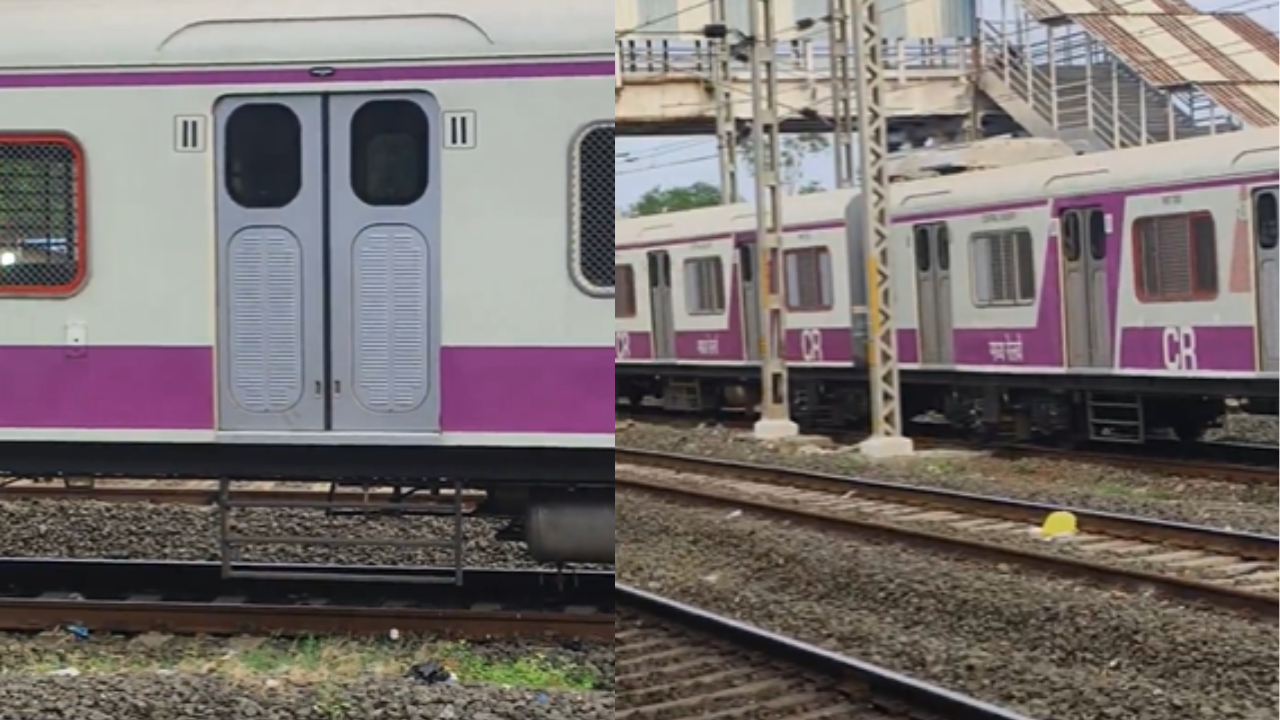
The prototype train, built by the national rail manufacturer, entered the Western Line for a controlled trial period that will assess door operation, passenger flow, and overall safety performance. Unlike traditional coaches that require manual closing of windows and rely on open doors, the new carriage features sealed compartments and sensor‑controlled doors that open only when a platform is correctly aligned. Engineers have installed visual and audible alerts to inform passengers of door status, aiming to reduce the risk of accidents that have historically occurred when commuters attempt to board or alight from moving trains.
Mumbai’s local train system carries more than seven million passengers daily, making it one of the world’s busiest commuter networks. Overcrowding, heat, and safety incidents have long been sources of public frustration, prompting the railway authority to explore modernisation options. The decision to trial a non‑AC model reflects a balance between energy consumption and passenger comfort, as air‑conditioned coaches consume significant power and can increase operational costs. By focusing on safety features such as automatic doors, the railway hopes to address the most pressing concerns while gradually introducing other upgrades based on trial feedback.
If the trials prove successful, the railway board plans to roll out additional units across other lines, potentially reshaping the daily routine of commuters throughout Maharashtra. For residents of Mumbai, the change could mean fewer injuries at stations, smoother boarding processes, and a more reliable timetable. The initiative also aligns with broader national goals to modernise public transport infrastructure, reduce accident rates, and improve the overall perception of rail travel as a safe and efficient mode of transport for the city’s growing population.
Comments 0