Mumbai's Wet-Lease Bus Drivers Stage Wage Protest, Disrupting Urban Mobility
Wet-lease bus drivers in Mumbai have protested over wage issues, prompting the Brihanmumbai Electric Supply and Transport to deploy its own staff to maintain services. This labor dispute highlights the precarious nature of the city's public transport ecosystem.
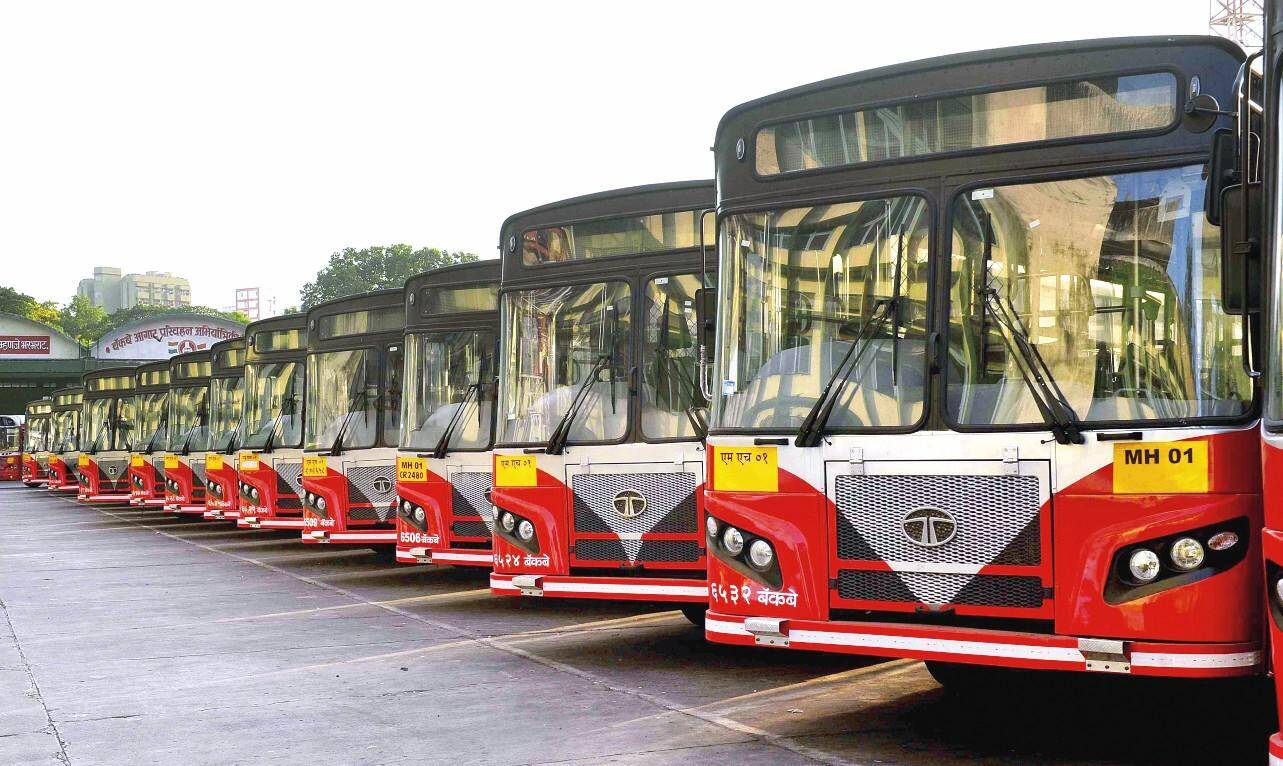
In a significant disruption to Mumbai's public transport system, wet-lease bus drivers have staged a protest over wage issues. The Brihanmumbai Electric Supply and Transport (BEST) has responded by deploying its own staff to keep services running, a move that underscores the critical importance of these routes to the city's daily life. The protest reflects the growing discontent among contract workers who feel their compensation does not match the demands of their work, particularly in a city where public transport is the lifeline for millions.
The underlying tension in this dispute is the structural imbalance in the labor market, where contract workers often face lower wages and fewer benefits than their permanent counterparts. This institutional friction has led to a cycle of protests and countermeasures, with both sides asserting their positions. The dispute also highlights the challenges faced by public transport authorities in managing a diverse workforce while ensuring service continuity and affordability for passengers.
The tangible outcome of this protest is the potential for further disruptions if the wage issue is not resolved. The deployment of BEST staff is a temporary measure that may not be sustainable in the long term, given the scale of the city's transport needs. The downstream impact will be seen in the labor relations within the public transport sector, with potential implications for future wage negotiations and the overall stability of the system.
Comments 0