Musk ordered Starlink slowdown, kept Ukraine and Trump administration in dark
Reports surfaced that Elon Musk ordered a slowdown of Starlink services, affecting Ukraine and the Trump administration, but U.S. officials denied any such directive. Defence Secretary Pete Hegseth and Secretary of State Marco Rubio each rejected the claim.
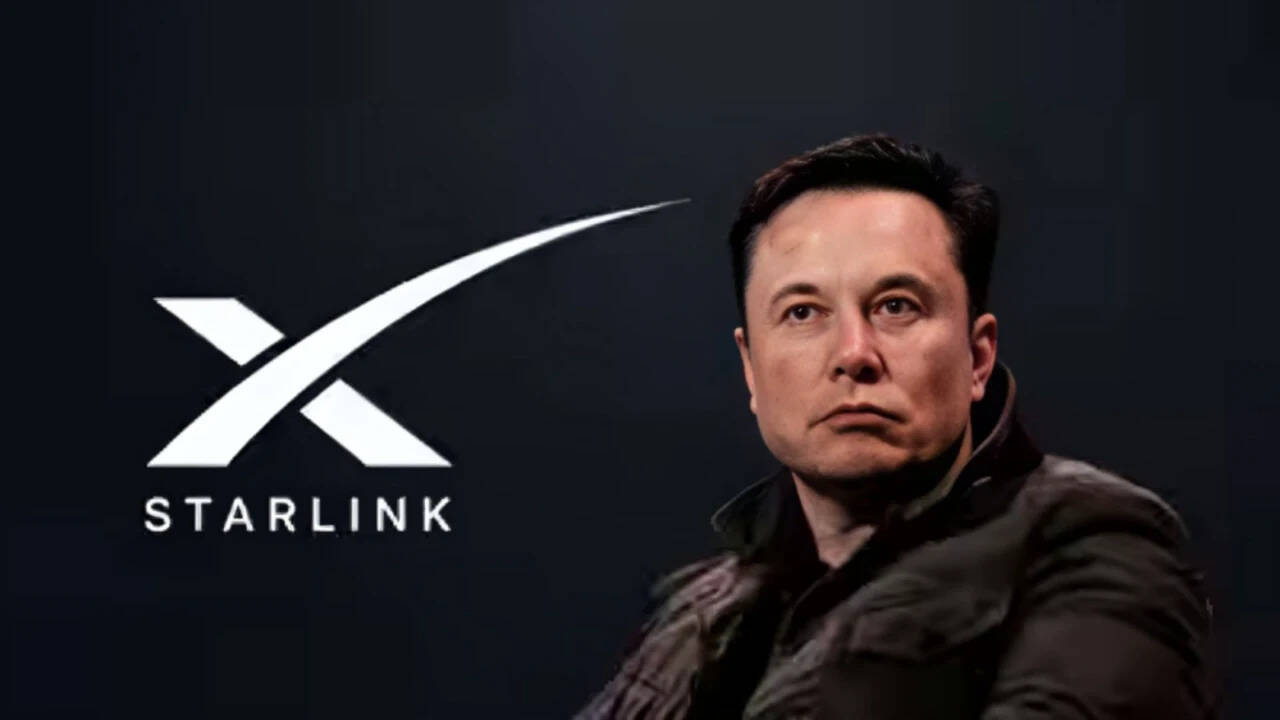
A story emerged suggesting that Elon Musk, the owner of satellite internet provider Starlink, had instructed a reduction in service speed that left Ukraine and the former Trump administration without full access. The allegation raised concerns because Starlink has been a critical communications lifeline for Ukraine during its conflict with Russia, and it has also been used by U.S. officials for secure messaging. The claim quickly attracted attention on social media and prompted inquiries from journalists seeking clarification.
In response, Defence Secretary Pete Hegseth told reporters that Washington had not issued any order to limit satellite services, emphasizing that the Department of Defense does not control private satellite operations. Similarly, Secretary of State Marco Rubio stated that the White House was not responsible for any reported disruption, underscoring that any operational changes would be decided by the company itself. Both officials stressed the importance of uninterrupted connectivity for national security and humanitarian efforts.
The episode highlights the delicate balance between private technology firms and government reliance on their infrastructure. For Indian readers, the situation is relevant because India also depends on satellite communications for remote regions and disaster response, and it raises questions about how much influence a single entrepreneur can have over critical services. The incident may prompt policymakers to consider clearer guidelines for public‑private coordination in the future.
Comments 0