Musk's Post-Midterm Reckoning: The Billionaire's Strategic Retreat
Elon Musk has publicly conceded that his financial backing of Republican candidates was excessive, signaling a significant shift in his political posture. This admission marks a rare moment of introspection for the tech mogul as he navigates the fallout from a contentious electoral cycle.
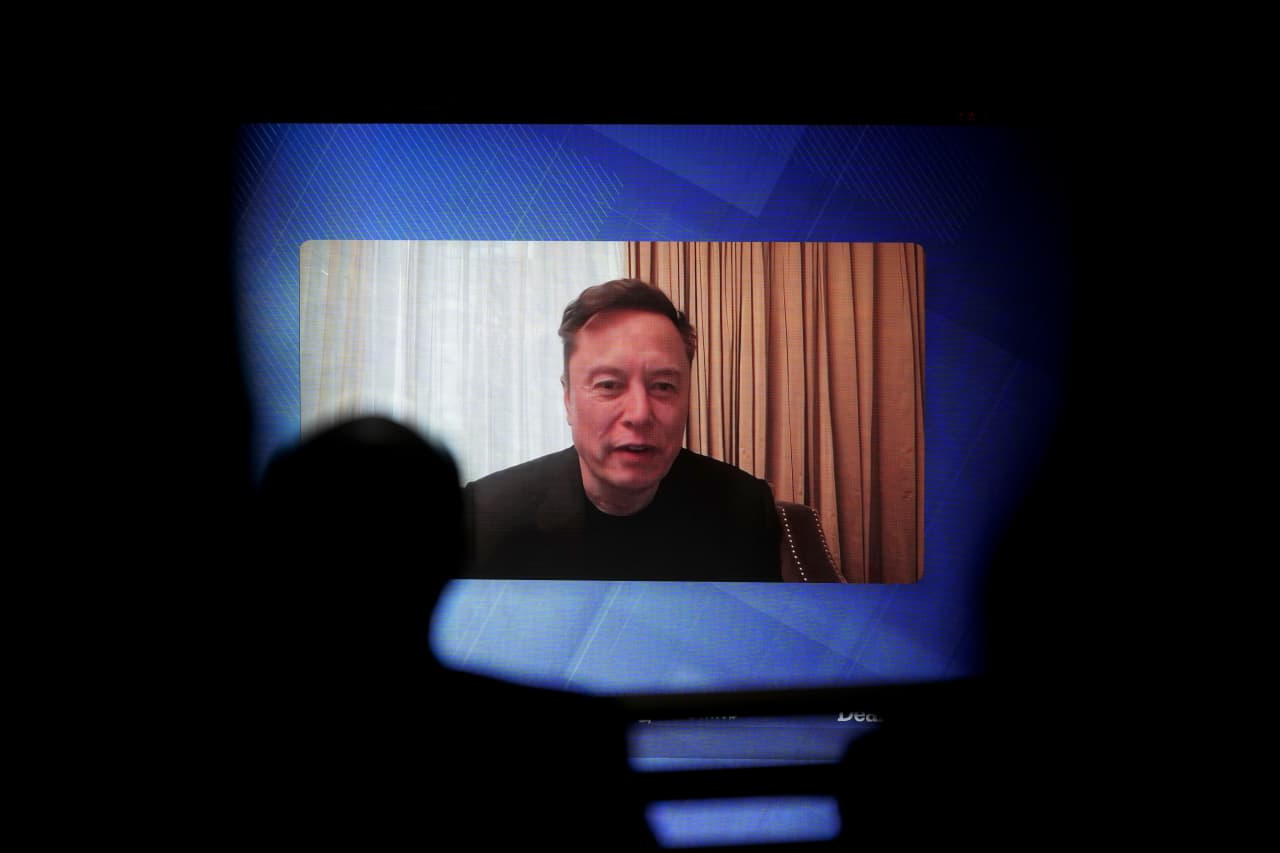
The concrete rupture in the relationship between Silicon Valley's most prominent political actor and the Republican establishment is now explicit. Elon Musk, the Tesla and SpaceX chief, has stated that he would have spent less money on Republican candidates if he could rewind the clock. This is not merely a regret over expenditure but a calculated acknowledgment that the scale of his intervention may have outpaced the strategic benefits, creating friction within the party he sought to empower. The statement serves as a public marker of a new phase in his engagement with American politics, moving from aggressive patronage to a more cautious, perhaps transactional, relationship with elected officials.
The underlying tension stems from the institutional friction between a private citizen with unprecedented wealth and the traditional machinery of party politics. Musk's direct funding of candidates and causes bypassed the usual channels of party leadership, creating a parallel power structure that many within the GOP viewed with suspicion. His recent remarks suggest an awareness that this approach, while effective in amplifying his voice, also alienated key stakeholders and complicated the narrative of the midterms. The friction is not just political but personal, as his public persona became inextricably linked to the electoral outcomes, making him a target for criticism from both sides of the aisle.
The downstream consequences of this shift are already visible in the recalibration of alliances within the tech sector and the political sphere. Other tech billionaires, who have traditionally maintained a more discreet distance from partisan politics, may now find themselves reevaluating their own strategies in light of Musk's public retreat. The immediate shockwave is a reduction in the perceived influence of tech capital on the Republican base, potentially opening space for other interest groups to fill the vacuum. For the Democratic party, this offers a tactical opportunity to court tech leaders who were previously wary of engaging with a faction dominated by Musk's ideological influence, thereby reshaping the dynamics of corporate-political relations in the United States.
Comments 0