National Bank Strike Threatens Five-Day Paralysis of Financial Channels
Banking unions have announced a nationwide strike spanning late September, potentially shuttering financial institutions for five consecutive days. This impending stoppage threatens to freeze retail credit clearing, corporate settlements, and branch operations across the country.
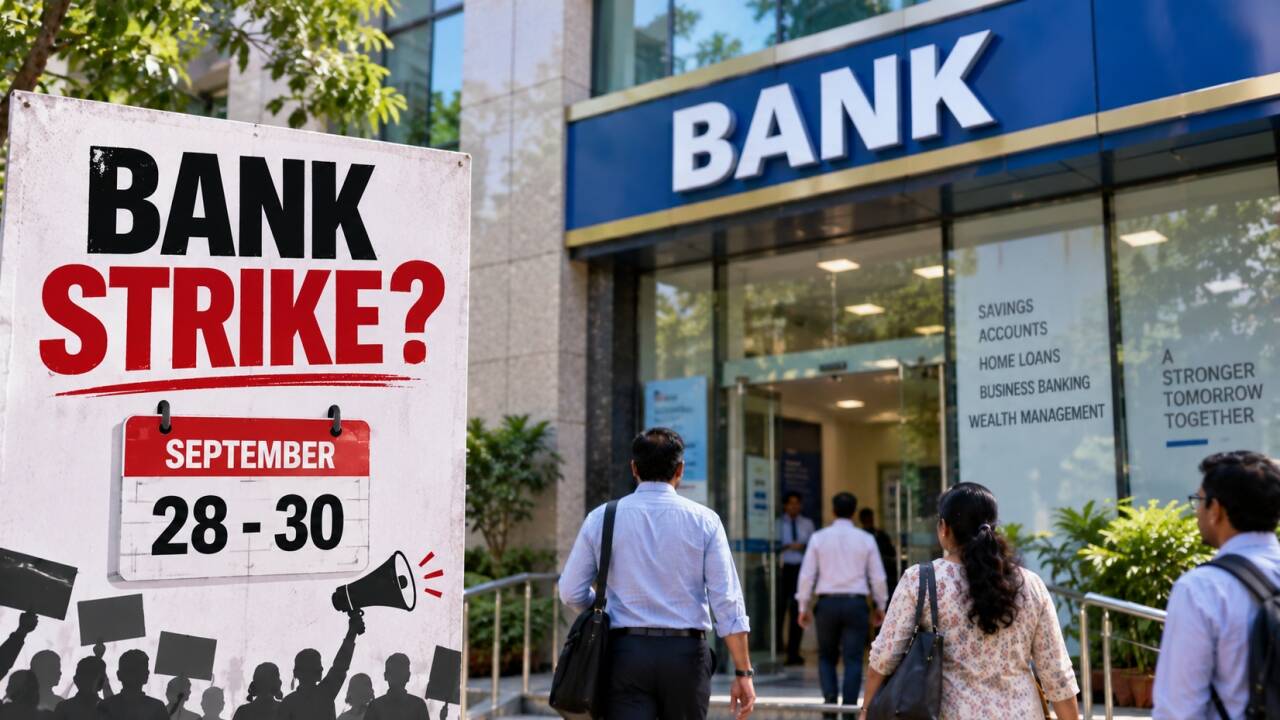
The impending labor unrest stems from prolonged deadlocks between bank employee federations and regulatory bodies over long-standing demands for a five-day work week and revised staffing norms. Major public sector lenders, including the State Bank of India and Union Bank, have issued customer advisories urging digital adoption to mitigate impending operational disruptions. Because the strike coincides with scheduled weekend closures and festive holidays, commercial transactions face an unprecedented logistical bottleneck. At the heart of the standoff is the tension between modernized banking expectations and antiquated personnel management frameworks within state-owned financial institutions. Employees argue that extreme workloads and stagnant staffing levels necessitate structural relief, while financial administrators maintain that reduced operational hours will strain public liquidity and slow down credit transmission. Negotiations have repeatedly collapsed over disagreements concerning compensatory working hours and branch productivity metrics. Unless a last-minute conciliation succeeds, the immediate casualty will be small businesses and retail consumers dependent on physical branch clearing houses for daily liquidity. The stoppage will expose vulnerabilities in automated clearing systems as millions of transactions attempt to bypass closed counters simultaneously. This disruption serves as a stark reminder of the fragile human architecture underlying modern financial economies.
Comments 0