National Commission Delivers Verdict in Decade Long Housing Dispute
The National Consumer Disputes Redressal Commission has ruled against a major Mumbai real estate developer, citing a decade of service deficiency regarding possession delays. This landmark judgment provides immediate legal relief to over 3,000 flat buyers who have been left in limbo for years.
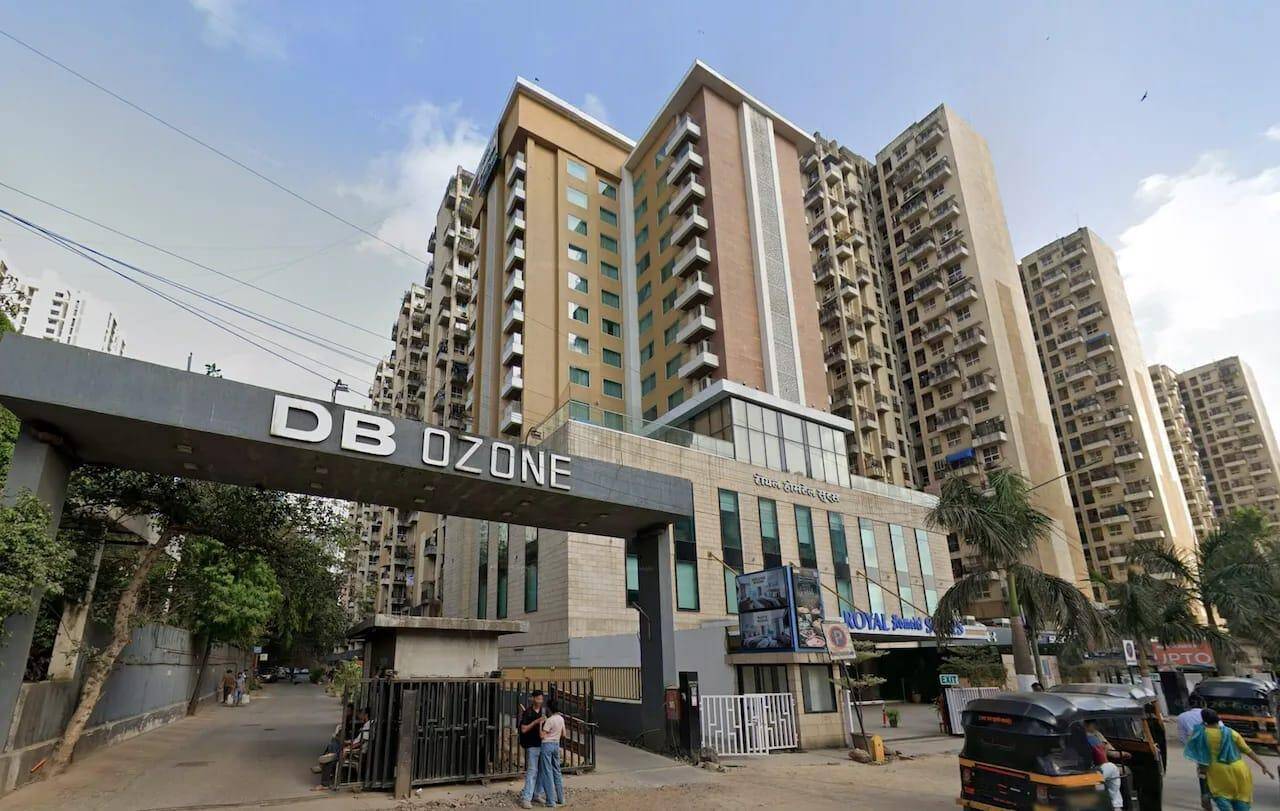
The ruling marks a decisive rupture in the protracted conflict between homebuyers and the real estate sector in Maharashtra. By holding the developer guilty of deficiency in service, the National Commission has validated the grievances of thousands of families who purchased property with the expectation of timely delivery. The decision transforms a private contractual dispute into a matter of public accountability, signaling that institutional delays can no longer be shielded by bureaucratic inertia or legal maneuvering. For the affected buyers, this is not merely a legal victory but a restoration of basic consumer rights that had been eroded over a ten year period.
The underlying tension in this case reflects the broader structural friction within India's urban housing market, where rapid construction often outpaces regulatory oversight and delivery timelines. Developers have frequently relied on the complexity of land acquisition and municipal approvals to justify delays, creating a power imbalance that favors the seller. The Commission's intervention highlights the inadequacy of existing consumer protection mechanisms in addressing the specific vulnerabilities of pre-sale property buyers. It underscores the need for stricter enforcement of RERA mandates and more robust penalties for non-compliance, ensuring that the promise of a home does not become a source of prolonged financial and emotional distress.
The tangible outcome of this judgment extends beyond the immediate compensation or possession orders for the 3,000 affected families. It sets a precedent that could influence similar cases across the country, potentially forcing developers to adhere more strictly to delivery schedules. The downstream impact includes a potential shift in market dynamics, where buyers may demand stronger contractual safeguards and where investors might reassess the risk profile of pre-launch properties. This ruling serves as a corrective measure in a market that has often prioritized capital inflow over consumer welfare, aiming to restore trust in one of India's most significant economic sectors.
Comments 0