National Education Day 2026: From IITs To UGC, Institutions That Reflect Azad's Education Vision
National Education Day 2026 commemorates the legacy of Maulana Abul Kalam Azad, who laid the foundation for modern higher learning in India. His vision is reflected in institutions such as IIT Kharagpur, the University Grants Commission and several cultural academies that continue to shape the country's academic and artistic .
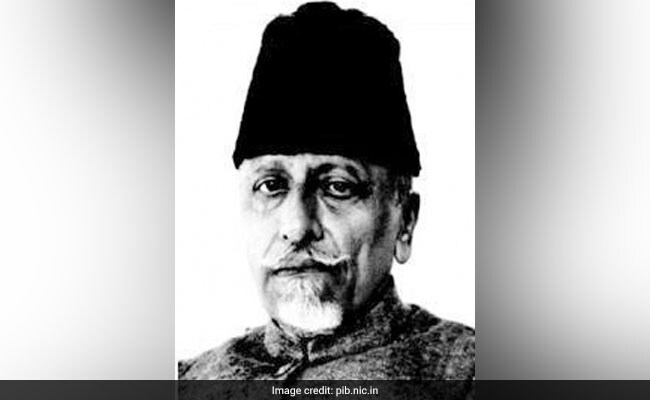
National Education Day, observed each year on November 11, marks the birthday of Maulana Abul Kalam Azad, India's first education minister after independence. Azad believed that education should be the engine of social progress and national unity, and he worked tirelessly to create a system that would serve a diverse population. The day is marked by speeches, seminars and school programs that highlight the historical milestones of Indian education and encourage students to appreciate the values of knowledge and cultural heritage.
Among the most enduring symbols of Azad's vision are the Indian Institutes of Technology, beginning with IIT Kharagpur, which was established in 1951 under his guidance. The institute set a benchmark for technical education, producing engineers who have contributed to both domestic infrastructure and global technology firms. The University Grants Commission, created to coordinate and maintain standards across universities, also traces its roots to Azad's policy framework, ensuring that higher education remains accessible and quality driven across the nation. Cultural academies founded during his tenure continue to promote Indian arts, literature and performing traditions, linking modern curricula with the country's rich artistic past.
For readers in India, the story matters because the institutions highlighted are directly linked to employment opportunities, research funding and cultural preservation that affect everyday life. Graduates from IITs often secure high‑paying jobs that support families and drive economic growth, while the UGC's policies influence the affordability and relevance of university courses for millions of students. Cultural academies help keep regional languages and art forms alive, offering platforms for artists and educators. Understanding how Azad's early decisions still shape these outcomes provides insight into current debates on education reform and national development.
Comments 0