National Education Day 2026: Why India celebrates November 11, Maulana Abul Kalam Azad's contribution to education
India observes National Education Day on November 11 to honour Maulana Abul Kalam Azad, the country’s first education minister. The day highlights his lasting influence on the nation’s schooling system.
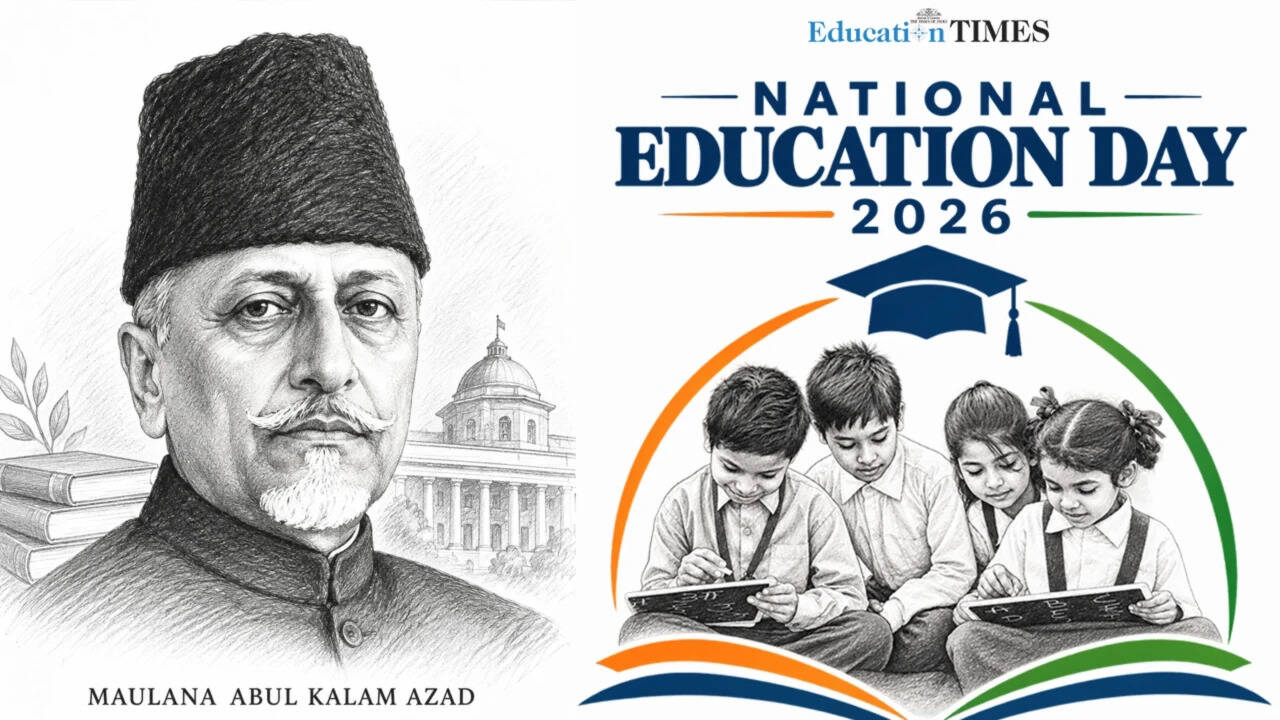
National Education Day is observed across India on November 11 each year, marking the birth anniversary of Maulana Abul Kalam Azad, the first education minister of independent India. The day was officially declared a national observance by the Ministry of Education in 2008, recognizing Azad’s vision of an inclusive and modern learning system. Schools, colleges and government agencies hold special programmes, speeches and cultural performances to reflect on the role of education in nation‑building. The observance serves as a reminder of the country’s commitment to literacy and knowledge.
Maulana Azad was a scholar, freedom fighter and prolific writer who believed that education should be accessible to all sections of society, regardless of caste, creed or gender. He championed the establishment of the University of Calcutta, the University of Allahabad and several other institutions that later became pillars of higher learning. Azad also advocated for the use of mother‑tongue instruction in early schooling, arguing that children learn best when taught in a language they understand. His policies laid the groundwork for the expansion of primary schools and the promotion of scientific research in the newly independent nation.
Today, educators use National Education Day to discuss challenges such as digital divide, teacher training and curriculum relevance, linking them to Azad’s original ideals. Many states organize essay competitions and seminars for students, encouraging them to propose solutions for improving the education system. For Indian readers, the day underscores the ongoing need to invest in quality schooling and to honour the legacy of a leader who saw education as the key to social progress and economic development.
Comments 0