National Tiger Conservation Authority review meeting had raised concerns over ‘hurried’ release of injured Buxa tigress in the wild, report says she had hurt claws of both forepaws
A review meeting of the National Tiger Conservation Authority flagged the hurried release of an injured tigress from Buxa Tiger Reserve back into the wild. Officials noted that the animal had sustained injuries to the claws of both forepaws, raising questions about its readiness for freedom.
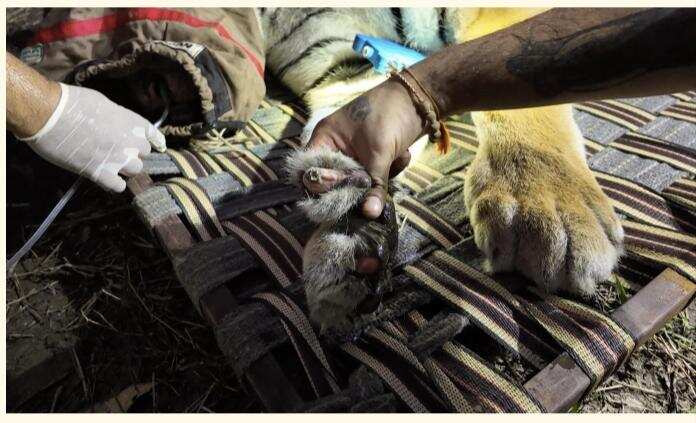
The Buxa Tiger Reserve, located in the foothills of the Eastern Himalayas, is a critical habitat for the endangered Bengal tiger and several other wildlife species. In recent years the reserve has faced challenges such as poaching, habitat fragmentation, and occasional human‑wildlife conflict. The National Tiger Conservation Authority (NTCA) conducts periodic reviews of management practices, including the handling of injured animals that are rescued within the protected area. The authority’s latest meeting focused on a tigress that had been treated for injuries sustained during a territorial dispute.
According to the NTCA report, the tigress suffered damage to the claws of both forepaws, impairing her ability to hunt effectively. After a period of veterinary care at the reserve’s wildlife hospital, officials decided to release her back into the forest, citing the animal’s apparent recovery. However, the review meeting raised concerns that the decision may have been made too quickly, without sufficient monitoring of her long‑term health and hunting proficiency. Conservationists argued that a gradual re‑introduction, possibly in a controlled enclosure, would have reduced the risk of the animal’s failure to survive.
The NTCA has asked the reserve management to conduct a post‑release assessment within the next six months, focusing on the tigress’s hunting success and any signs of injury relapse. The authority also recommended that future releases of injured big cats follow a standardized protocol that includes extended observation periods and, where necessary, supplemental feeding. Wildlife experts say the case highlights the delicate balance between rehabilitating individual animals and ensuring the overall health of the tiger population in the reserve.
Comments 0