NATO's KFOR Dilemma: The Strategic Cost of Withdrawal
Defense analysts argue that removing US troops from NATO's KFOR mission in Kosovo would offer minimal financial savings while granting Russia a significant strategic advantage. The presence of US forces remains a key deterrent against regional instability and Russian influence.
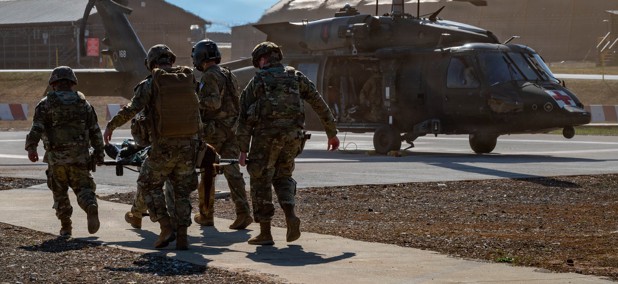
The concrete rupture in NATO strategy is the debate over the continued presence of US troops in Kosovo. The KFOR mission, established to maintain peace in the region, has been a cornerstone of Western security in the Balkans. Recent discussions about withdrawal have raised alarms among defense experts, who warn that such a move would be a strategic error. The immediate shockwave is a renewed focus on the geopolitical implications of military presence in a volatile region.
The underlying tension stems from the shifting priorities of US foreign policy and the desire to reduce overseas military commitments. However, the institutional friction between cost-cutting measures and strategic necessity is evident. Removing troops would save little in terms of budget but would signal a retreat from the region, emboldening adversaries and undermining NATO's credibility. This friction is compounded by the complex political dynamics within Kosovo and its neighbors.
The downstream consequences of a withdrawal would be severe. Russia, which has long sought to expand its influence in the Balkans, would gain a cheap strategic win, potentially leading to increased instability and conflict. The region, already fragile, could see a resurgence of ethnic tensions and a power vacuum filled by non-Western actors. This would not only affect Kosovo but also have ripple effects across Europe, challenging NATO's unity and effectiveness.
Comments 0