Navajo Voters Overcome Flooding to Cast Ballots
Residents of the Navajo Reservation have made extraordinary efforts to reach polling places after four weeks of widespread flooding washed out roads. Voting day has become a symbol of resilience and recovery for a community grappling with severe environmental and infrastructural challenges.
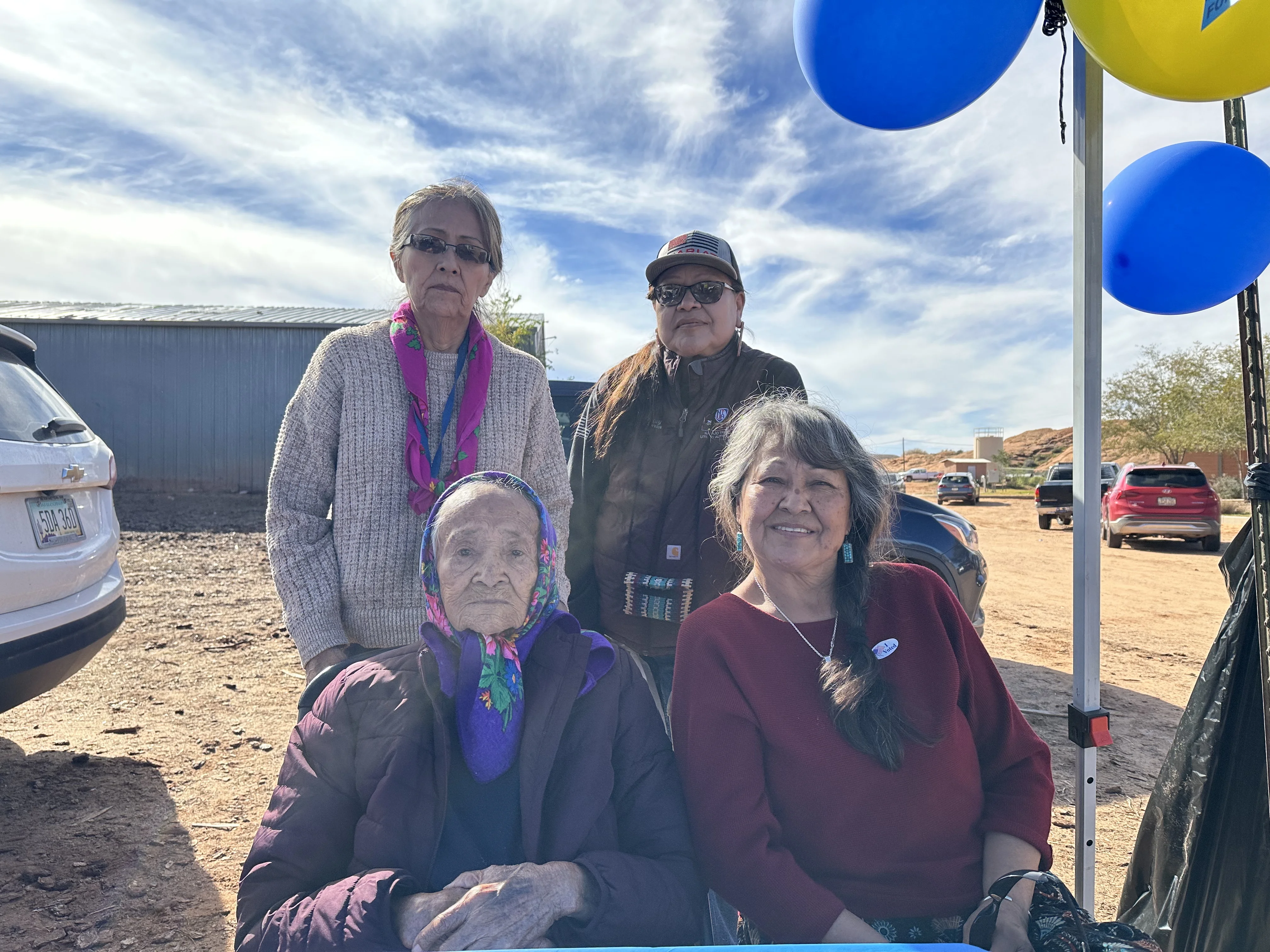
In the aftermath of four weeks of devastating flooding, Navajo voters have resorted to hopping on tractors and making other extraordinary efforts to reach their polling places. The widespread flooding has washed out roads and forced thousands to flee their homes, yet the act of voting has emerged as a central part of the community's recovery process. This concrete rupture in normal life highlights the profound impact of climate change on indigenous communities and their determination to maintain their democratic rights.
The underlying tension is between the environmental vulnerability of the Navajo Reservation and the lack of adequate infrastructure to support its residents. The friction between the federal government's response to the disaster and the local community's needs is evident in the challenges faced by voters. This event underscores the broader issue of climate justice and the disproportionate impact of environmental disasters on marginalized communities.
The downstream consequences of this event include a renewed focus on climate resilience and infrastructure development in the region. The tangible outcome is a strengthened sense of community and civic engagement, which could lead to increased political representation and advocacy for environmental protections. For the Navajo Nation, this experience serves as a powerful reminder of the importance of collective action and the need for systemic changes to address the root causes of such disasters.
Comments 0