Navi Mumbai Triumph Redraws the Contours of Indian Women Cricket
A historic victory in the ODI World Cup final at Navi Mumbai transformed the of Indian women cricket through standout performances by Shafali Verma and Deepti Sharma. The triumph secures long-overdue institutional recognition and commercial parity for the sport.
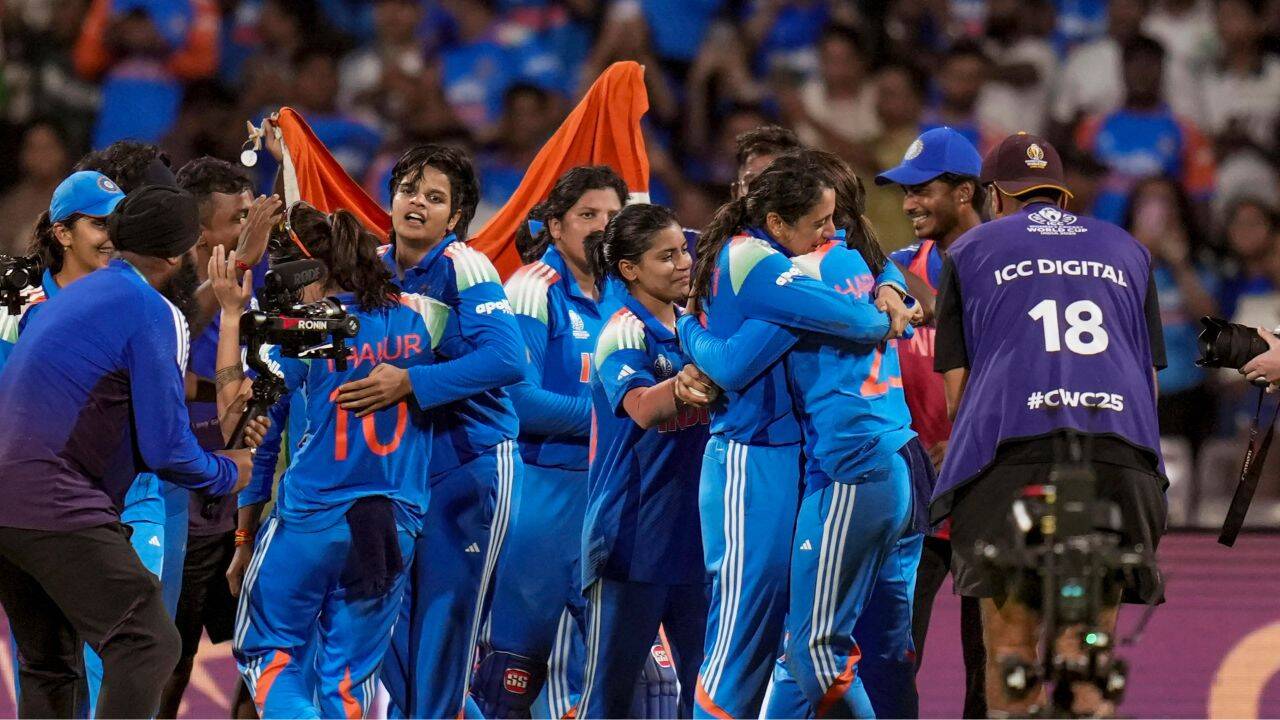
The floodlit arena in Navi Mumbai witnessed a defining athletic achievement when the national women cricket team captured the One Day International World Cup title. Stellar individual displays, including aggressive batting heroics and a decisive five-wicket haul, dismantled formidable opposition in front of a capacity crowd. This victory represents the culmination of decades of athletic perseverance against systemic underfunding and lack of structural broadcast visibility.
Institutional friction within sports governing bodies has historically marginalized women athletics, allocating disproportionate resources and infrastructural support to the men division. Despite mounting talent at the grassroots level, players faced persistent hurdles regarding professional contracts, training facilities, and equitable match fees. The championship victory serves as an undeniable catalyst, dismantling administrative hesitation and forcing sports administrators to accelerate parity measures.
The immediate aftermath of the triumph involves a massive influx of corporate sponsorships, lucrative broadcast valuations, and heightened grassroots participation among young girls across the country. Commercial brands are rapidly pivoting their marketing expenditures toward female sporting icons, altering the financial ecosystem of domestic athletics. Over the next year, this paradigm shift will translate into expanded domestic leagues and professionalized academies, securing a sustainable foundation for the sport.
Comments 0